UPDATE: Ceasefire Holds Amidst Intense Diplomatic Maneuvering
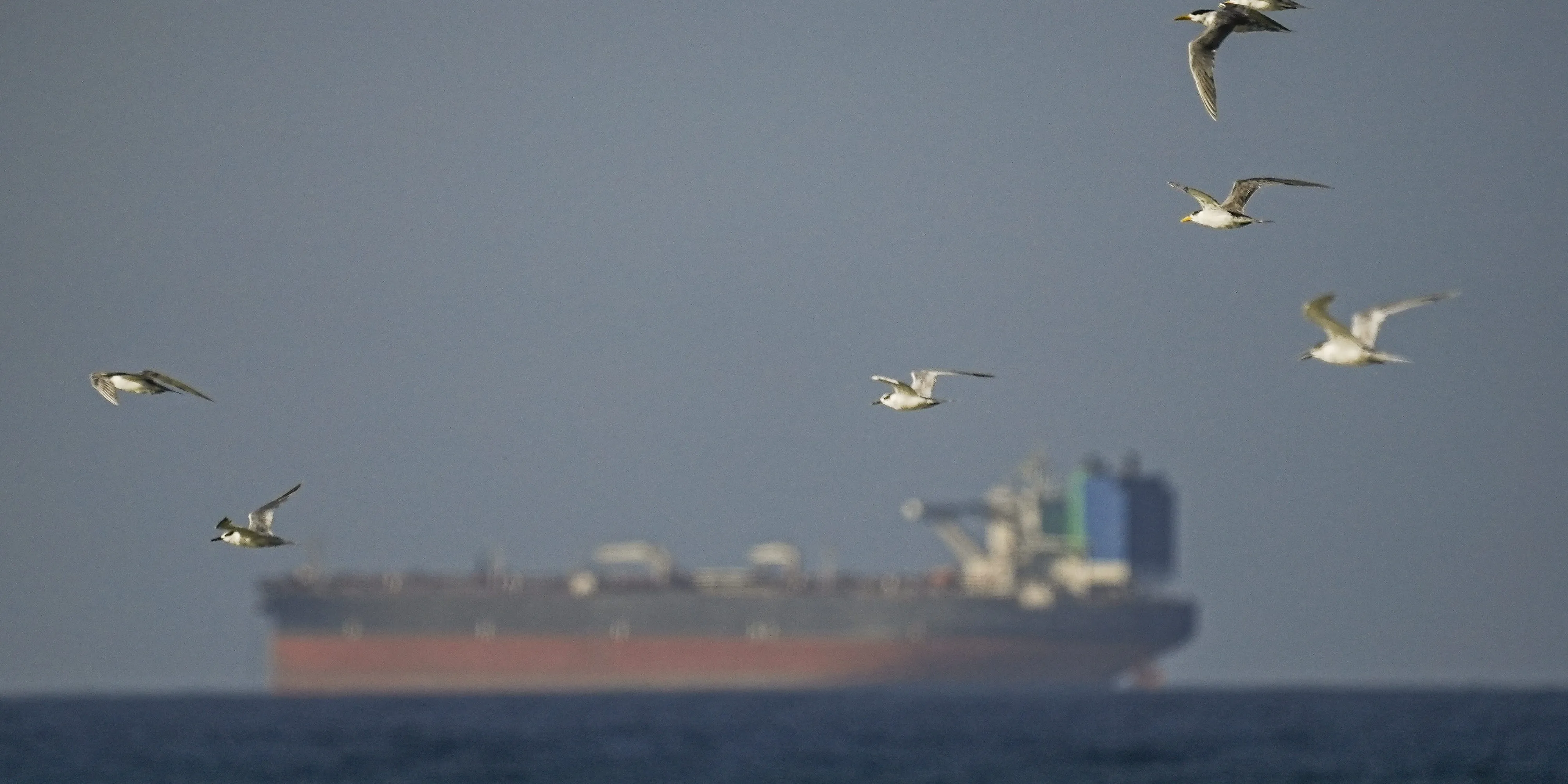
A two-week ceasefire between the United States and Iran has been reached, suspending President Donald Trump's threat of widespread destruction. The agreement, brokered with Pakistan's assistance, was finalized hours before Trump's imposed deadline for Iran to reopen the Strait of Hormuz. The U.S. and Israel have agreed to halt bombing operations for the duration of the ceasefire, contingent on Iran facilitating safe passage through the vital waterway.
UPDATE: International Law and Civilian Impact
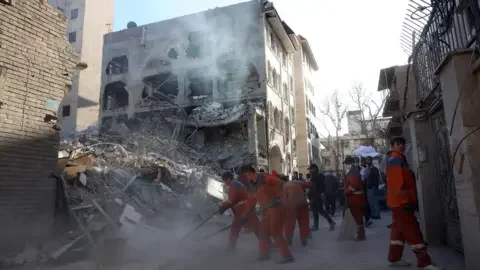
Trump's aggressive posture, including threats to target "every" bridge and power plant in Iran, has drawn sharp criticism. Experts in military law and United Nations officials have warned that such actions could constitute violations of international humanitarian law, potentially amounting to war crimes due to the indiscriminate harm to civilian populations. Trump has dismissed these concerns, asserting that Iran's leadership are "animals" and citing unsubstantiated claims of civilian support for U.S. strikes.
JUST IN: Iranian Voices: Fear and Fatigue
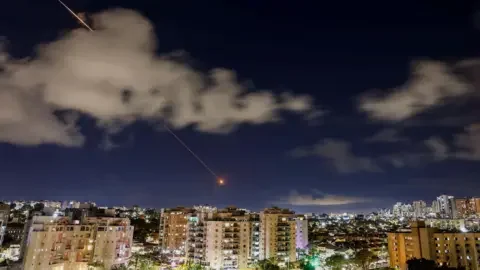
On the ground in Iran, civilians report feelings of fear and exhaustion. They express concern that the destruction of the nation's infrastructure will disproportionately affect ordinary citizens, leaving them to deal with the aftermath of any conflict. Some Iranians have been urged by authorities to form human chains near potential targets.
FLASH: Shifting Demands and Unclear Aims

Trump's stated objectives for the conflict have appeared inconsistent. While initially downplaying the strategic importance of the Strait of Hormuz, its reopening became a central demand in his ultimatum. The U.S. military confirmed the rescue of a pilot after an F-15 jet was shot down over Iran, a development occurring amidst escalating tensions. Trump also indicated a desire to seize Iranian oil.
FLASH: Background and Precedent

The current crisis follows intensified U.S. and Israeli strikes on targets including the Kharg Island oil terminal and railway bridges. Trump has invoked the 2022 "Woman, Life, Freedom" protests, suggesting that the Iranian population, having endured severe repression, would welcome regime change even at a high cost. These statements have been met with outrage from Democratic lawmakers, who characterize Trump's threats as "a threat to commit a war crime." Concerns have also been raised about the concentration of war-making authority, with some arguing Congress has ceded its oversight role.