The Government of India has issued a directive to cease granting new environmental clearances for hydrofluorocarbon (HFC) production projects after December 31, 2027. This move aligns with the nation's commitment to international agreements aimed at gradually reducing the production of these planet-warming gases.
Key Directives and Commitments
An official memorandum, disseminated on April 1st to state and central environmental impact assessment authorities, specifies that any new applications for HFC production facilities must include an undertaking. This undertaking needs to guarantee that the plant will be fully operational and commencing production by the end of 2027. This establishes a firm cutoff for the expansion of HFC production capacity within India, pushing towards a phasedown in line with global climate objectives.
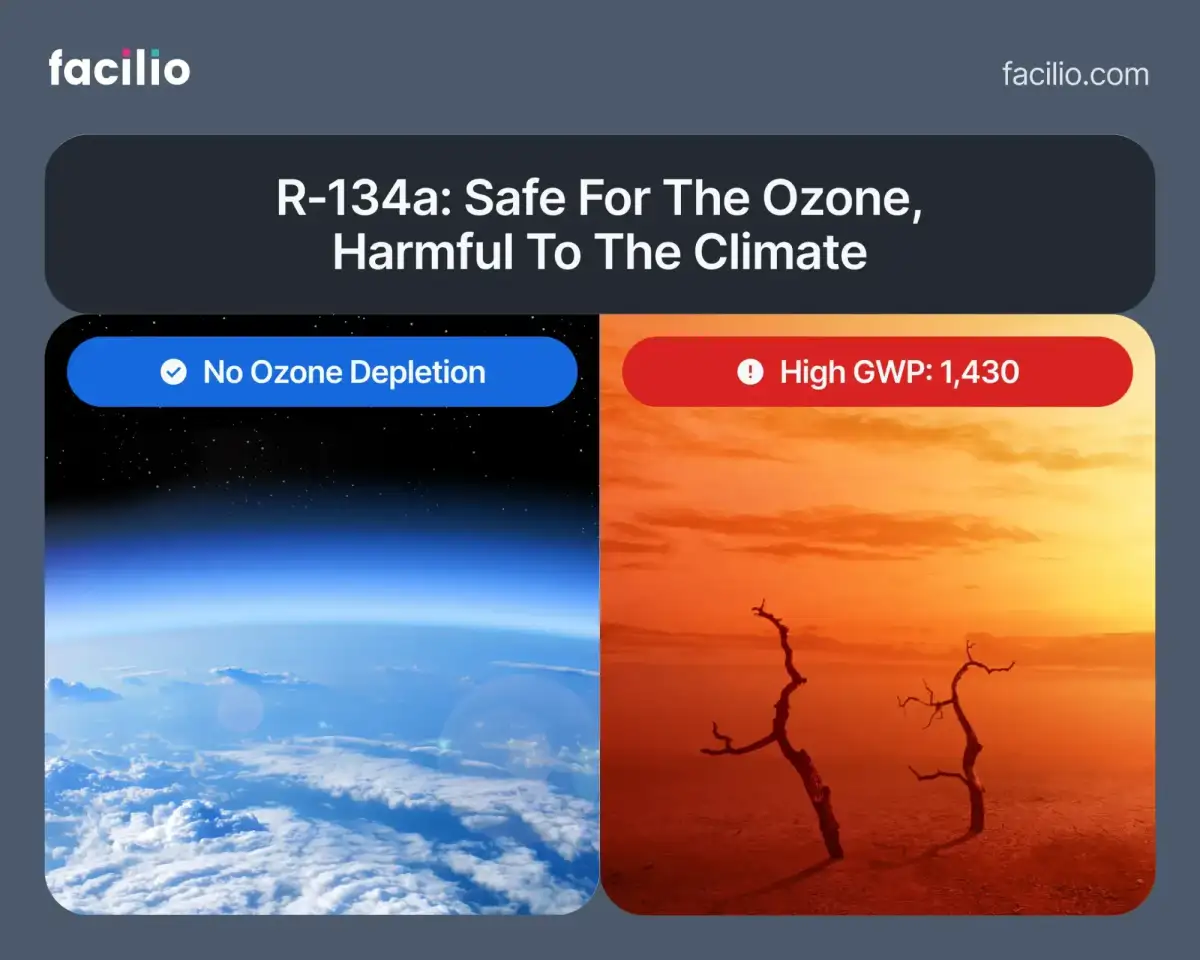
The primary HFCs currently manufactured in India include HFC-32, HFC-134a, and HFC-125. These substances are predominantly used in refrigeration and air conditioning systems, as well as fire extinguishers. While feedstock uses of HFCs are exempted under international protocols, the controls apply to regulated applications.

India's adherence to this directive stems from its participation in the 'Montreal Protocol of 1989', a landmark agreement designed to protect the ozone layer by phasing out substances like chlorofluorocarbons (CFCs). The current measures extend this environmental stewardship to HFCs, which, while not depleting ozone, are potent greenhouse gases.
Read More: Hyderabad Taj Banjara Lake Faces Pollution and Encroachment Threat
Global Context and US Regulatory Actions
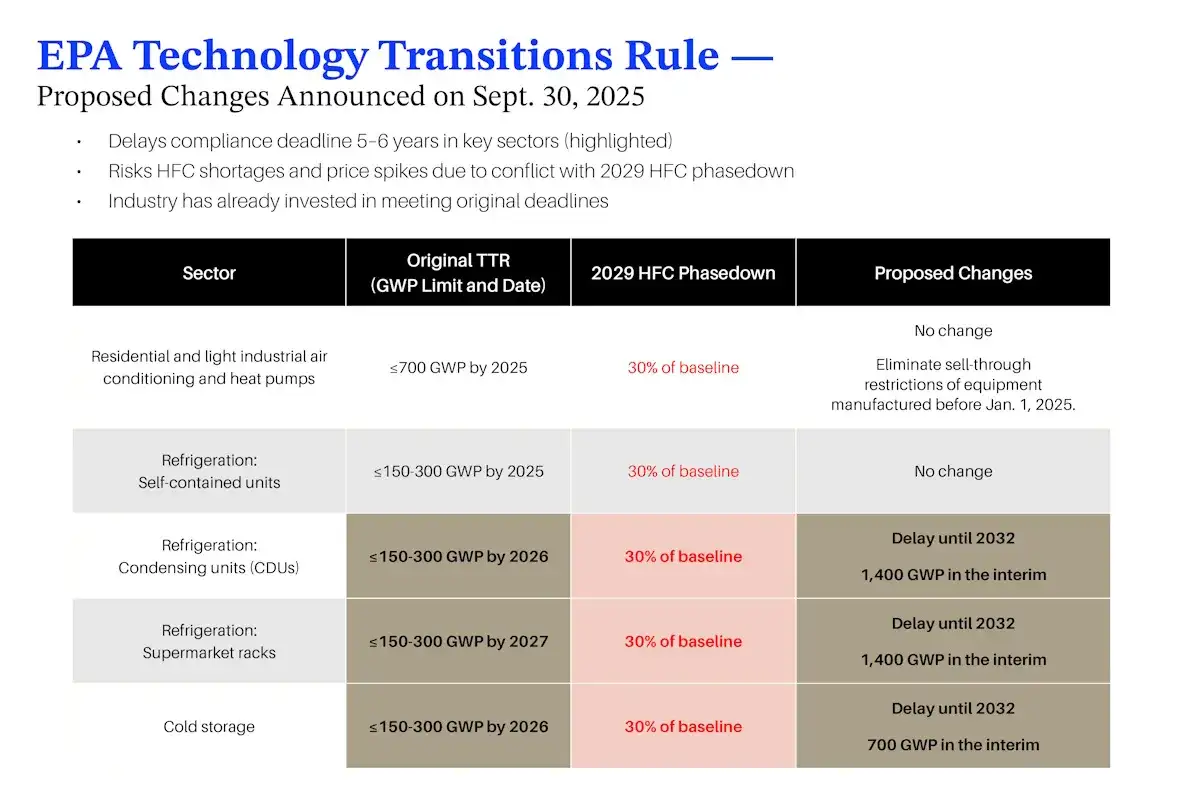
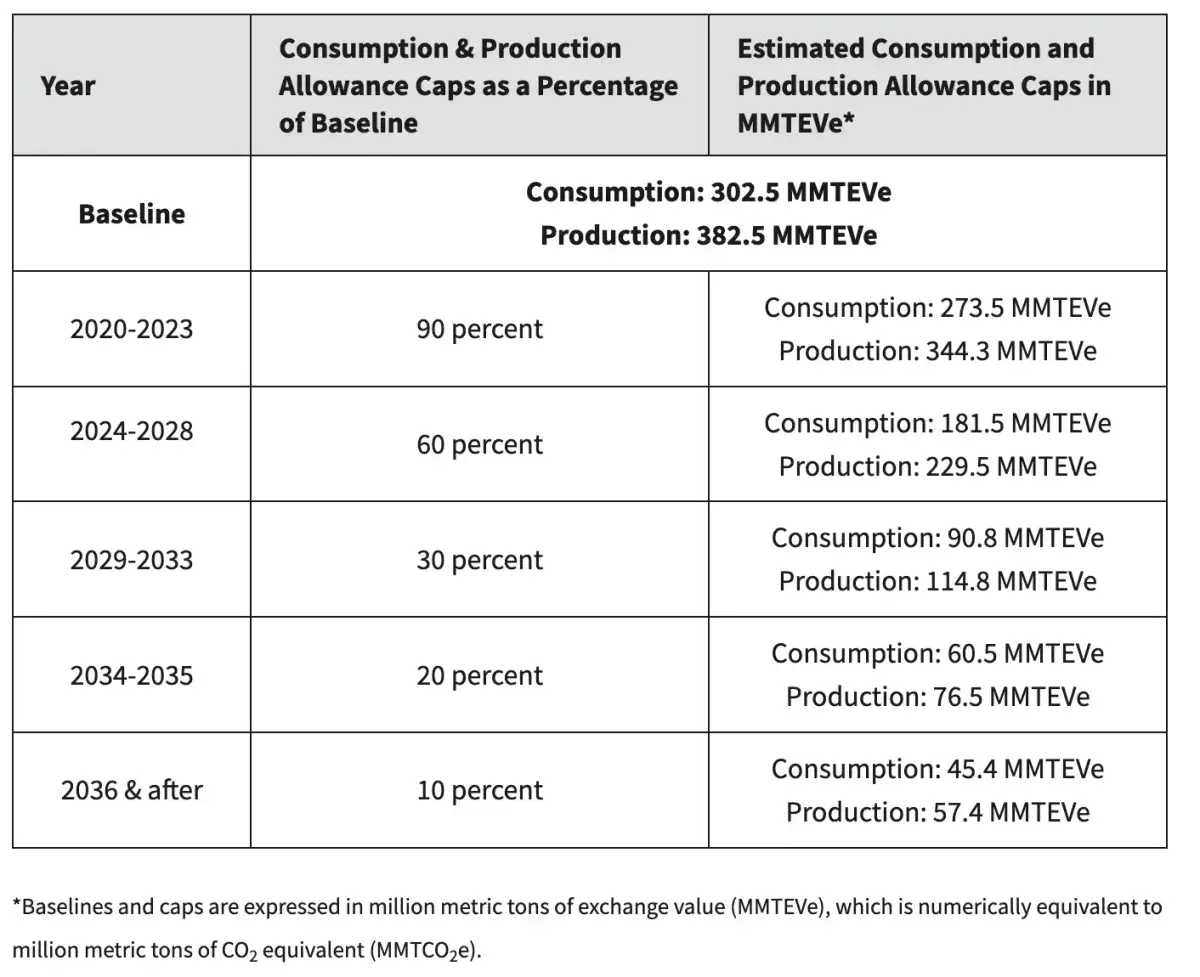
Globally, similar efforts are underway. The United States, through its 'American Innovation and Manufacturing (AIM) Act', is implementing a phasedown of HFCs consistent with the 'Kigali Amendment' to the Montreal Protocol. Recent US regulatory actions, noted in late 2023 and throughout 2024 and 2025, have focused on restricting the use of certain HFCs in various sectors. These include proposed changes to refrigerant deadlines and raising interim global warming potential (GWP) thresholds for new equipment in sectors like cold storage warehouses and retail food refrigeration.
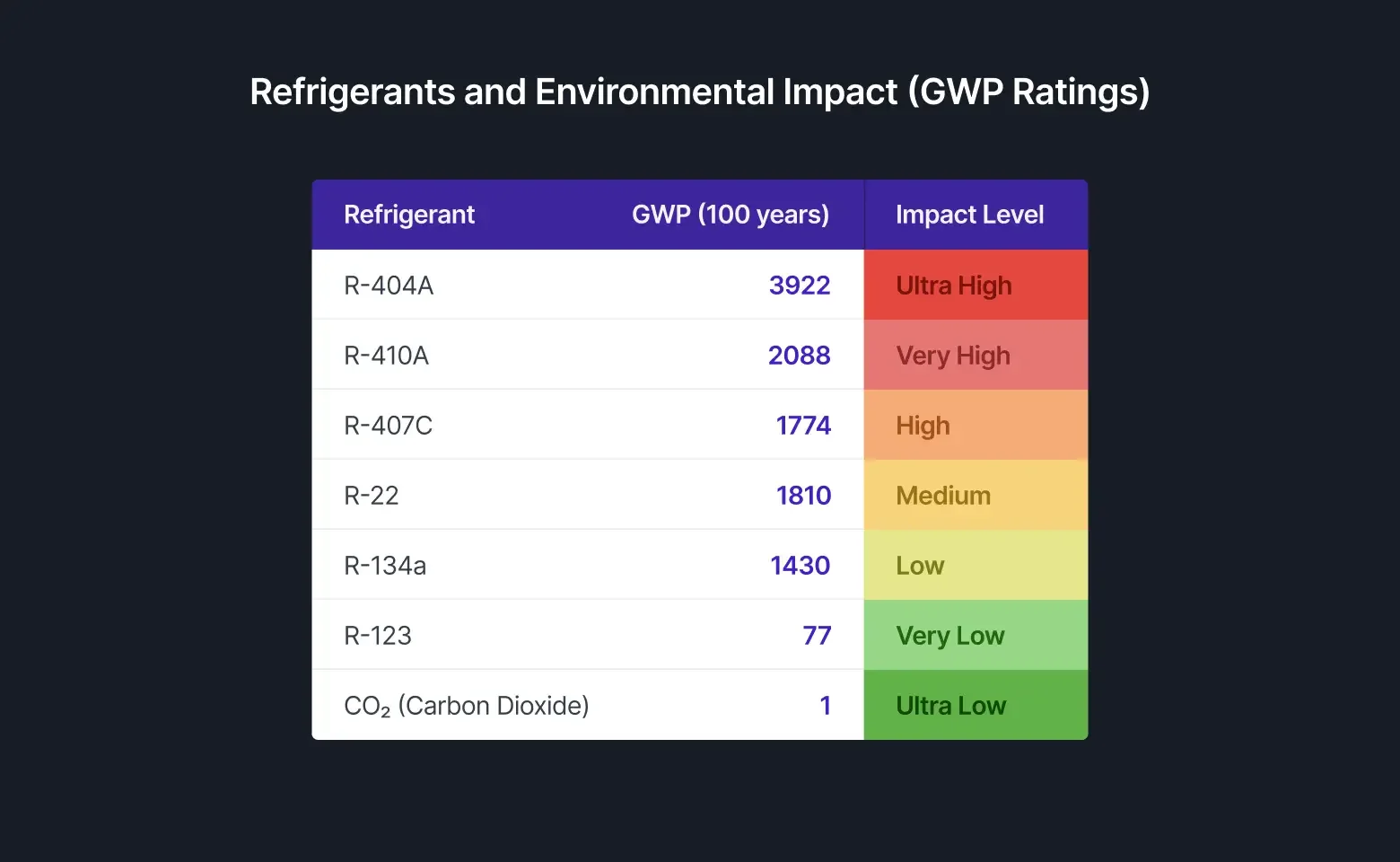
The US Environmental Protection Agency (EPA) has introduced rules for emissions reduction and reclamation, mandating automatic leak detection systems on large commercial and industrial refrigeration systems (1,500 pounds or more). These regulations aim to curb emissions through improved monitoring and faster repair of leaks, particularly at the end of a refrigerant's lifecycle. The EPA's actions also involve setting stricter thresholds for refrigerant quantities and addressing reclaimed refrigerants, ensuring they meet new standards for virgin refrigerant content.
Read More: Modi: Bengal Elections are 'Maha Jungleraj' vs. BJP 'Trust'
India's HFC Phase-Down Roadmap
India's approach outlines a 'freeze year' for HFC production and consumption based on an average of 2024-2026 figures, with a baseline formula that incorporates HCFC-22 averages. Subsequent reduction milestones are planned, culminating in a final major reduction target. This roadmap signifies a structured transition away from high-GWP HFCs.