The potential for a $2,000 tariff rebate for Americans, a promise linked to substantial tariff revenue, is now uncertain. This follows a significant Supreme Court ruling that undercut a primary legal basis for Donald Trump's tariff program. Treasury Secretary Scott Bessent has expressed doubt about the American public receiving these promised payments, suggesting the funds may not materialize as anticipated.
The core issue revolves around the Supreme Court's decision to declare many of Trump's tariffs illegal, finding that the authority to impose such levies during peacetime rests with Congress, not the executive branch. This ruling has implications for trade policy, the economy, and individual finances, and has elicited strong reactions from Trump, who has vowed to pursue new tariff measures.
Supreme Court Rebuffs Trump's Tariff Authority
On Friday, the U.S. Supreme Court delivered a significant ruling, stating that Donald Trump had illegally used executive power to impose tariffs.
Read More: Trump Announces 10% Global Tariffs After Supreme Court Ruling on February 20, 2026
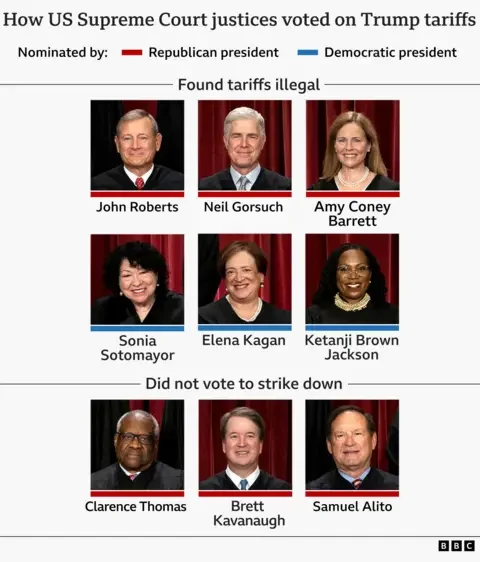
The Court ruled 6-3 against Trump's use of the International Emergency Economic Powers Act (IEEPA) for tariffs.
The majority opinion indicated that the authority to enact tariffs during peacetime belongs to Congress.
This decision is seen as a major rebuke of Trump's aggressive trade agenda, which had collected tens of billions of dollars from imported goods.
It is the first time the Supreme Court has overruled one of Trump's second-term policies.
Treasury Secretary Casts Doubt on Rebate Payments
Following the Supreme Court's decision, Treasury Secretary Scott Bessent publicly questioned the feasibility of the promised $2,000 tariff rebate.

Bessent stated, "I got a feeling the American people won't see it," regarding the suggested rebate payment.
His remarks came as questions arose about whether a tariff-funded rebate could transition from a talking point to an implemented policy.
The Supreme Court ruling undercut the specific tariff program Trump had identified as a potential funding source for these rebates.
Trump's Response and New Tariff Plans
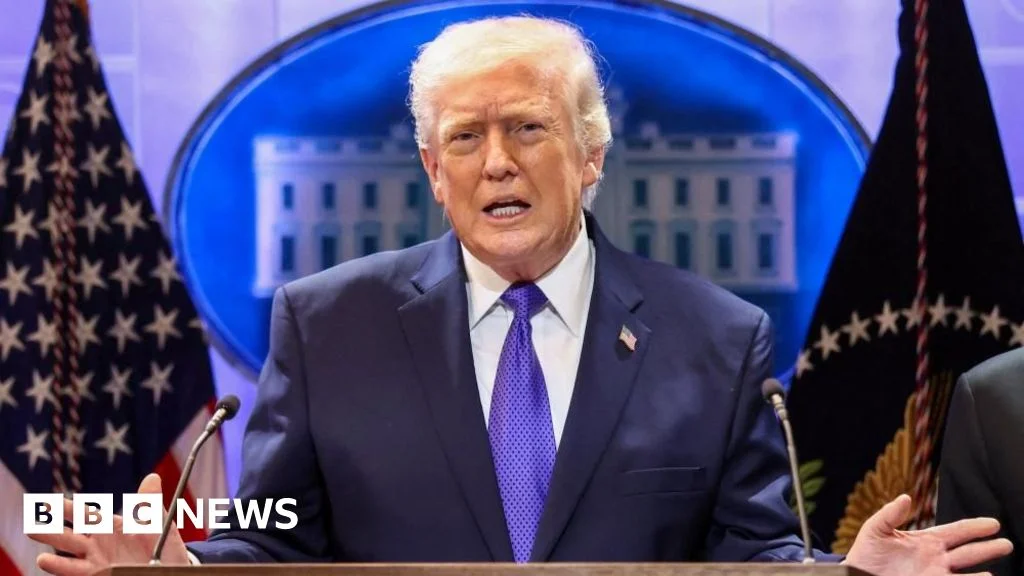
In the wake of the ruling, Donald Trump reacted strongly, criticizing the Supreme Court and announcing intentions to impose new tariffs.
Trump described the justices as "fools and lapdogs" and the decision as "deeply disappointing."
He indicated plans to pursue other legal pathways for imposing tariffs, highlighting Justice Kavanaugh's dissent which suggested alternative legal avenues.
Trump announced the signing of an order for a new 10% global tariff, aiming to replace revenue lost from the struck-down tariffs.
He asserted that the "tariff money is so substantial" and that while the White House would need to "do more work," the tariffs would not stop.
Reports suggest that Trump's press briefings have been managed to include questions from friendly, pro-Trump media outlets.
Potential for Tariff Refund Claims
The Supreme Court's ruling opens the door for businesses to seek refunds on tariffs paid under the now-deemed illegal programs.

The Court of International Trade typically handles refund processes.
Trade attorneys suggest that importers may face "many hurdles" in recovering billions in tariff costs.
There is uncertainty about how quickly refunds can be processed, with insurers potentially scrutinizing claims.
The total amount eligible for refunds could reach hundreds of billions of dollars, but delays or denials are possible.
Some businesses, however, expressed relief following the ruling against Trump's tariffs.
Conflicting Views on Future Tariffs and Authority
While the Supreme Court ruled against Trump's use of IEEPA tariffs, different interpretations and strategies are emerging.
Congressional Authority vs. Executive Action
The Supreme Court majority opinion asserted that tariff imposition during peacetime is Congress's prerogative.
However, Trump stated he felt "emboldened to continue his trade war" because the court only curbed his powers under IEEPA.
Several U.S. statutes would allow Trump to reimpose tariffs, suggesting that the court's ruling does not end the possibility of future levies.
Economic Impact and Rebate Prospects
Treasury Secretary Bessent's doubt suggests a pragmatic view that the promised rebates may not materialize, regardless of Trump's intent.
Trump's announcement of a new global tariff indicates an attempt to create a new funding stream, but its legality and effectiveness remain to be seen.
The ability of businesses to claim refunds adds another layer of complexity to the financial landscape shaped by these tariff decisions.
Expert Analysis on the Ruling's Scope
Legal and trade experts have weighed in on the implications of the Supreme Court's decision.

"The Supreme Court has struck down Donald Trump’s flagship policy of imposing tariffs on foreign imports in his bid to revitalise American manufacturing." – The Guardian
Senator Patty Murray welcomed the ruling, stating the Supreme Court ruled 6-3 that Donald Trump could not use IEEPA to impose tariffs without congressional approval.
Trade attorneys warn that tariff refunds could be denied or delayed, depending on how U.S. courts and customs agencies proceed.
Conclusion and Next Steps
The Supreme Court's decision has significantly impacted Donald Trump's tariff policies, casting a pall over his promised $2,000 rebate to Americans. While Trump remains defiant and plans to implement new tariffs, the legal framework established by the court appears to favor congressional authority in trade matters. Treasury Secretary Bessent's cautious remarks suggest that the financial benefits of the prior tariff program, including the rebate, are unlikely to reach the public.
Read More: Trump Adds 10% Global Tariffs After Supreme Court Ruling on Friday
The immediate aftermath involves complex legal and administrative processes for businesses seeking refunds on past tariffs. Simultaneously, the Trump administration's ability to enact new tariffs under different statutes will be a key area to monitor. The interplay between executive action, congressional authority, and the courts will continue to shape U.S. trade policy and its economic consequences.
The legality of Trump's past tariffs under IEEPA has been definitively rejected by the Supreme Court.
The viability of the $2,000 tariff rebate, tied to these specific tariffs, is now in serious doubt due to Treasury Secretary Bessent's statements.
Trump has announced a new 10% global tariff, signaling an intent to pursue alternative legal avenues for imposing levies.
Businesses that paid tariffs deemed illegal may pursue refunds through the Court of International Trade, a process likely to be lengthy and complex.
The ruling reasserts congressional authority over trade policy, potentially leading to future legislative actions concerning tariffs.
Sources
IBTimes UK: https://www.ibtimes.co.uk/treasury-secretary-doubts-trump-tariff-rebate-1780617 - Published shortly before other articles, focusing on Treasury Secretary Bessent's skepticism.
BBC News: https://www.bbc.com/news/live/c0l9r67drg7t - Live coverage noting the broad impact of the ruling and Trump's response.
The Guardian (Article 3): https://www.theguardian.com/us-news/live/2026/feb/20/us-iran-nuclear-deal-trump-agreement-strikes-latest-news-live-updates?page=with:block-6998ad558f08586d50934bac - Part of a live blog, mentioning Trump's press conference and focus on friendly reporters.
The Guardian (Article 4): https://www.theguardian.com/us-news/2026/feb/20/trump-supreme-court-tariffs-ruling - Details the Supreme Court's decision and its impact on Trump's economic agenda.
CNBC: https://www.cnbc.com/2026/02/20/supreme-court-trump-tariff-decision-illegal-refunds.html - Explains the process and potential difficulties for businesses seeking tariff refunds.
Business Insider: https://www.businessinsider.com/trump-reaction-supreme-court-scotus-tariff-ruling-2026-2 - Focuses on Trump's strong reaction to the Supreme Court's ruling.
The Guardian (Article 7): https://www.theguardian.com/us-news/2026/feb/20/what-will-happen-to-trump-tariffs-after-supreme-court-verdict - Discusses the immediate aftermath of the verdict and Trump's stance on continuing his trade war.
CBS News: https://www.cbsnews.com/news/supreme-court-tariff-decision-trump-ieepa-businesses-react/ - Reports on business reactions and potential relief from the ruling, while noting complexities.
USA Today: https://www.usatoday.com/story/news/nation/2026/02/20/donald-trump-tariff-ruling-2000-checks/88778935007/ - Directly addresses the question of the $2,000 rebate checks in light of the Supreme Court decision.
Newsweek: https://www.newsweek.com/supreme-court-tariffs-ruling-decision-trump-live-updates-11555857 - Provides live updates on the ruling, including reactions from Trump and Senator Murray, and Trump's plans for new tariffs.
NBC News: https://www.nbcnews.com/politics/supreme-court/live-blog/-trump-tariffs-ruling-supreme-court-live-updates-rcna252655 - Covers the court's opinion on executive authority and notes that Trump could reimpose tariffs using other statutes.