President Responds to Judicial Decision with Executive Action
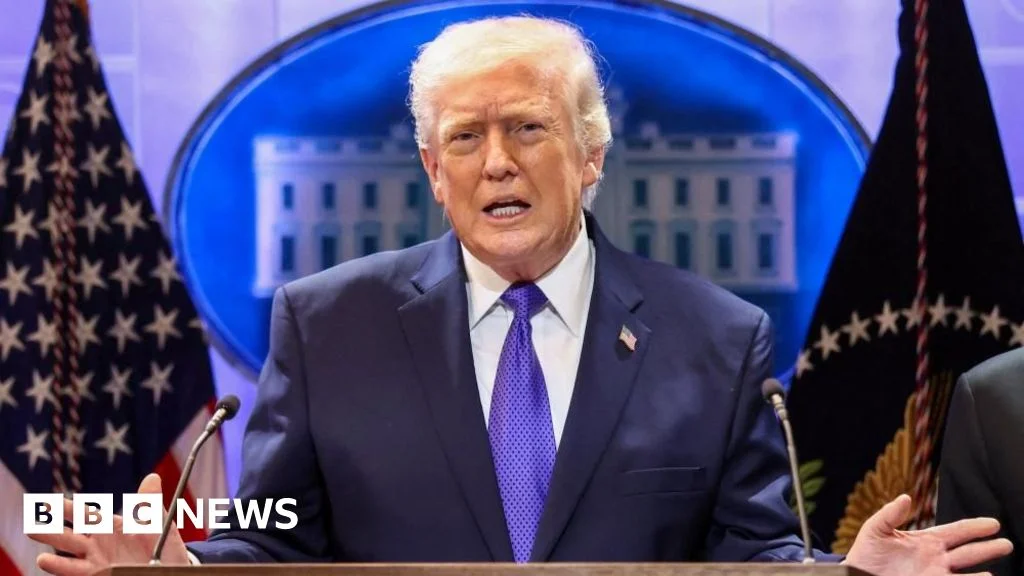
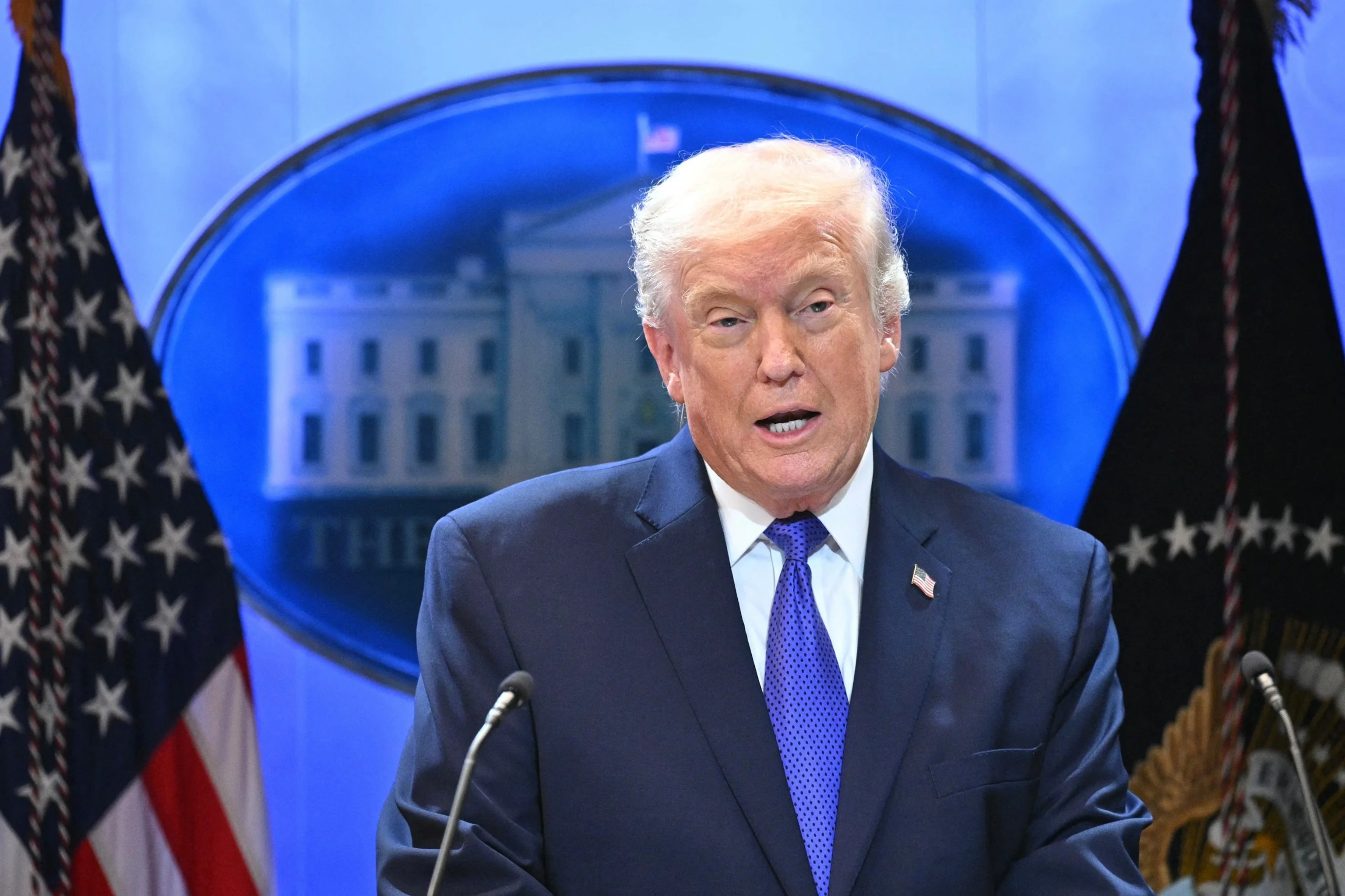
President Donald Trump announced Friday that he has signed an executive order implementing a new 10% tariff on most foreign imports. This action follows a Supreme Court decision earlier that day which struck down previously imposed tariffs. The court ruled that the administration had overstepped its authority by using the International Emergency Economic Powers Act (IEEPA) to justify these levies. The president expressed strong disagreement with the ruling, calling it "deeply disappointing" and indicating that he would seek alternative legal avenues to enact tariffs.

Background: Tariffs and Legal Challenges
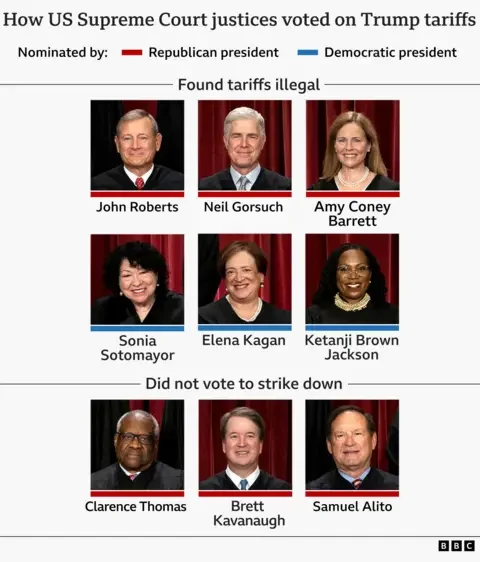
For months, the Trump administration's global tariff regime, a key element of its economic policy, faced legal scrutiny. Many of these tariffs were enacted under the IEEPA, a law permitting the government to address unfair trade practices through emergency measures. The Supreme Court's 6-3 decision found that this specific law could not be the basis for imposing tariffs. This ruling invalidated tariffs that had generated significant revenue for the U.S. Treasury. In response, President Trump stated his intention to utilize other existing legal authorities to maintain and introduce new tariffs.
Read More: Gotion $1 Million Donation to Trump Inauguration Raises Questions in Michigan
Key Legal Frameworks:
IEEPA: International Emergency Economic Powers Act, used previously for tariffs.
Section 232 & Section 301: Existing statutes the administration states remain in effect for tariffs and investigations into unfair trade practices.
New Executive Order and Rationale
President Trump confirmed signing the executive order in the Oval Office, stating it would take effect "almost immediately." The order introduces a 10% tariff on a broad range of imports. This move signals the administration's commitment to its tariff-centric trade strategy, despite the judicial setback. The president asserted that the U.S. possesses the right to implement such measures, citing his administration's interpretation of its executive authority. He specifically highlighted parts of Justice Kavanaugh's dissenting opinion, which suggested alternative pathways for presidential tariff imposition.
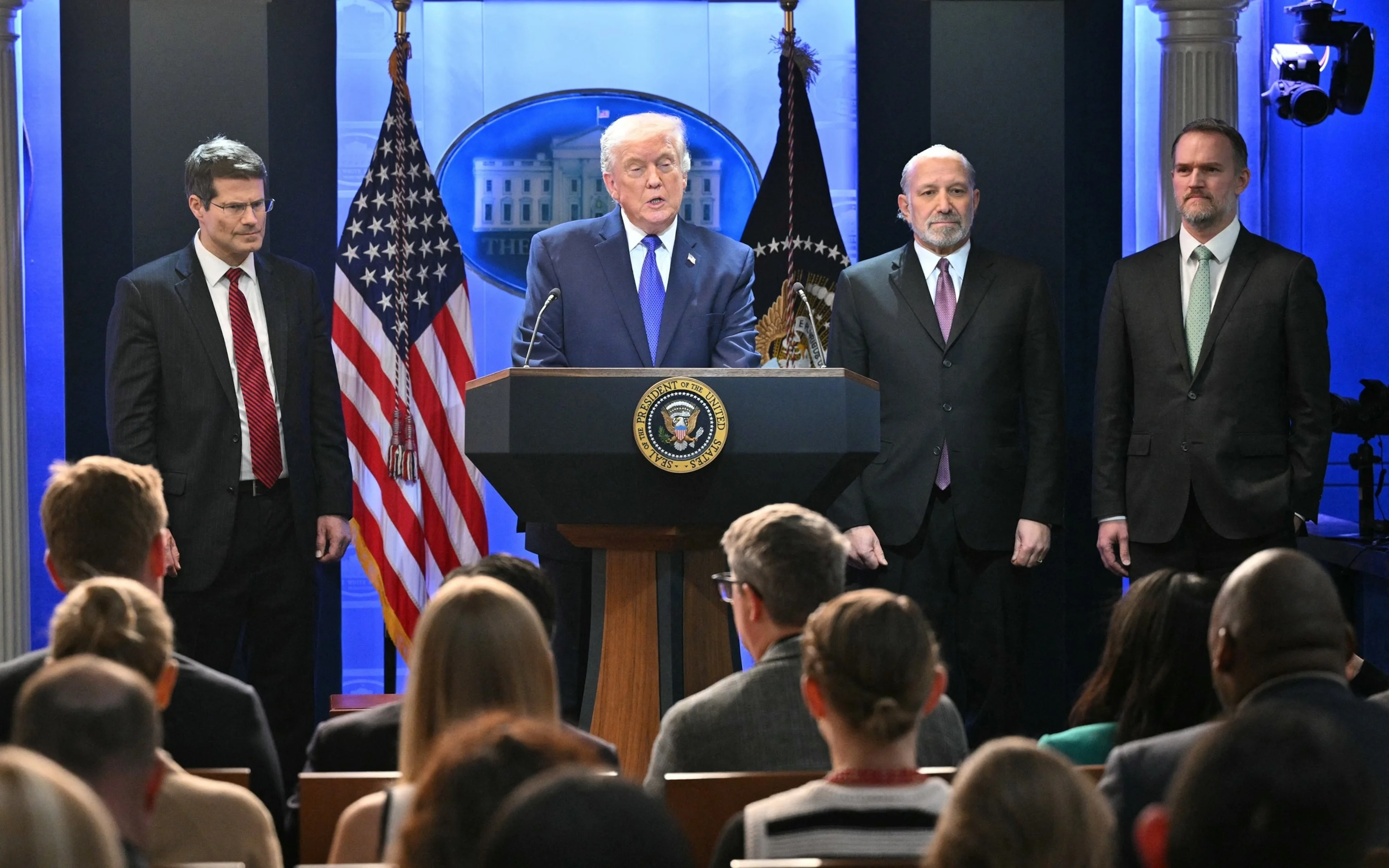
"We have the right to do pretty much what we want to do." - President Donald Trump
Supreme Court's Decision and Administration's Reaction
The Supreme Court's majority opinion found that the administration had overreached by applying IEEPA to justify taxes on goods from nearly every country. This decision was viewed by some as a victory for those who advocate for greater congressional power over trade policy. However, President Trump strongly criticized the justices who voted against his administration, making personal attacks and characterizing the ruling as a win for "foreign countries that have been ripping us off for years." He suggested that some of the justices were influenced by political motivations.
Read More: Supreme Court Ruling Makes Trump's $2000 Tariff Rebate Unlikely, Bessent Says

Court Ruling Details:
A 6-3 decision by the Supreme Court.
Struck down tariffs imposed under IEEPA.
Cited presidential overreach.
Uncertainty Regarding Previous Tariffs
While the new executive order imposes a 10% tariff, the status of tariffs enacted under other authorities, such as Section 232 and Section 301, remains unchanged according to the administration. These existing tariffs and any potential new ones stemming from ongoing investigations are stated to be "in full force and effect." However, the specific impact on tariffs previously levied under IEEPA, including whether refunds will be issued, was noted by Justice Kavanaugh as a point of silence from the court's majority.
President's Approach to Media
During the press briefing where the new tariff order was announced, President Trump appeared to select reporters from outlets considered friendly to his administration. This has been observed as a strategy to control the narrative and avoid challenging questions from non-partisan journalists.
Conclusion and Implications
President Trump's immediate executive action to impose a 10% global tariff demonstrates a determined effort to continue his trade agenda despite the Supreme Court's rejection of the legal basis for prior tariffs. The administration's reliance on alternative statutory authorities signals a shift in strategy but not a retreat from its overall tariff policy. The long-term effects of these new tariffs on international trade, domestic businesses, and diplomatic relations remain to be seen. Further clarity is expected on the precise scope and implementation of the new measures and the handling of any previously collected revenue under the invalidated IEEPA tariffs.
Read More: Trump Announces 10% Global Tariffs After Supreme Court Ruling on February 20, 2026
Sources
CBS News: Trump executive order 10 percent tariffs Supreme Court - Published "Il y a 2 heures". Summary provides details on the new order, legal basis challenges, and Trump's response to the Supreme Court ruling.
CNBC: Trump announces new 10% global tariff after raging over Supreme Court loss - Published "Il y a 7 heures". Details the president's reaction, intent to use other methods, and the remaining tariffs.
The Guardian: Donald Trump says he has signed order imposing 10% global tariffs - US politics live - Published "Il y a 2 heures". Reports on the announcement from the White House briefing room and highlights Trump's commentary on the Supreme Court dissent.
AP News: Highlights: Trump says he’s enacted a 10% global tariff by executive order - Published "Il y a 11 heures". Focuses on the Supreme Court's decision, the 6-3 vote count, and the president's strong reactions.
ABC News: Trump says he has signed order for new global 10% tariff after 'deeply disappointing' Supreme Court ruling - Published "Il y a 7 heures". Confirms the signing of the order, its immediate effect, and Trump's criticism of the court.