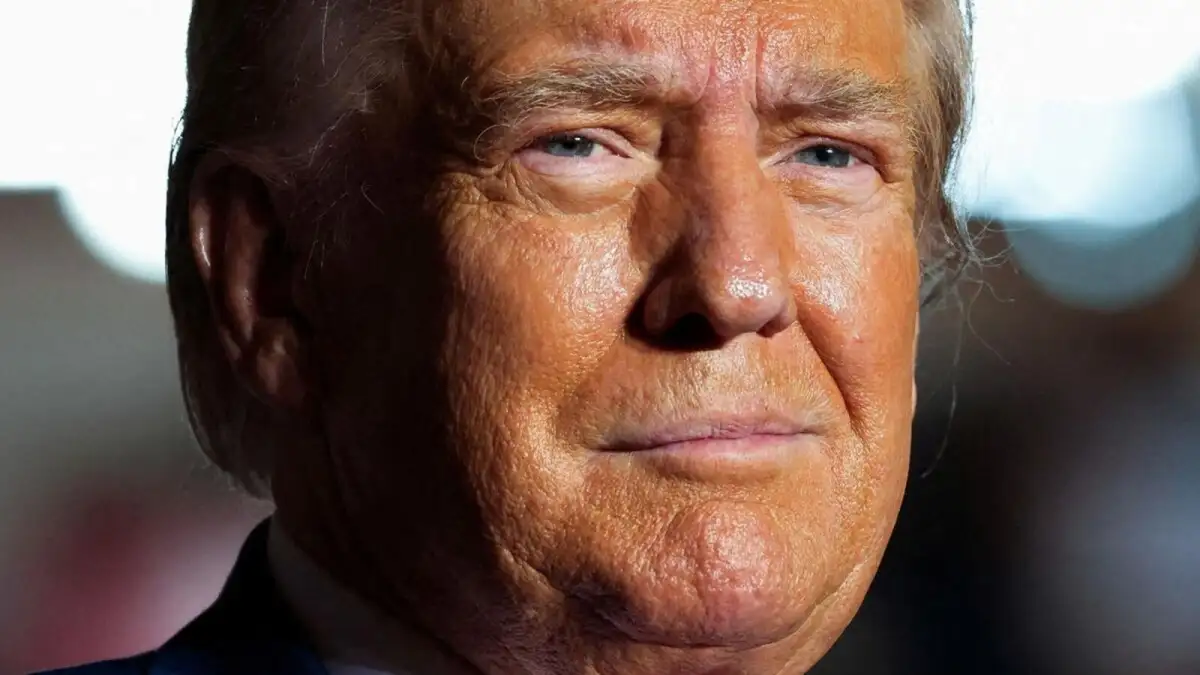
The U.S. Supreme Court's decision to strike down significant tariffs imposed by the Trump administration has brought attention to the financial dealings of Commerce Secretary Howard Lutnick's family. Reports suggest that Cantor Fitzgerald, the financial services firm led by Lutnick's sons, may stand to gain substantially from this ruling, leading to questions about potential conflicts of interest and the ethics of such transactions. The core of the issue lies in the firm's reported involvement in acquiring rights to potential tariff refunds at a discount.

Background of the Tariff Dispute and Lutnick's Role
The Trump administration implemented sweeping tariffs, some as high as 50%, on goods from major trading partners, citing unfair trade practices. These tariffs were a key economic policy. Howard Lutnick, who previously led Cantor Fitzgerald for three decades, stepped down to become Commerce Secretary. During his tenure as CEO, the firm, now largely controlled by his sons, Brandon and Kyle Lutnick, is reported to have engaged in activities related to these tariffs. Lutnick himself had publicly supported the tariffs, yet private transactions by his family's firm appear to have been positioned to benefit from their eventual invalidation.
Read More: US 250th Anniversary on July 7, 2026, sees 20% not celebrating

Tariff Imposition: The Trump administration enacted broad tariffs under the International Emergency Economic Powers Act (IEEPA), impacting goods from countries like Mexico and Canada.
Lutnick's Public Stance: Commerce Secretary Howard Lutnick publicly championed these tariffs.
Cantor Fitzgerald's Operations: After Howard Lutnick joined the administration, his sons Brandon and Kyle Lutnick assumed senior leadership roles at Cantor Fitzgerald's parent company.
Allegations of Financial Windfall and Conflict
Social media posts and several news outlets have highlighted the possibility that Cantor Fitzgerald acquired rights to tariff refunds at a reduced price, estimating potential returns of "3-5x" on investments. This suggests that the firm may have been "taking bets against" the legality of the tariffs. The Supreme Court's ruling, invalidating these tariffs and opening the door for refunds, has therefore amplified concerns about whether Lutnick's family stood to profit from a policy he helped champion. Critics have labeled these potential gains as "pure criminality" and evidence of a "heads I win tails you lose" dynamic among the wealthy elite.
Read More: Questions About Tech Company's Factory Checks

Discounted Refund Rights: Reports indicate Cantor Fitzgerald purchased rights to potential tariff refunds for 20 to 30 cents on the dollar.
Social Media Claims: Numerous posts on platforms like X (formerly Twitter) allege substantial profits for the Lutnick family.
Criticism: Commentators and critics have voiced outrage over the perceived conflict of interest and potential for enrichment.
Cantor Fitzgerald's Defense and Denial
Cantor Fitzgerald has publicly denied any direct involvement in profiting from the government's tariffs. A spokesperson stated that the firm "is not in the business of positioning any risk, taking views, or facilitating trades in litigation claims involving the legality of US tariffs." While acknowledging that the firm had "looked at the product," a senior banker familiar with the matter claimed Cantor decided against pursuing it due to "political sensitivities." This stance suggests that while the opportunity existed, the firm consciously avoided direct engagement to mitigate the appearance of impropriety.
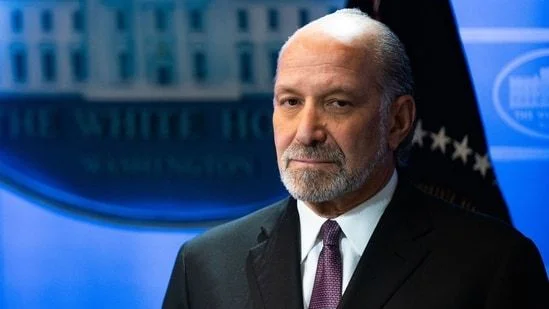
Official Statement: Cantor Fitzgerald asserts it does not engage in risk-taking or trades related to tariff legality.
Consideration vs. Action: The firm reportedly considered such transactions but ultimately refrained due to political optics.
Distinction: This denial aims to differentiate between exploring a financial product and actively profiting from it in a manner linked to Lutnick's government role.
Congressional Scrutiny and Investigation
The controversy has prompted action from U.S. senators. Democratic senators Ron Wyden and Elizabeth Warren have sent a letter to Cantor Fitzgerald Chairman Brandon Lutnick. They are seeking more information about the firm's activities and specifically asking if anyone at Cantor had contact with the Trump administration regarding the tariffs. This inquiry underscores the seriousness with which lawmakers are treating the potential conflict of interest and the financial implications for individuals connected to the administration.
Read More: Trump says Vance-Rubio ticket would be "unbeatable" for 2028
Senator Inquiry: Wyden and Warren have formally requested details from Cantor Fitzgerald.
Key Questions: Senators are probing for any communication between Cantor and the Trump administration on tariff matters.
Focus: The investigation centers on the potential for impropriety and conflicts of interest.
Evidence of Lutnick's Internal Influence
Further reporting suggests that Howard Lutnick played a significant role in shaping the administration's tariff policy, reportedly pushing back against efforts by other officials to limit them. This position, coupled with the reported financial activities of his family's firm, has fueled allegations that Lutnick had "significant visibility into the bet’s probable outcome." While the firm denies direct involvement, the intricate connection between Lutnick's public policy role and his family's private financial interests remains a point of contention.
Policy Advocacy: Lutnick is described as a key architect who advocated for and resisted limitations on Trump's tariffs.
Visibility: His position allegedly provided him with insight into the likely success or failure of the tariffs.
Interplay of Roles: The intersection of his government position and family's business interests is a central element of the controversy.
Conclusion and Unanswered Questions
The Supreme Court's ruling against Trump's tariffs has created a complex scenario. While Cantor Fitzgerald denies actively profiting from these specific tariff disputes, the firm had reportedly explored and been involved in similar financial products tied to tariff legality. The timing of these explorations, in conjunction with Howard Lutnick's role as Commerce Secretary and his reported influence on tariff policy, has generated substantial public and governmental scrutiny. The precise nature and extent of Cantor Fitzgerald's involvement, and whether any transactions directly benefited from Lutnick's insider knowledge or influence, remain subjects of ongoing investigation and debate. The absence of a direct comment from Howard Lutnick on the Supreme Court's ruling adds another layer to this developing situation.
Read More: Pentagon Staffing Choice: Jan 6 Participant in Sensitive Role
Core Conflict: The controversy centers on the intersection of Lutnick's public service and his family's financial firm's alleged positioning related to government policy.
Firm's Position: Cantor Fitzgerald maintains it did not engage in the specific trades related to these tariffs due to political concerns, though it had explored similar ventures.
Remaining Questions: The full scope of the firm's prior dealings and any direct connection to the specific tariff ruling, as well as Lutnick's direct knowledge and actions, are yet to be fully clarified.
Sources Used
Timesnownews.com: US Supreme Court Tariff Ruling: Did Howard Lutnick's Family Make a Fortune? - https://www.timesnownews.com/world/us/us-news/howard-lutnick-family-fortune-cantor-fitzgerald-us-supreme-court-strikes-down-tariffs-ruling-article-153657773
Rawstory.com: Firm of Trump official's family denies report it stands to make fortune from tariff ruling - https://www.rawstory.com/howard-lutnick-2675289149/
Newsweek.com: Trump official's sons may make tons of money after Supreme Court ruling - https://www.newsweek.com/howard-lutnick-sons-may-make-money-supreme-court-ruling-tariffs-11558345
Newrepublic.com: Trump Secretary Silent as Sons Poised to Make Bank From End of Tariffs - https://newrepublic.com/post/206882/trump-commerce-secretary-lutnick-sons-money-end-tariffs-supreme-court
Dnyuz.com: Family of top Trump official stands to make fortune from tariff ruling: ‘Pure criminality’ - https://dnyuz.com/2026/02/20/family-of-top-trump-official-stands-to-make-fortune-from-tariff-ruling-pure-criminality/
Talkingpointsmemo.com: Lutnick Family Angling To Make Astronomical Sums Off Court Nixing Tariffs - https://talkingpointsmemo.com/edblog/lutnick-family-angling-to-make-astronomical-sums-off-court-nixing-tariffs
Hindustantimes.com: Howard Lutnick, sons accused of fraud amid Trump vs Supreme Court on tariffs: ‘Made billions’ - https://www.hindustantimes.com/world-news/us-news/howard-lutnick-sons-brandon-and-kyle-cantor-fitzgerald-in-focus-amid-trump-vs-supreme-court-on-tariffs-101771621833395.html
Wired.com: Trump’s Commerce Secretary Loves Tariffs. His Former Investment Bank Is Taking Bets Against Them - https://www.wired.com/story/cantor-fitzgerald-trump-tariff-refunds/
Semafor.com: Howard Lutnick’s old firm did not, in fact, profit from Supreme Court tariff ruling - https://www.semafor.com/article/02/20/2026/cantor-fitzgerald-howard-lutnicks-old-firm-did-not-profit-from-supreme-court-tariff-ruling
Hacker News: Trump's global tariffs struck down by US Supreme Court | Hacker News - https://news.ycombinator.com/item?id=47089213
Dailykos.com: Raking it in - How Trump's Rich Friends Get Obscenely Richer - https://www.dailykos.com/stories/2025/9/2/2341440/-Trump-s-Rich-Friends-Get-Richer
Wired.com: Senators Press Howard Lutnick’s Former Investment Firm Over Tariff Conflict of Interest Concerns - https://www.wired.com/story/senators-probe-cantor-fitzgerald-tariffs/