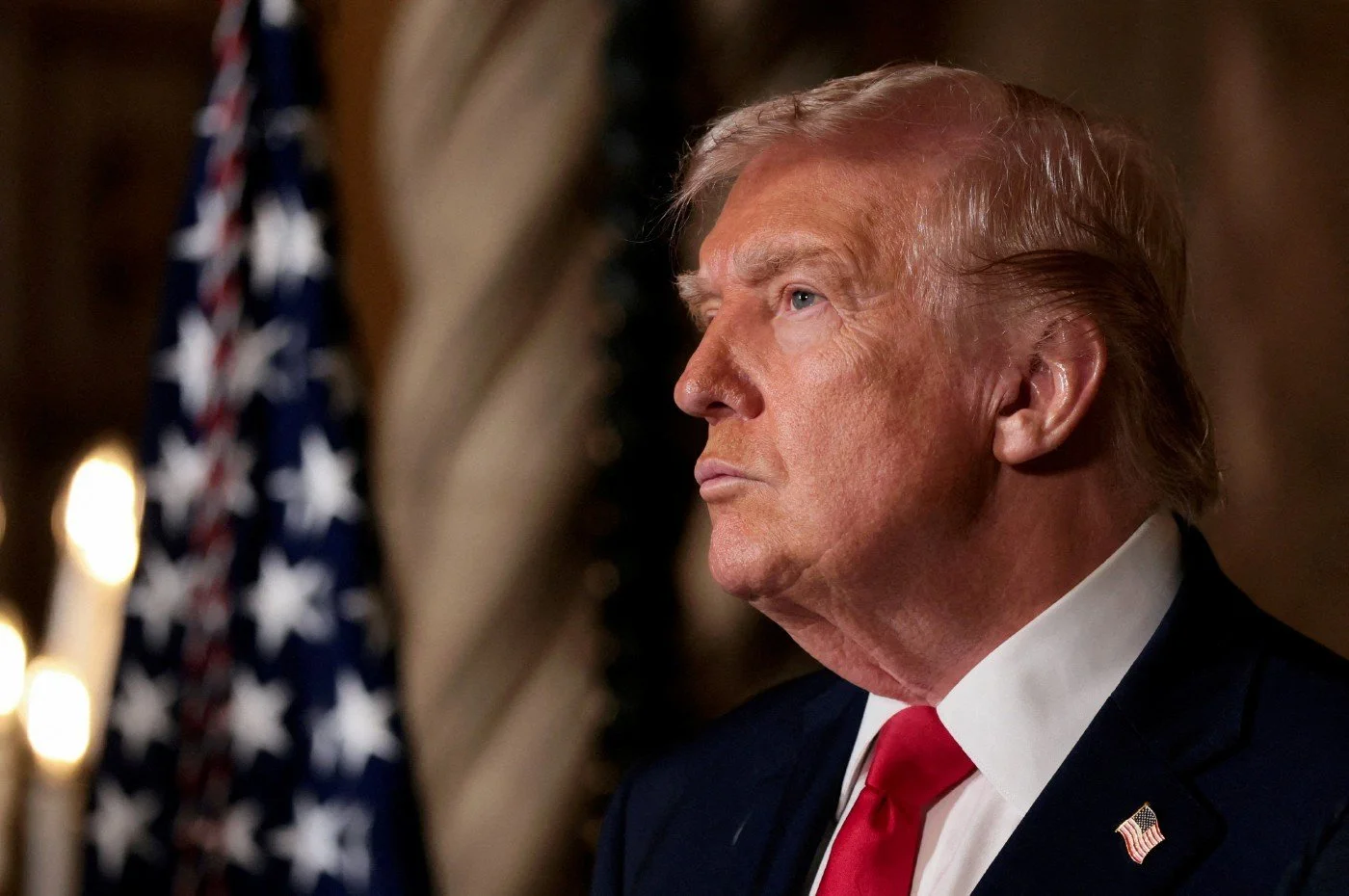
The Supreme Court has ruled against President Donald Trump's use of tariffs, impacting a core element of his economic strategy. This decision raises questions about the future of such trade measures and how the administration will proceed. The ruling, which came after oral arguments, has been described as "deeply disappointing" by Trump.

Background: Tariffs and the Supreme Court
President Trump has used tariffs as a significant tool in his presidency, viewing them as a symbol of his strong stance on trade. This approach, however, has caused unease among some Republican lawmakers, who have had to defend these tariffs, which can function as taxes on Americans and businesses. The Supreme Court's intervention in this policy area has led to legal uncertainty.

Key Events and Timeline
Oral Arguments: The Supreme Court heard arguments regarding Trump's tariffs. Some reports suggest justices appeared to be conflicted on the extent to which a president can impose tariffs, a power traditionally held by Congress. The potential for needing to refund large sums of money collected from tariffs also seemed to be a concern for some justices.
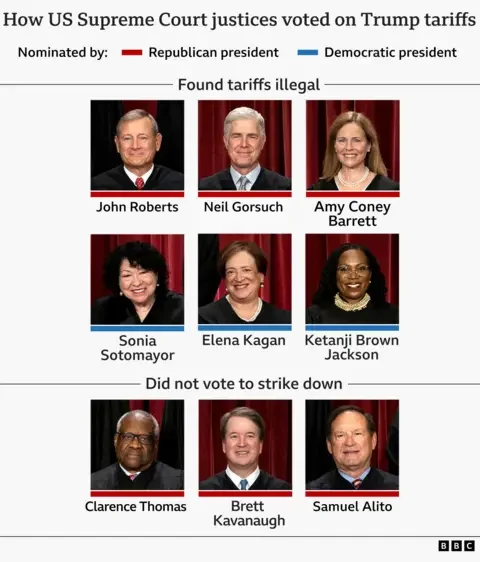
Court's Decision: In a 6-to-3 decision, the Supreme Court determined that a law called the International Emergency Economic Powers Act does not grant the president the authority to impose tariffs.
Trump's Reaction: Trump has expressed that the ruling is "deeply disappointing" but has also attempted to frame it positively, suggesting it will bring certainty to the U.S. economy. He stated that he is seeking alternative methods to continue his trade agenda.
Legal Basis and Rulings
The tariffs in question, particularly those placed on Chinese goods, relied on Section 301 of the Trade Act of 1974. However, legal experts noted that this section does not explicitly permit the imposition of tariffs, placing Trump's actions in uncharted legal territory. Appeals courts have also previously ruled against Trump's tariffs.
Read More: Trump Plans New Tariffs After Supreme Court Blocks Old Ones
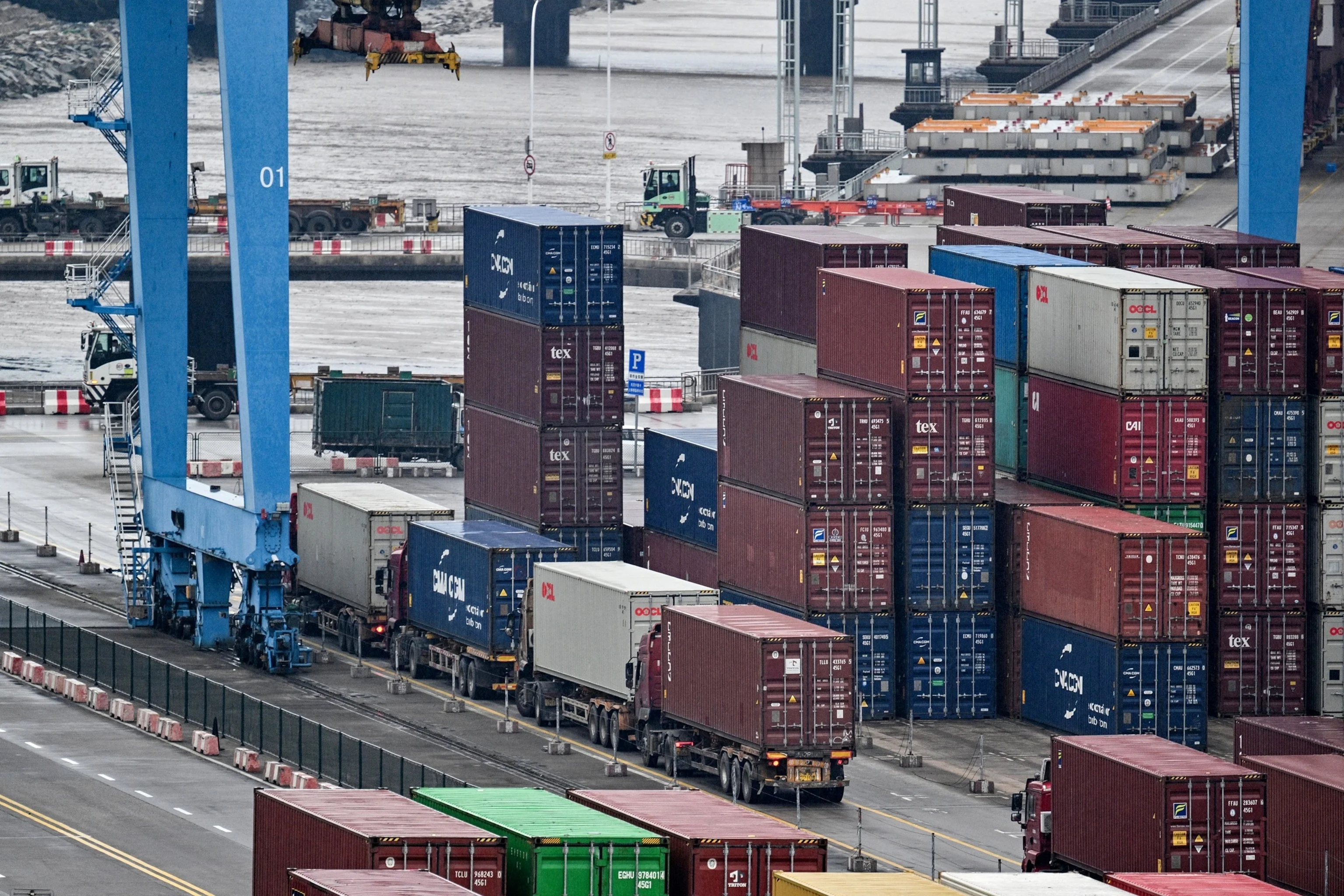
The Supreme Court's 6-to-3 ruling found the International Emergency Economic Powers Act does not authorize presidential tariffs.
This decision creates uncertainty for existing and future tariff policies.
The potential for widespread refunds of collected tariffs was a consideration during court deliberations.
Administration's Path Forward
Despite the court's decision, Donald Trump has indicated he will not abandon his tariff agenda. He plans to explore other legal avenues to implement similar trade measures.

Seeking Alternatives: Trump stated he would seek alternatives, outlining specific plans.
Continued Advocacy: He continues to speak about the importance of tariffs and refers to the case as highly significant.
Potential for New Tariffs: Experts suggest the White House might explore other legal authorities to revive tariff policies if courts ultimately rule against them.
Public and Political Reaction
The ruling has elicited varied responses:
Support: Former Vice President Mike Pence praised the Supreme Court's decision.
Disagreement: Trump himself called the decision "deeply disappointing."
Public Opinion: A January poll indicated that approximately 60% of Americans believed Trump had gone too far in imposing new tariffs.
Expert Analysis
Legal scholars and practitioners have commented on the court's actions and the implications of the ruling. While some initially speculated about delays, the official ruling has now been made. The decision highlights the delicate balance between executive authority and congressional power in matters of trade.
Conclusion and Implications
The Supreme Court's ruling has definitively curbed President Trump's ability to impose tariffs under the International Emergency Economic Powers Act. While this decision may bring clarity to certain economic aspects, it marks a significant setback for Trump's signature trade policy. The administration's stated intention to pursue alternative legal strategies suggests a continued focus on tariffs as a policy instrument, albeit through potentially different legal frameworks. The long-term impact on international trade relations and domestic economic policies remains to be seen as the administration navigates these new legal parameters.
Read More: Supreme Court Stops Trump Tariffs on Mexico, China, Canada from February 20, 2026
Associated Press (AP News): Provided details on the Supreme Court's decision, Trump's reaction, and the broader context of his tariff policies. https://apnews.com/article/trump-tariffs-supreme-court-whats-next-b8b6d5d44ebb3640a88f7202754cb361 and https://apnews.com/article/trump-tariffs-supreme-court-ruling-e00f24f16f327413efbab1af04a960df
National Public Radio (NPR): Reported on Trump's specific response to the ruling and his plans for the future of his trade agenda. https://www.npr.org/2026/02/20/nx-s1-5720826/trump-calls-scotus-tariffs-decision-deeply-disappointing-and-lays-out-path-forward
ABC News: Discussed the potential for the administration to explore other legal authorities following court rulings against Trump's tariffs. https://abcnews.go.com/Business/president-trumps-tariffs-after-whiplash-court-rulings/story?id=122323318
(Note: CNN and CTV News articles were not included due to summaries being too short or focused on the timing of the decision rather than its outcome and implications.)