President Donald Trump has faced a setback from the Supreme Court regarding his use of tariffs, but he still has alternative ways to impose taxes on imported goods. The court decided that Trump had exceeded his authority by using a specific law, the International Emergency Economic Powers Act (IEEPA), to place broad tariffs on nearly every country. This ruling limits his ability to use emergency powers for such actions. However, Trump has indicated he will continue his approach, and reports suggest his administration has been preparing contingency plans.

The Supreme Court's decision means that some of the tariffs Trump previously enacted are now considered illegal. This ruling has been described as a significant blow to his economic agenda. Despite this, Trump has expressed his intent to press forward with new tariff strategies, with a press conference planned to discuss the court's decision. The economic markets have reacted positively to the ruling, with major stock indexes erasing early losses.
Read More: Supreme Court Stops Trump Tariffs, Causing Fights in Republican Party on Friday

Trump's Tariff Strategy Challenged
President Trump's use of tariffs has been a central part of his economic policy. He has argued that these taxes on foreign imports would help revive American manufacturing. However, evidence suggests that these tariffs have not definitively sparked a revival in domestic production, though they may have allowed some U.S. factories to raise prices. The tariffs at the heart of the Supreme Court case accounted for a substantial portion of the total tariffs imposed by his administration.

Supreme Court's Decision on IEEPA Tariffs
The Supreme Court, in a 6-3 decision, ruled against the tariffs Trump imposed using IEEPA. The court found that this law, meant for national emergencies, does not grant the president the power to implement such wide-ranging import taxes. The U.S. Court of International Trade had previously ruled that Trump could not use emergency powers to address trade deficits. This has led to questions about whether billions of dollars in tariffs collected under IEEPA will need to be refunded.
Read More: India's Economy Strong: RBI Deputy Governor Poonam Gupta Says Growth Expected by December 2025
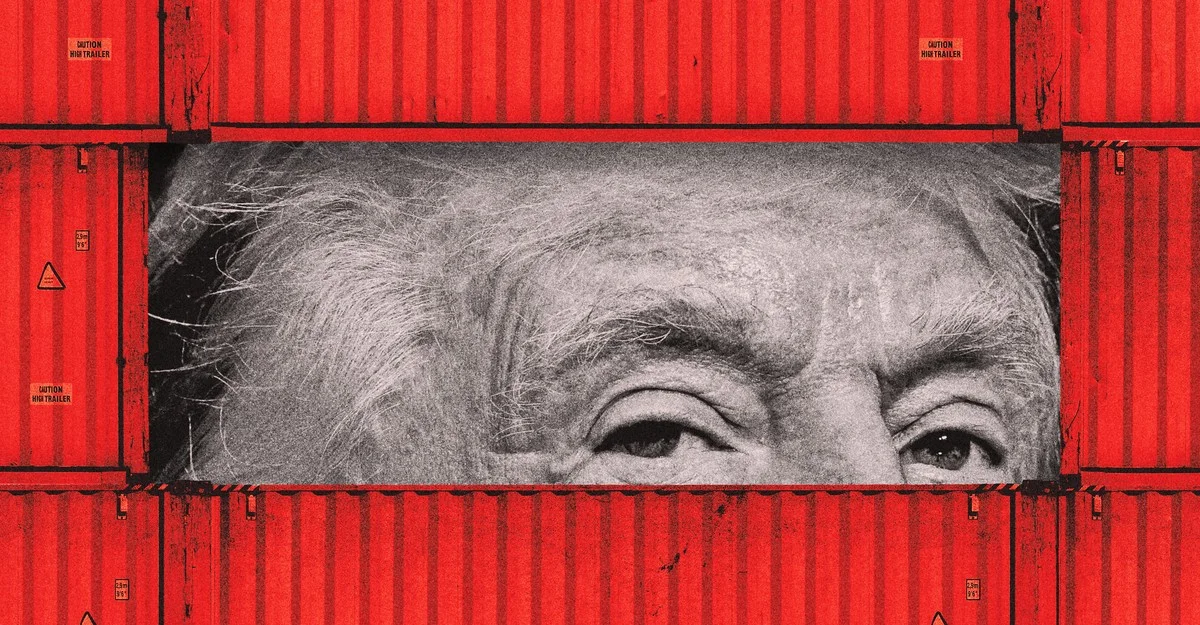
"The Supreme Court ruled that Trump exceeded his authority when imposing sweeping tariffs using a law reserved for a national emergency." - NBC News
Alternative Legal Avenues for Tariffs
Despite the Supreme Court's ruling on IEEPA, President Trump possesses other legal avenues to impose tariffs. His administration has already utilized, and could expand the use of, other statutes. These include:
Section 232 of the Trade Expansion Act: This allows for tariffs to be placed on goods for national security reasons. It has previously been used for tariffs on steel, aluminum, autos, copper, and lumber.
Section 301: This section has been used to impose or increase tariffs, particularly on Chinese goods, and there are no stated limits on the size of tariffs that can be imposed under it. The administration has indicated plans to initiate further investigations under this section.
These alternative laws provide the president with broad authority to penalize foreign trade practices and implement tariffs, potentially even at higher rates than previously seen, if other legal routes are blocked.
Reactions and Future Implications
President Trump has slammed the Supreme Court's decision, calling it "deeply disappointing." He plans to hold a press conference to address the ruling. Conversely, the stock market has shown a positive reaction, with major indexes improving after the decision. Analysts suggest that even with this court loss, Trump has plenty of ways to reconstruct his trade policies. The debate over tariffs and their effectiveness is likely to continue, with Trump's upcoming State of the Union address possibly offering further insights into his next steps.
Read More: Pakistan PM Shehbaz Sharif Praises Trump, Faces Online Mockery and Debate
Trump's stance: Expressed disappointment, plans further action.
Market reaction: Positive, with stock indexes showing gains.
Legal options: Several statutes remain available for imposing tariffs.
Policy impact: A setback for his signature economic agenda, but not the end of his tariff strategy.
Expert Analysis
While specific expert quotes were not extensively detailed in the provided summaries, the reporting consistently points to the existence of alternative legal frameworks that Trump can employ. For example, The Guardian notes that "Trump had other tariff routes to continue his strategy." Similarly, The Atlantic suggests that "Even after losing at the Supreme Court, Trump has plenty of ways to reconstruct his trade regime." This indicates a general consensus among observers that the ruling, while significant, does not eliminate Trump's capacity to utilize tariffs through different legal means.
Conclusion
The Supreme Court's decision has curtailed President Trump's ability to impose broad tariffs using emergency powers under IEEPA. This ruling invalidates tariffs enacted under that specific authority and raises questions about refunds. However, this does not mark the end of Trump's tariff strategy. His administration has established plans to utilize other statutes, such as Section 232 and Section 301, to continue imposing taxes on imports. Trump's strong commitment to tariffs suggests he will actively pursue these alternative methods, maintaining pressure on international trade. The economic and political ramifications of these continued actions remain to be seen.
Read More: India's Foreign Exchange Reserves Hit Record $725.7 Billion This Week
Key Finding: Trump's broad use of IEEPA for tariffs has been struck down.
Remaining Options: Section 232 and Section 301 offer viable paths for future tariffs.
Trump's Intent: Demonstrated willingness to continue tariff policies via alternative means.
Uncertainty: The scale and impact of future tariffs under different statutes are not yet clear.
Sources Used:
AP News: https://apnews.com/article/trump-tariffs-supreme-court-ieepa-a3e43fe91fa8335eac383921bed55f7e - Provides an overview of Trump's remaining tariff options and the legal basis for the Supreme Court's decision.
USA Today: https://www.usatoday.com/story/news/politics/2026/02/20/supreme-court-trump-tariffs-ruling/87778248007/ - Covers President Trump's reaction to the ruling and market responses.
The Guardian: https://www.theguardian.com/us-news/2026/02/20/what-will-happen-to-trump-tariffs-after-supreme-court-verdict - Discusses the implications of the verdict and mentions alternative tariff routes.
NPR: https://www.npr.org/2026/02/20/nx-s1-5677609/tariffs-economy-trump-supreme-court - Explains key aspects of Trump's tariffs in relation to the Supreme Court decision and their impact on manufacturing.
The Atlantic: https://www.theatlantic.com/economy/2026/02/supreme-court-trump-tariffs/686083/ - Focuses on Trump's ability to reconstruct his trade regime and mentions the use of Section 301 by past administrations.
NBC News: https://www.nbcnews.com/politics/supreme-court/live-blog/-trump-tariffs-ruling-supreme-court-live-updates-rcna252655 - Provides live updates and details on the Supreme Court's ruling, including the specific law (IEEPA) and Trump's plans for a press conference.
New York Post: https://nypost.com/2025/12/30/business/trump-admin-has-plan-b-to-keep-tariffs-going-if-supreme-court-deems-current-approach-unconstitutional-report/ - Reports on the Trump administration's contingency plans and mentions the use of Section 232 and other statutes.
CBS News: https://www.cbsnews.com/news/supreme-court-tariffs-decision-trump/ - Details the Supreme Court's ruling on Trump's authority and mentions his reliance on other laws for specific product tariffs.