A significant legal battle over trade policy concluded as the US Supreme Court ruled against President Donald Trump's broad import taxes. In response, the President announced the imposition of a new 10% global tariff, signaling a continued use of executive authority in trade matters. This development impacts global trade, the US economy, and the political landscape, raising questions about the balance of power between the executive and legislative branches in setting trade policy.

Background of the Trade Dispute
The Supreme Court's decision on Friday addressed tariffs that President Trump had put in place last year on goods from nearly every nation. These duties, argued by the administration to boost US investment and manufacturing, were challenged by businesses and US states. The core of the legal dispute centered on whether the President overstepped his authority by using the International Emergency Economic Powers Act (IEEPA) to impose these taxes without direct congressional approval. Prior rulings from federal trade and appeals courts had also found these specific tariffs illegal.
Read More: UK Government May Change Law to Remove Prince Andrew from Royal Succession After Arrest

Supreme Court's Decision and Reasoning
The Supreme Court, in a 6-3 decision, declared that President Trump's use of executive power to impose these widespread tariffs was unlawful. The majority opinion stated that the authority to enact tariffs during peacetime resides with Congress, not the President. Chief Justice Roberts cited a lack of historical precedent in his ruling against the tariffs. The decision represents a major setback for Trump's economic agenda, which heavily relied on tariffs to reshape US trade policy and generate tens of billions of dollars.

President Trump's Response and New Tariff Announcement
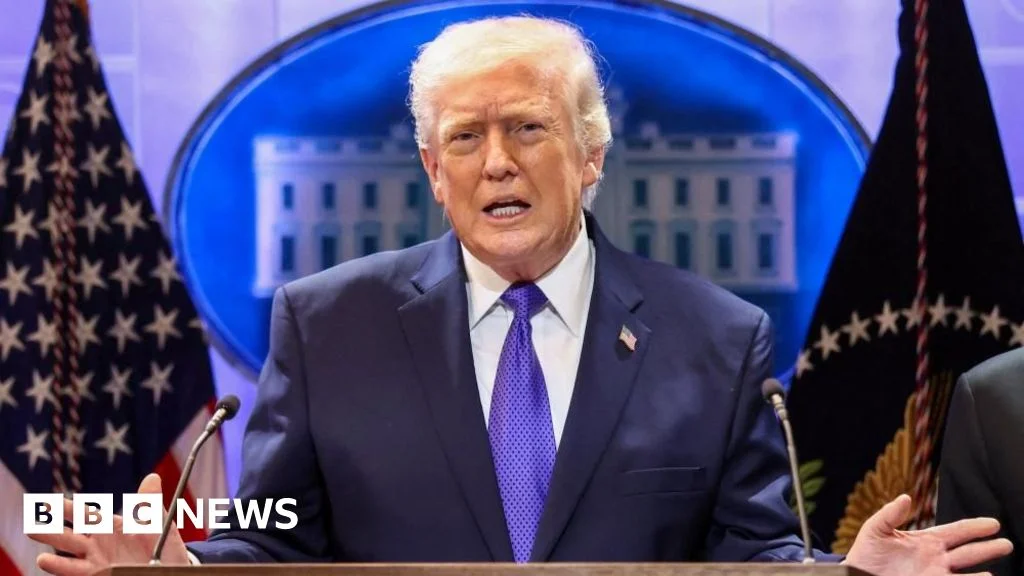
Following the Supreme Court's ruling, President Trump expressed strong disapproval, calling the decision "deeply disappointing" and the justices "fools." He also announced the immediate imposition of a new 10% global tariff via executive order. Trump stated his intention to pursue other legal avenues, referencing statutes such as Section 232 and Section 301, which he believes allow for the continued or re-imposition of tariffs. He indicated that this new tariff would remain in effect and suggested that any legal challenges to it would be prolonged.
Read More: Supreme Court Limits Trump Tariffs But Other Ways To Tax Imports Remain

Arguments and Implications
The Supreme Court's decision has been viewed as a significant win for businesses and states that had challenged the tariffs, potentially opening the door for billions in refunds. It also injects uncertainty into the global trade environment. For President Trump, the ruling is a repudiation of a key aspect of his economic strategy. However, his swift announcement of a new tariff demonstrates his commitment to using tariffs as a policy tool.
Read More: Texas Senate Race: Jasmine Crockett Claims Racial Tactics in Democratic Primary
Economic Impact: The legal challenge to the previous tariffs could lead to substantial refunds for businesses, while the new tariff could introduce new costs and uncertainties for international trade.
Executive vs. Congressional Power: The ruling highlights a tension between the President's asserted executive authority and Congress's constitutional role in trade matters.
Political Ramifications: Trump's strong reactions and his decision to move forward with new tariffs underscore the political significance of this issue for his administration and its supporters.
Expert Analysis
Legal experts and commentators have pointed to the Supreme Court's ruling as a clear delineation of powers, emphasizing that Congress holds the primary authority over trade. Some analysts note that President Trump has consistently sought to expand executive power, and this decision acts as a check on that ambition in the realm of trade. The President's response, however, suggests a determination to find alternative legal frameworks to achieve his tariff goals, possibly through avenues like investigations into unfair trade practices.
Conclusion and Future Outlook
The Supreme Court's rejection of President Trump's global import taxes marks a significant moment in trade policy, reaffirming Congress's authority. President Trump's immediate action to implement a new 10% global tariff demonstrates a continued strategy of using executive orders to influence trade. This situation suggests ongoing legal and economic debate surrounding the President's trade policies and the boundaries of executive power. The matter is likely to remain a point of contention and could lead to further legal challenges and shifts in international trade dynamics.
Read More: India's Economy Strong: RBI Deputy Governor Poonam Gupta Says Growth Expected by December 2025
Sources Used
Context: Live coverage of the Supreme Court decision and President Trump's response.
Context: Detailed report on the Supreme Court ruling and Trump's new tariff announcement.
The Guardian: https://www.theguardian.com/us-news/2026/feb/20/trump-supreme-court-tariffs-ruling
Context: Report on the Supreme Court declaring Trump's tariffs illegal.
AP News: https://apnews.com/live/supreme-court-tariff-ruling-updates
Context: Live updates on the Supreme Court ruling and Trump's executive order for a new tariff.
Financial Times: https://www.ft.com/content/d00d0663-8716-4323-bda3-2cbfb5b30285
Context: Reporting on Trump's vow to impose new tariffs after the Supreme Court setback.
Los Angeles Times: https://www.latimes.com/politics/story/2026-02-20/trump-lashes-out-at-justices-announces-new-10-global-tariff
Context: Details Trump's reaction to the court ruling and his announcement of a new tariff.
CNBC: https://www.cnbc.com/2026/02/20/trump-global-trade-tariff-supreme-court.html
Context: Coverage of Trump's determination to impose tariffs through other means after the court's decision.
Euronews: https://www.euronews.com/business/2026/02/20/trump-announces-new-10-global-tariffs-after-supreme-court-decision
Context: Reporting on Trump's announcement of new global tariffs following the Supreme Court's ruling.
The Guardian: https://www.theguardian.com/us-news/live/2026/feb/20/us-iran-nuclear-deal-trump-agreement-strikes-latest-news-live-updates
Context: Live updates including Trump's comments on the Supreme Court decision and his tariff announcement.
CBS News: https://www.cbsnews.com/live-updates/trump-tariffs-supreme-court-press-conference/
Context: Live updates of Trump's press conference following the Supreme Court ruling.
NBC News: https://www.nbcnews.com/politics/supreme-court/live-blog/-trump-tariffs-ruling-supreme-court-live-updates-rcna252655
Context: Live blog detailing the Supreme Court decision and Trump's subsequent tariff announcement.
AP News: https://apnews.com/article/supreme-court-tariffs-trump-0485fcda30a7310501123e4931dba3f9
Context: Article detailing the Supreme Court's strike down of Trump's tariffs and his reaction.
CNBC: https://www.cnbc.com/2026/02/20/supreme-court-trump-tariffs-ruling.html
Context: Report on the Supreme Court's ruling against Trump's tariffs and the rebuke of his economic policy.
The Hindu: https://www.thehindu.com/news/international/us-supreme-court-rejects-president-donald-trumps-global-tariffs-february-20-2026-live-updates/article70657247.ece
Context: Live updates on the Supreme Court decision regarding Trump's tariffs and his announcement of a new tariff.