The U.S. Space Force has successfully completed the 'Victus Haze' mission, marking a shift toward responsive space operations. In an orbital engagement concluded on July 3, 2026, commercial satellites operated by Rocket Lab and True Anomaly performed a tactical rendezvous and proximity operation (RPO). The exercise verified that private assets, guided by autonomous software, can identify and characterize a non-cooperative target in orbit within 61 hours—a timeline that historically spanned months for state-run programs.
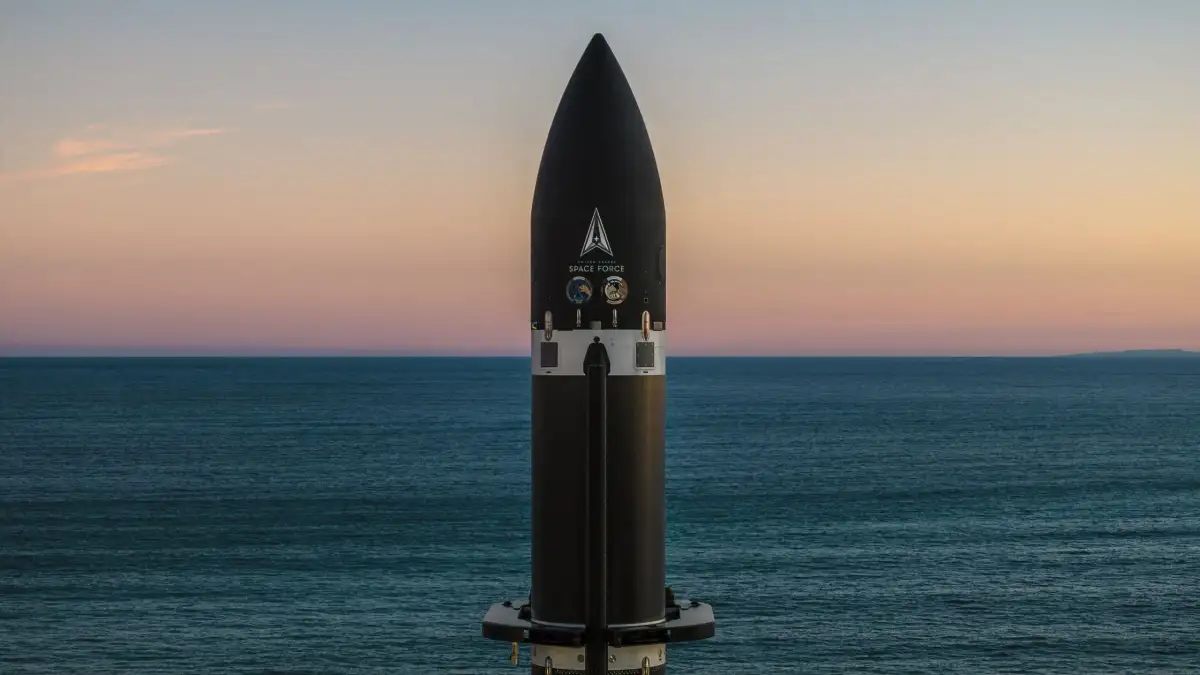
The mission signals a pivot toward utilizing commercial infrastructure to close perceived intelligence gaps regarding adversarial space capabilities.
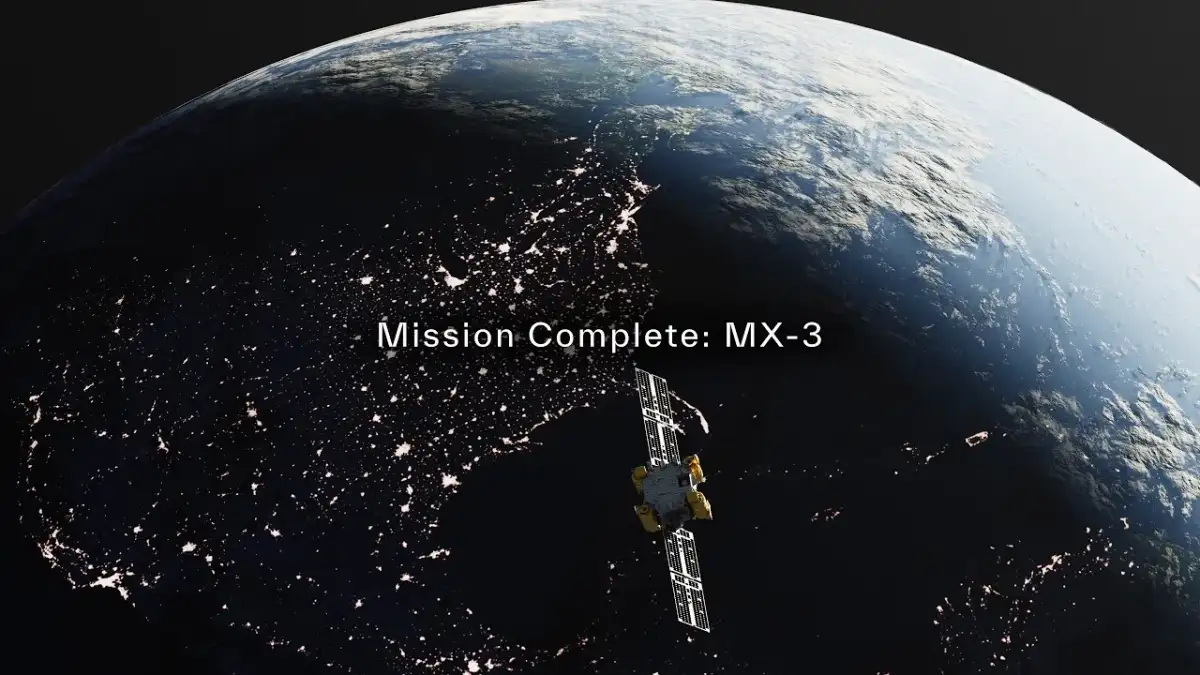
Tactical Execution and Rapid Response
The mission unfolded in stages designed to test agility and on-orbit combat maneuvering:

Responsive Launch: Rocket Lab launched its Puma spacecraft just 16 hours and 42 minutes after receiving notice from the Space Force, clearing the 24-hour target threshold.
Autonomous Intercept: True Anomaly’s Jackal satellite conducted complex maneuvering to close the distance with the Rocket Lab vehicle, capturing imagery and demonstrating tactical reach.
Operational Timeline: While the Space Force allotted a 72-hour window for the successful completion of the sortie, the objective was met 11 hours ahead of schedule.
"China and Russia launch capabilities to space on a regular basis, and part of the Space Force’s job is to understand what those capabilities are. Right now we have gaps in our collection capability." — Even Rogers, CEO, True Anomaly.
Strategic Context and Future Exercises
The Victus Haze mission is part of the Tactically Responsive Space (TacRS) program, an initiative aimed at ensuring the U.S. can deploy or reposition assets to address urgent threats in real-time. As orbital zones become increasingly crowded and competitive, the ability to rapidly "inspect" unknown vehicles has become a core defensive requirement.
Read More: South Korea uses robots to fill military jobs due to fewer people
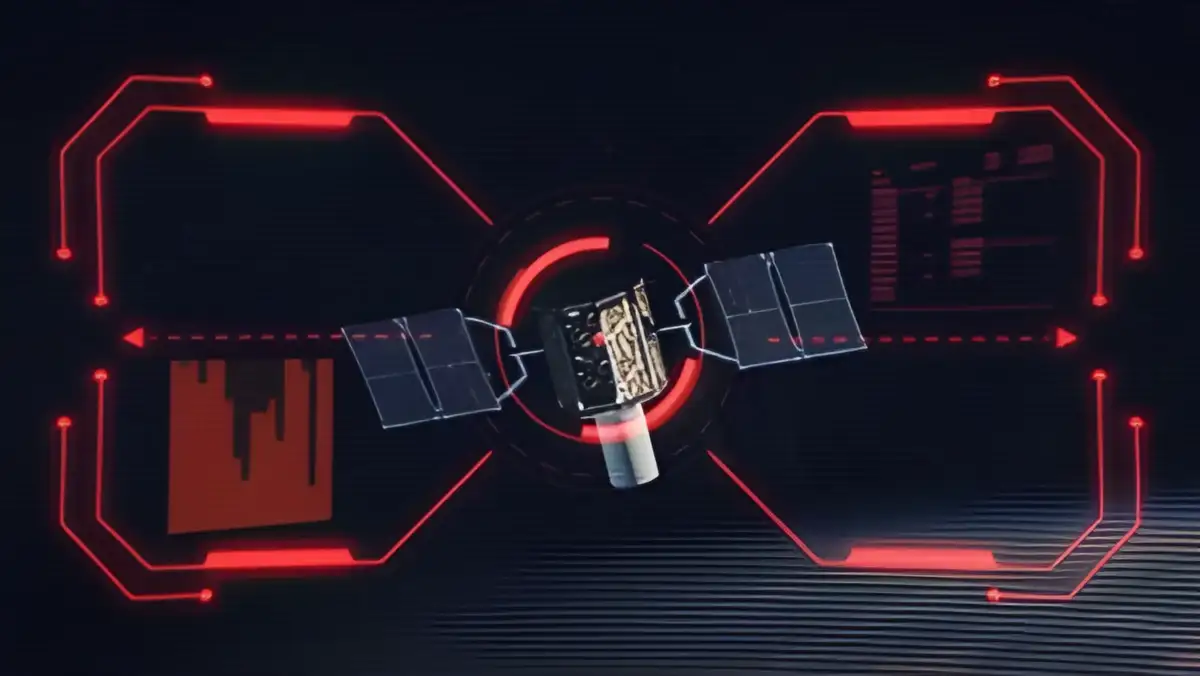
The integration of private firms represents a structural change in defense procurement. By moving away from exclusive reliance on classified government hardware, the Space Force is attempting to iterate faster through "off-the-shelf" technology. Upcoming phases of this program are expected to increase in complexity, with Rocket Lab and True Anomaly slated to conduct further exercises—including scenarios where targets actively attempt to evade inspection.
Industry Implications
| Metric | Historical Standard | Victus Haze Performance |
|---|---|---|
| Launch Prep | Months | < 17 Hours |
| Mission Commissioning | Weeks/Months | ~38 Hours |
| Orbital Intercept | Classified/Slow | 61 Hours |
The success of this mission provides the military with a scalable model for Space Domain Awareness (SDA). Whether these autonomous systems are effectively hardening the U.S. defensive posture or escalating the potential for accidental orbital conflict remains a point of debate, yet the efficiency of this private-public partnership marks a definitive departure from the traditional pace of aerospace development.