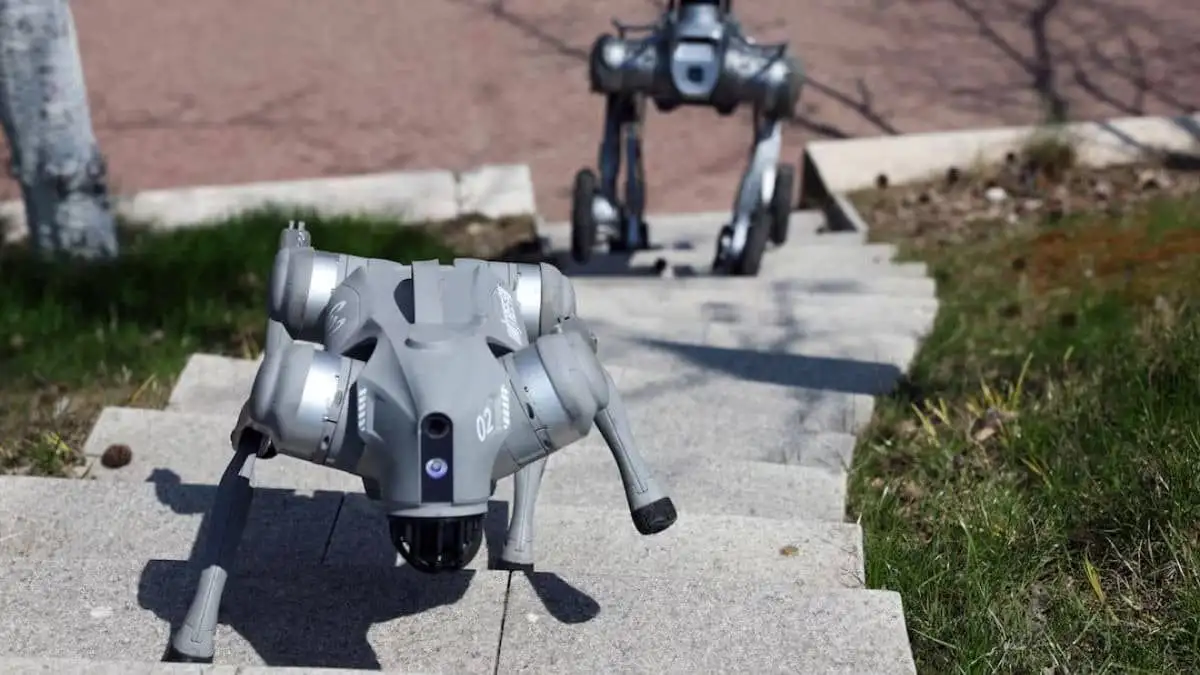
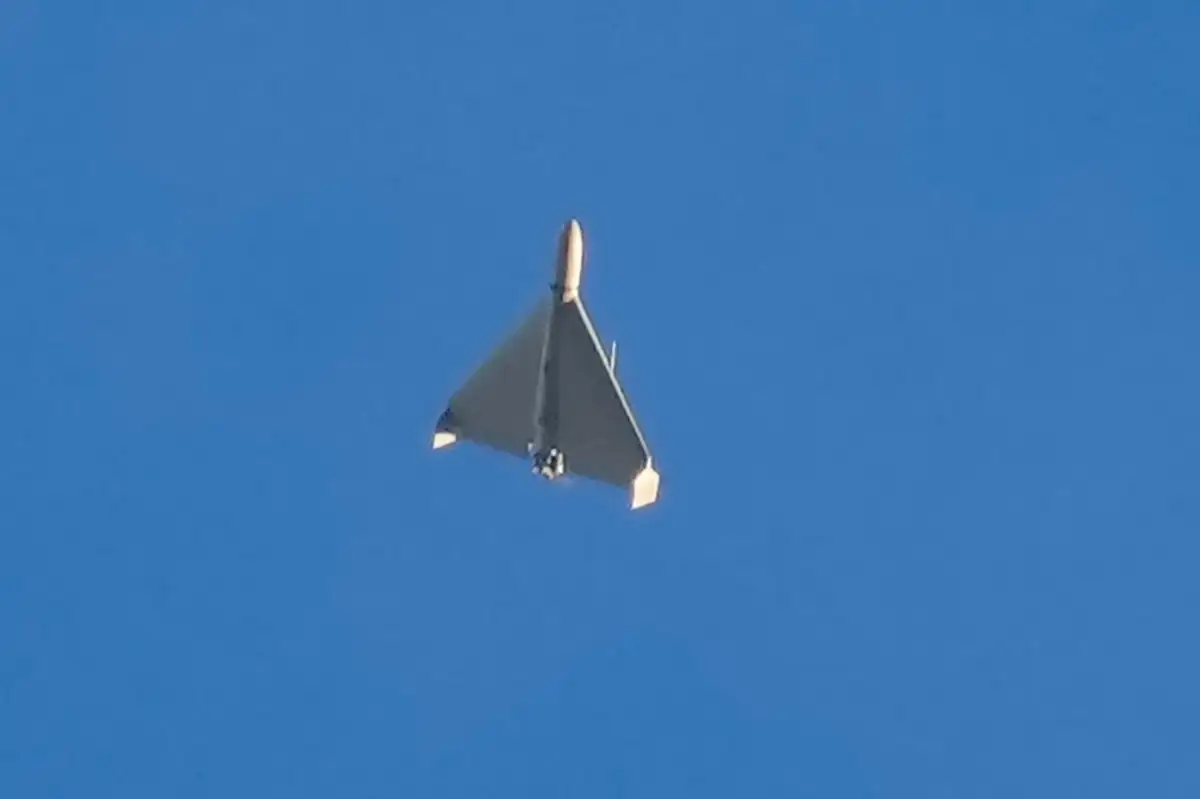
Kyiv is proposing to share its battlefield-honed expertise and potentially cheaper methods for countering Iran's Shahed drones, a threat now confronting U.S. allies in the Middle East. Ukrainian President Volodymyr Zelenskyy stated that various nations, including the United States, have approached Ukraine for assistance. The offer centers on providing "necessary means" and "Ukrainian specialists" with "real operational experience" gained from years of fending off similar drone barrages.
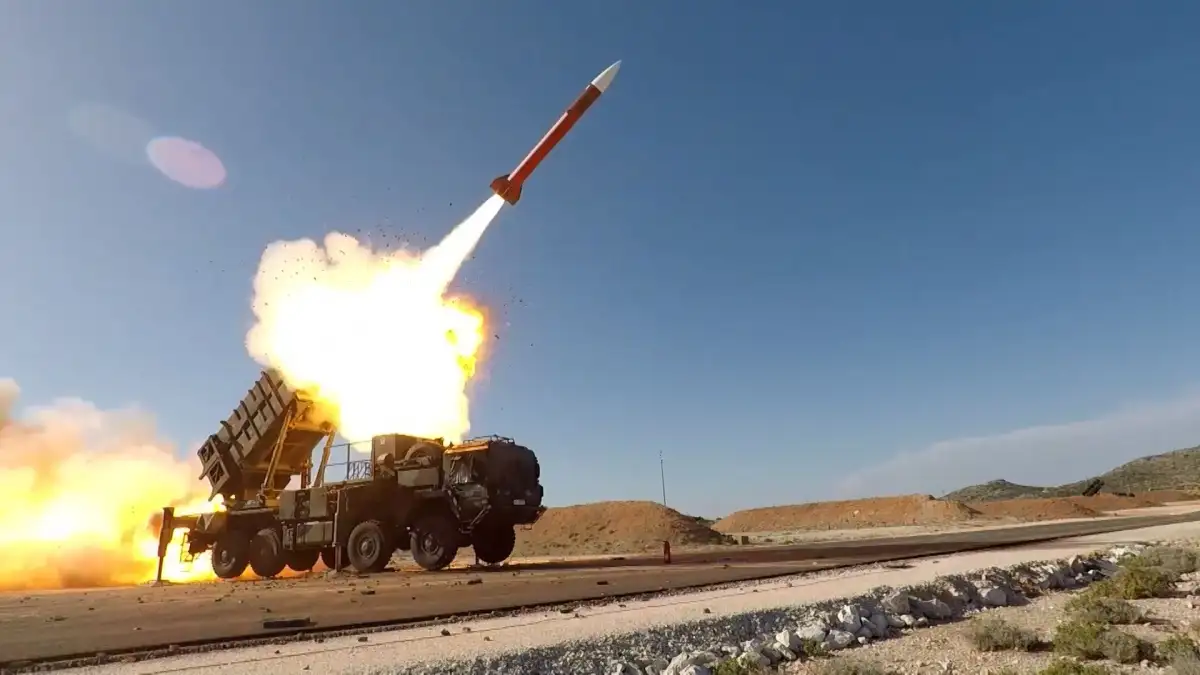
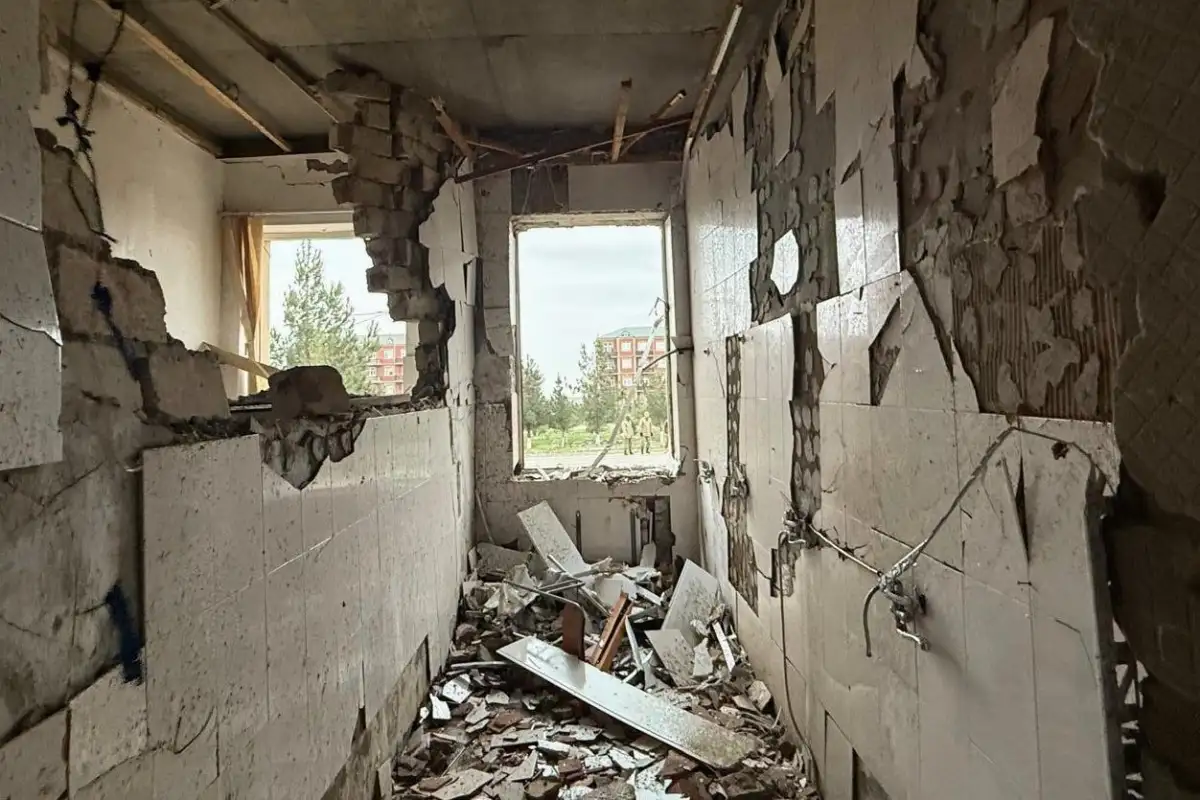
This overture comes as the U.S. and its Middle Eastern partners face increased attacks from these Iranian-made unmanned aerial vehicles. Ukraine's defense intelligence deputy chief, Vadym Skibitskyi, highlighted the sheer volume of these attacks, noting that during a recent assault, Ukraine intercepted 84 out of 94 launched Shahed drones, with only a fraction reaching their targets. The urgency is underscored by the potential for Ukraine to offer "battle-tested" strategies and technology, possibly including low-cost interceptor drones like the "Octopus" and "Sting" models, which represent a significant departure from the expensive missile systems currently employed.
Read More: AFP Reviews War Crime Claims Against Australian in Gaza

Costly Interception Methods Under Scrutiny
Current methods for taking down Shahed drones, such as employing missile-carrying fighter jets like the F-35 or air defense systems like the Patriot, are described as "highly effective" but also "extremely costly," with individual interceptors potentially running into millions of pounds. This presents a stark contrast to the "low-cost interceptor drones" developed by Ukraine, which have undergone exponential development over the four years of conflict with Russia. The proposition suggests a strategic swap: perhaps Middle Eastern allies could exchange their stockpiled air defense missiles, like those for the Patriot system, for Ukraine's battle-tested interceptor drones or the technology to produce them.
Diplomatic Maneuvers and Geopolitical Echoes
Zelenskyy's outreach extends beyond technical solutions. He has also engaged in diplomatic discussions with regional leaders, including the King of Bahrain and the Crown Prince of Kuwait, aiming to foster a regional approach to the drone threat. The Ukrainian president has publicly linked the conflicts in the Middle East and the Russia-Ukraine war, urging the U.S. administration to recognize this connection.
Read More: Space Force Mission: Private Satellites Inspect Target in 61 Hours
The offers also surface amid renewed friction between Zelenskyy and U.S. President Donald Trump. Trump, who previously accused Zelenskyy of "stalling" peace efforts, has returned to a more critical stance. Zelenskyy, however, continues to present Ukraine's experience as a valuable asset, not just for regional security but also as a potential cost-saving measure for allies, including the United States. The essence of the proposal, according to Zelenskyy, is that Ukraine can offer a "blueprint" to effectively counter these drones, leveraging its unique and hard-won experience on the front lines.
Background: Years of Drone Warfare
Ukraine has been subjected to regular Shahed drone attacks since the early stages of its conflict with Russia. Initially, Russia launched approximately 30 Shahed drones per month, a number that has significantly escalated. Ukrainian forces have developed and refined their defensive capabilities against these threats, leading to a high interception rate. This sustained exposure has provided Ukraine with unparalleled practical knowledge of the drones' operational patterns and effective countermeasures.
Read More: Indus Waters Treaty remains suspended in India and Pakistan April 2026