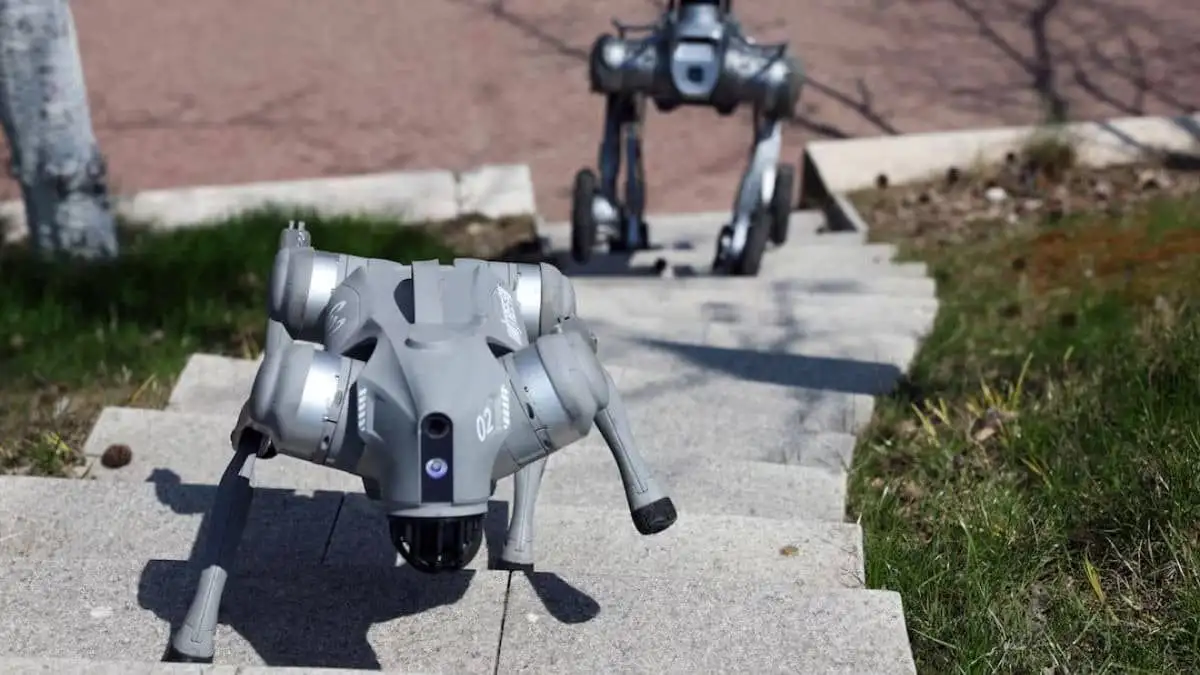
The South Korean military is accelerating the adoption of artificial intelligence and unmanned systems to address a protracted decline in active-duty personnel, a demographic challenge amplified by a shrinking population.
The nation's defense industry is actively pursuing advancements in core technologies like AI and robotics. A significant development includes a 270 billion won ($202 million) contract to mass-produce explosive detection and disposal robots. This initiative aims to bolster the military's capabilities by integrating AI into operational functions.
Defense technology firms such as Hyundai Rotem and Hanwha Aerospace are positioned as key players in this shift. Both companies are developing unmanned ground vehicles (UGVs) to be acquired by the Army and Marine Corps. This push towards unmanned platforms is intended to compensate for the dwindling numbers of recruits and conscripts, a persistent issue for the South Korean Armed Forces.
Read More: Space Force Mission: Private Satellites Inspect Target in 61 Hours
Seoul's broader vision for AI in defense extends beyond unmanned platforms. The Korea Army International Defense Industry Exhibition (KADEX), held recently, showcased AI as a central theme, drawing defense officials from 27 countries. This suggests a concerted effort to maximize AI utilization across the military for enhanced reliability and operational effectiveness.
Demographic Pressures and Strategic Imperatives
The reliance on AI and robotic systems is intrinsically linked to South Korea's demographic trends. A falling birth rate has led to a shrinking pool of potential military recruits, creating a critical manpower shortage. This situation is further complicated by geopolitical considerations, including North Korea's evolving military posture and its recent ties with Russia.
South Korea's defense strategy, encapsulated by Defense Innovation 4.0 (DI 4.0), prioritizes technology-centered endeavors. A core aim of DI 4.0 is to counter North Korea's asymmetric threats through the development of AI-based systems. This includes the creation of a new Joint All-Domain Command and Control (JADC2) system, designed to interconnect various military branches' command and communication systems into an AI-powered network.
Read More: Why K-drama The Heirs remains popular in South Korea in 2026
Broader AI Integration and Industry Involvement
The pursuit of AI in the military is not limited to combat applications. Efforts are underway to modernize military logistics through AI and IoT solutions, as indicated by partnerships like the one between Willog and the Republic of Korea Army. Furthermore, research into AI-based military medical systems and the establishment of defense AI centers point to a comprehensive approach to integrating AI across military functions.
South Korea's commitment to AI extends to nurturing domestic expertise. The nation has been at the forefront of national AI strategy development and international cooperation, evidenced by initiatives like the Seoul Declaration for Safe, Innovative, and Inclusive AI. This national emphasis on AI development aims to cultivate a skilled defense workforce and drive innovation in AI-powered military technologies.
Read More: China reveals new underwater drones and robot dogs in October 2026
Historical Context and Future Outlook
South Korea has been an early adopter of national AI strategies. The country's engagement with AI governance and deployment has been recognized internationally, with bilateral agreements like the US-Korea AI Working Group highlighting a global approach to AI advancement. The focus on "glocal" strategies, balancing global technological trends with local needs and identities, may also influence the development and integration of these new defense technologies. The long-term objective is for South Korea to establish itself among the world's top four defense powers, with AI and unmanned systems seen as critical enablers of this ambition.