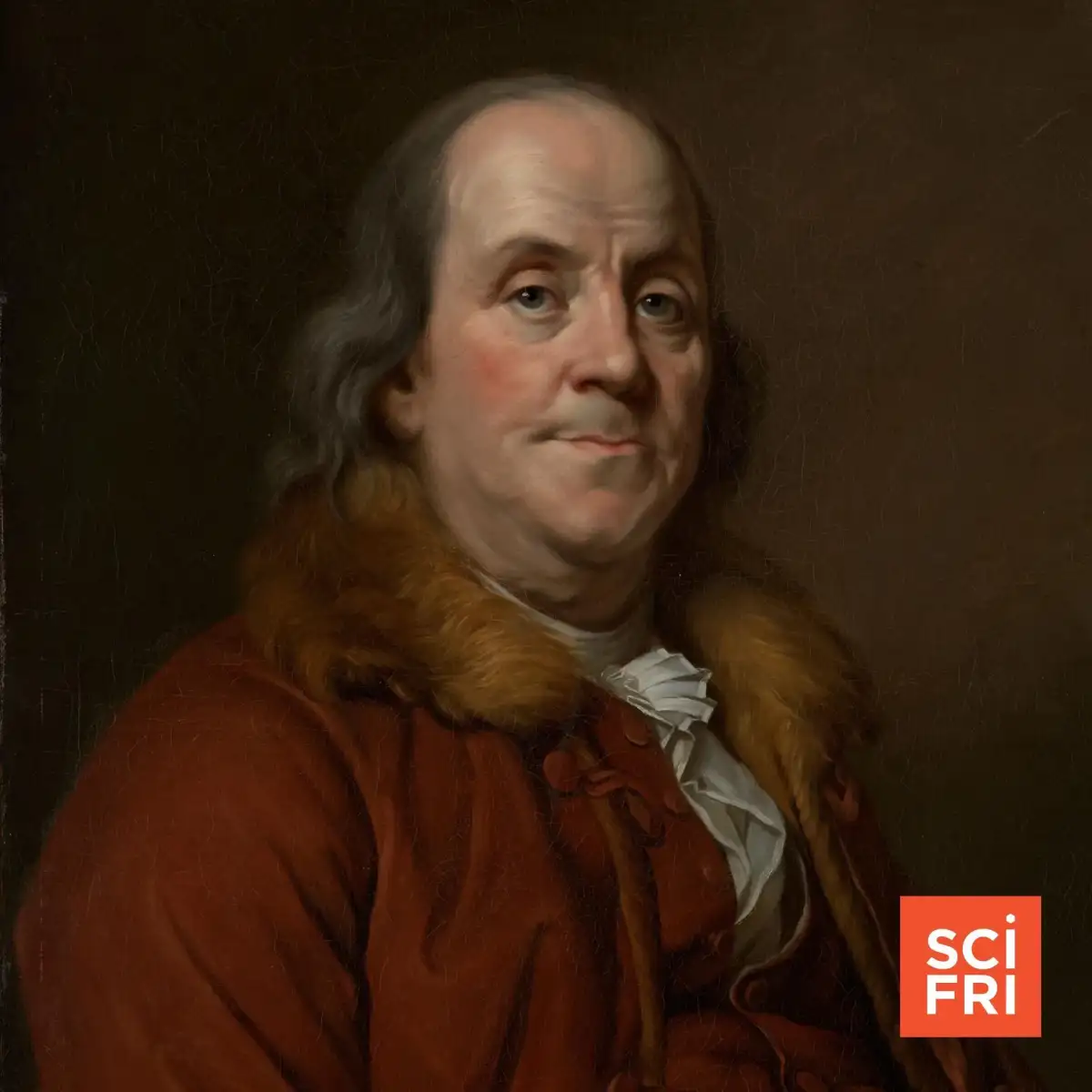
In the era marking the birth of the American state, the scientific landscape was defined not by singular figures but by a distributed community of 'natural philosophers' engaged in systemic observation. Historian Dr. Robert Allison of Suffolk University notes that while the cultural memory centers on Benjamin Franklin and his electrical experiments, the intellectual foundation of the time relied on a broader network of practitioners attempting to decode physical phenomena outside of traditional royal institutions.
| Factor | Description |
|---|---|
| Primary Actors | Natural Philosophers (Colonial era precursors to modern scientists) |
| Cultural Hub | Boston, Massachusetts |
| Institutional Context | Independent societies operating outside British crown control |
| Scientific Method | Observation-based inquiry into colonial geography and meteorology |
The Mechanics of Early Inquiry
The period surrounding 1776 functioned as a nexus where revolutionary political ideology intersected with a growing demand for empirical data. Inquiry in this context served two functions: utilitarian application for agrarian life and the creation of a uniquely American identity through the mastery of the natural world.

Beyond Franklin: The narrative of the solitary inventor is a late-stage abstraction; scientific advancement required the gathering of climate data and flora-fauna mapping across diverse colonial regions.
The Society Model: Organizations such as the Colonial Society of Massachusetts became vehicles for preserving these observations, shifting science from an aristocratic hobby to a collective civic duty.
Decentralization: Because the colonies lacked centralized state-funded research, the "lab" was essentially the field, the home, and the colonial printer’s shop.
Contextualizing the Revolution
As the nation reaches its 250th anniversary on this day, April 7, 2026, the historical revision of this era attempts to dismantle the "Great Man" theory of discovery.
Read More: St. Augustine's ideas on justice help explain US politics
"He wasn’t the only one thinking big thoughts and asking big questions," stated Dr. Robert Allison during a recent discussion on the Revolution 250 project.
The investigative consensus suggests that the American Revolution was fueled as much by this desire to categorize the environment and assert autonomy over one's own intellectual life as it was by tax grievances. The scientific infrastructure of 1776 was fragmented, precarious, and explicitly linked to the project of nation-building. It represents a transition point where knowledge became a commodity of governance rather than a strictly theoretical pursuit.