Small wetlands, often dismissed or unseen, are proving to be a significant contributor to global methane emissions, according to recent scientific scrutiny. This revelation shifts focus from more prominent sources, highlighting an overlooked player in atmospheric chemistry.
The scale of methane release from these seemingly minor aquatic environments is considerable, prompting a reevaluation of greenhouse gas inventories and climate models. While larger wetlands and agricultural practices have long been the subject of study, the collective impact of myriad small water bodies – ditches, puddles, temporary ponds, and roadside drains – is now coming into sharp relief.
The implications are far-reaching, demanding a deeper understanding of these micro-ecosystems. Researchers are now working to precisely quantify the emissions from these diverse habitats.
This finding underscores the complexity of Earth's biogeochemical cycles and the persistent challenge of accounting for all sources of atmospheric gases. It suggests that environmental policies may need to broaden their scope to include these diffuse, smaller-scale phenomena.
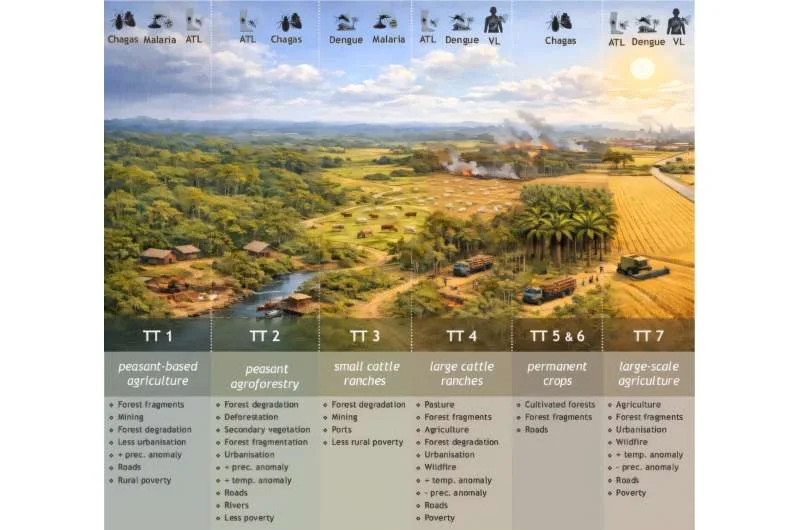
Read More: Amazon Land Use Changes Cause Disease Clusters in Brazil
The data emerges from extensive fieldwork and sophisticated atmospheric monitoring, aiming to untangle the varied contributions to methane levels. This effort is crucial for developing more accurate climate projections and, consequently, more effective mitigation strategies. The focus on these understated environments highlights the need for a more granular approach to environmental science, recognizing that significance can often reside in multiplicity.