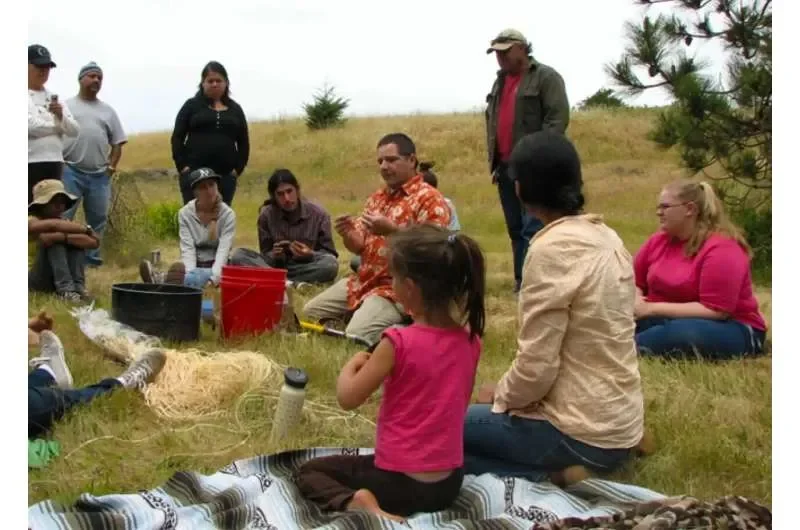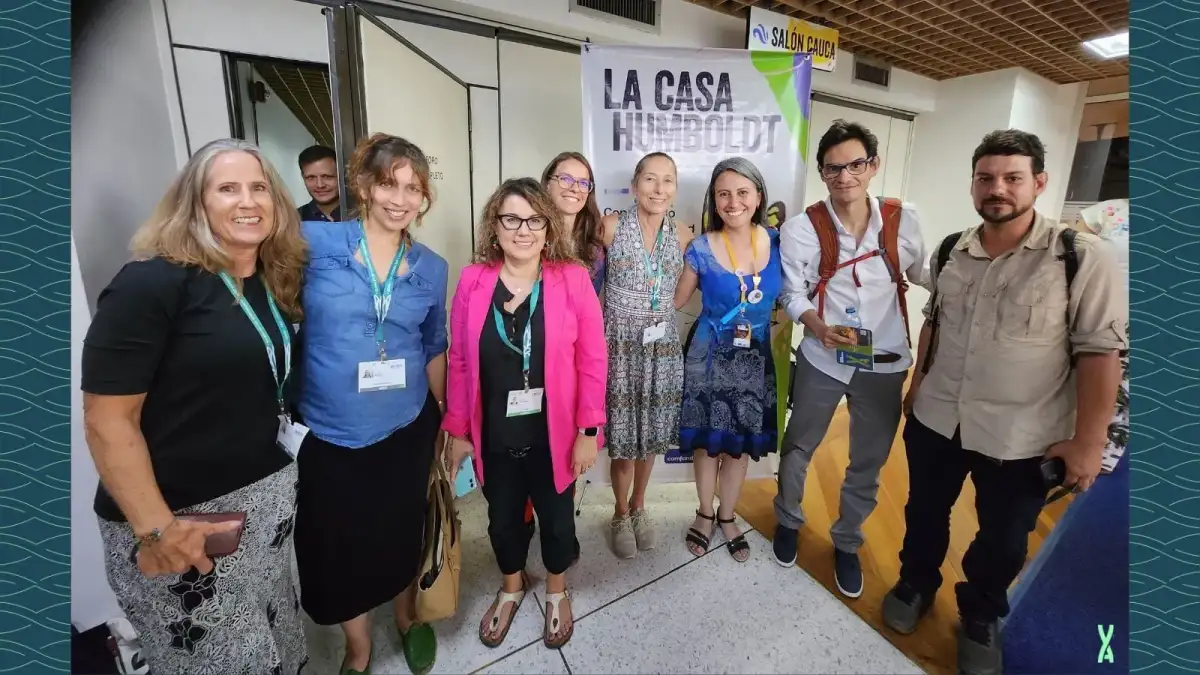
The field of conservation genomics is undergoing a critical transition as researchers increasingly acknowledge a foundational absence: the lack of formal ethical frameworks for managing nonhuman genomic data alongside Indigenous Data Sovereignty. While human genomic research has moved toward more rigorous ethical guidelines, conservation efforts—often involving data harvested from ecosystems and species culturally significant to Indigenous peoples—have historically operated without comparable mandates.
Current advocacy efforts are pushing to formalize this integration through:
The implementation of Traditional Knowledge and Biocultural Labels, allowing Tribes and communities to dictate how data regarding their lands and ancestral species is accessed, displayed, and reused.
The shift from extractive research models to holistic management, where genomic technologies are subservient to Indigenous-led conservation strategies.
Increased institutional partnerships, such as the Wise Ancestors initiative, which aim to link massive sequencing efforts like the Earth BioGenome Project with local oversight mechanisms.
Bridging the Ethics Gap
A primary tension exists between the global "open data" movement in biodiversity and the rights of Indigenous peoples to govern information pertaining to their biocultural heritage. Experts argue that nonhuman data is frequently treated as a common resource, ignoring the historical and social roles these species play within Indigenous territories.

| Focus Area | Current Practice | Proposed Shift |
|---|---|---|
| Data Control | Open access for all researchers | Indigenous-governed access protocols |
| Frameworks | Standard scientific institutional review | Integration of biocultural labels |
| Research Goals | Universal species preservation | Holistic, place-based ecosystem health |
Historical Context and Institutional Inertia
The current discourse reflects a long-standing disconnect between modern genomic ambitions—often characterized by large-scale, high-speed sequencing—and the long-term, community-based management of biodiversity. While institutions like the Carl R. Woese Institute for Genomic Biology and the University of East Anglia have begun documenting these oversights, the transition remains fragmented.
Read More: New Room Temperature Photon Source for Quantum Tech in Korea

Critics of existing protocols point to a systemic failure: researchers often bypass informed consent when collecting data from Indigenous lands, assuming the species—and therefore their genetic information—are public property. As of 2026, the intersection of gene engineering, restoration ecology, and ancestral knowledge has become a focal point of intense negotiation, particularly as high-stakes projects like genome engineering move from theory toward field application. These developments signify an attempt to realign scientific progress with the political and rights-based autonomy of the communities whose ancestral environments remain the primary sites of global biodiversity loss.