As of April 7, 2026, the convergence of generative artificial intelligence and physics-based simulations has become the primary mechanism for identifying novel peptides capable of neutralizing drug-resistant bacteria. By modeling these molecules as interacting spheres within simulated liquid environments, researchers are effectively bypassing the limitations of traditional, slow-growth pharmaceutical discovery.
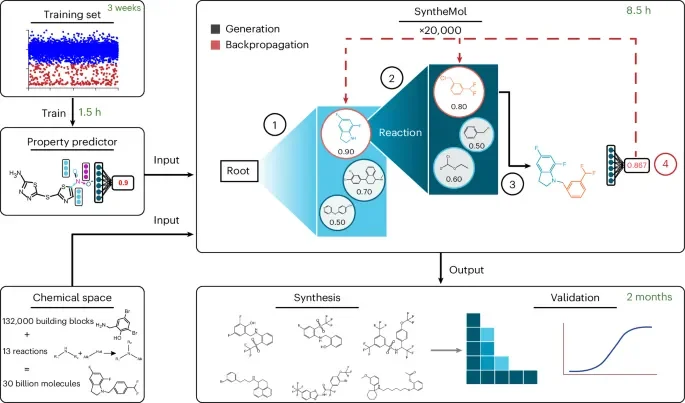
The core shift lies in the integration of algorithmic molecular generation with physical validation: models create candidate structures, which are then screened for their ability to physically disrupt bacterial membranes.
| Methodology Component | Technical Application | Goal |
|---|---|---|
| Generative Models | De novo molecule creation | Discover novel chemical structures |
| Physics Simulations | Soft-sphere atomic modeling | Predict physical membrane interaction |
| Chemical Filtering | Structural dissimilarity analysis | Mitigate rapid bacterial resistance |
Mechanics of the Computational Haystack
The fundamental challenge in modern pharmacology is the "haystack" problem: the vast chemical space available for potential antibiotics is too large for manual experimentation. Current approaches utilize:

Peptide Optimization: Focus on small chains of amino acids, which offer high specificity against pathogens.
Virtual Environments: Utilizing software engines to subject potential drug candidates to "in silico" pressure, mimicking the environment of an infected host.
SyntheMol Framework: A specialized pipeline that not only proposes molecular structures but generates the chemical recipes necessary for their actual laboratory synthesis.
Clinical Trajectory and Efficacy
Recent research has yielded tangible outputs against high-priority pathogens. Studies conducted through late 2025 confirmed that AI-derived compounds exhibit potency against Staphylococcus aureus (MRSA) and Neisseria gonorrhoeae. Unlike legacy approaches that often revisited existing drug classes, these models are instructed to favor structural novelty. By prioritizing chemicals that differ significantly from known antibiotics, scientists aim to slow the inevitable evolutionary leap of bacteria toward resistance.
Read More: Indigenous Data Rights Now Key in Conservation Genomics
Historical Context of Drug Resistance
The exhaustion of traditional antibiotics—many of which rely on older chemical foundations like penicillin—has accelerated the move toward computer-assisted design. The sector transitioned from basic screening (testing thousands of existing chemicals) to active generative design (creating compounds from raw data patterns) between 2024 and 2025.
While the laboratory successes against pathogens like Acinetobacter baumannii and MRSA represent a technical milestone, the translation from digital simulation to clinical practice remains a hurdle. The industry is currently moving away from brute-force experimentation toward a "predict-then-validate" model, where the physical interaction between a peptide and a bacterial membrane serves as the primary arbiter of potential drug success.
Read More: India IVF Costs And Social Barriers Limit Access In April 2026
See further: Generative AI in Drug Discovery and MIT-led antibiotic research.