
A recent report by the U.S. Secret Service details patterns observed in mass violence incidents, highlighting common stressors and characteristics of attackers. This research emerges as the agency also confronts public and congressional examination regarding security failures during a high-profile assassination attempt. The findings from the mass violence study offer insights into preventative measures, while separate investigations probe specific security breaches.
Secret Service Report Details Mass Violence Findings
The U.S. Secret Service has conducted an extensive review of mass violence incidents. The research, which examined data over a five-year period, aimed to identify common threads among perpetrators and understand the circumstances leading up to such events. The findings have been presented to community leaders and stakeholders.

Attackers' Stressors: A significant portion of attackers experienced stressful life events. These often occurred across various domains, including relationships, personal matters, employment, and legal troubles.
Triggering Events: In some cases, a specific event immediately preceded the attack, suggesting a potential precipitating factor.
Housing Instability: Over one-third of attackers experienced unstable housing within two decades of their incident.
Mental Health: More than half of the attackers showed signs of mental health symptoms before or during their attacks.
Financial Strain: A notable 72% of attackers faced financial stressors prior to their actions.
Weapon Use: Handguns were the most common weapon, used by approximately 72% of attackers, followed by long guns used by about one-third.
The Secret Service's research suggests a correlation between various life stressors—including financial difficulties, unstable housing, and mental health challenges—and the propensity for mass violence.
Read More: Third Teen Charged in Fatal Stabbing Near Melbourne Hospital on Wednesday
Scrutiny Following Assassination Attempt
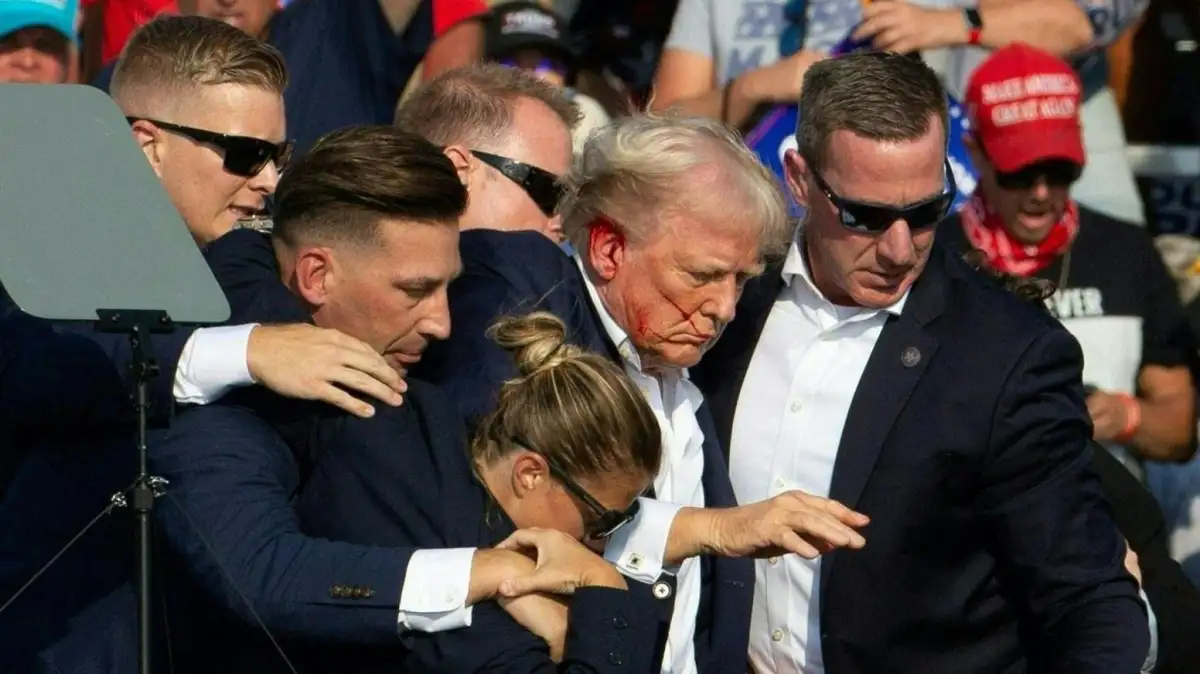
In parallel with the release of the mass violence report, the Secret Service has been under intense scrutiny following an assassination attempt on [Name Redacted]. Investigations into this incident have pointed to significant communication failures within the agency.

Communication Issues: A joint investigation by the Senate Homeland Security and Governmental Affairs Committee and the Permanent Subcommittee on Investigations revealed critical breakdowns in communication.
Radio Problems: Reports indicate that several Secret Service officials experienced chronic issues with their radios.
Delayed Information: In the instance of the assassination attempt, agents were reportedly alerted to a suspicious individual 27 minutes before the event. However, some key officials stated they did not receive this crucial information, with one counter-sniper being offered a local radio but unable to use it due to attempts to fix his own malfunctioning Secret Service radio.
Leadership Changes: The failures led to the resignation of the agency's previous director, Kim Cheatle. The current director, Mr. Rowe, has publicly stated that the events have taken a mental toll on him and his agents, and he has outlined plans for internal communication reforms and improved collaboration with local law enforcement.
Separate inquiries into the assassination attempt have identified substantial communication deficiencies within the Secret Service, including radio malfunctions and the failure to disseminate critical information in a timely manner.
Broader Implications for Violence Prevention
The Secret Service's findings on mass violence extend beyond operational insights, suggesting broader community and workplace responsibilities.
Early Intervention: The report encourages communities to intervene early when warning signs of violence are observed.
Workplace Programs: Businesses are advised to implement workplace violence prevention plans, including behavioral threat assessment programs.
Law Enforcement Collaboration: The agency recommends that businesses foster proactive relationships with local law enforcement to collaboratively address concerns about potential violence.
Misogyny and Domestic Violence: The report also highlights a connection between domestic violence, misogyny, and mass attacks.
The Secret Service's analysis emphasizes the importance of community-based early intervention and the establishment of robust threat assessment programs within workplaces to mitigate the risk of mass violence.
Expert Analysis and Official Statements
Lina Alathari, director of the center that released the report, stated during a news conference, "It’s just happening way too often." She noted that while the specific recent shootings were not part of the study, recurring themes are evident across mass attacks.
Read More: US 250th Anniversary: Pride Divided by Politics

Director Mr. Rowe has acknowledged the significant impact of security failures on agency personnel, indicating a deep concern within the leadership about preventing future incidents. The agency is reportedly exploring new technologies, such as drones, to address evolving threats.
Conclusion
The Secret Service's comprehensive report on mass violence provides a data-driven look at the complex factors contributing to such incidents. The findings underscore the need for multifaceted prevention strategies involving community awareness, mental health support, and proactive threat assessment. Concurrently, the agency is addressing internal shortcomings, particularly in communication systems, revealed by recent security breaches. These parallel developments highlight the ongoing challenges in both understanding the roots of violence and ensuring the security of individuals and events under the Secret Service's protection.
Sources
United States Secret Service: https://www.secretservice.gov/newsroom/releases/2023/01/new-secret-service-research-examines-first-time-five-years-mass-violence
AP News: https://apnews.com/article/us-secret-service-crime-violence-de9028224182ae1dc9e949445ea86077
CBS News: https://www.cbsnews.com/news/secret-service-analysis-173-mass-casualty-attacks/


/cloudfront-ap-southeast-2.images.arcpublishing.com/nzme/RVI7RFHOI34HTKKRUG3LS6DNVY.jpg)