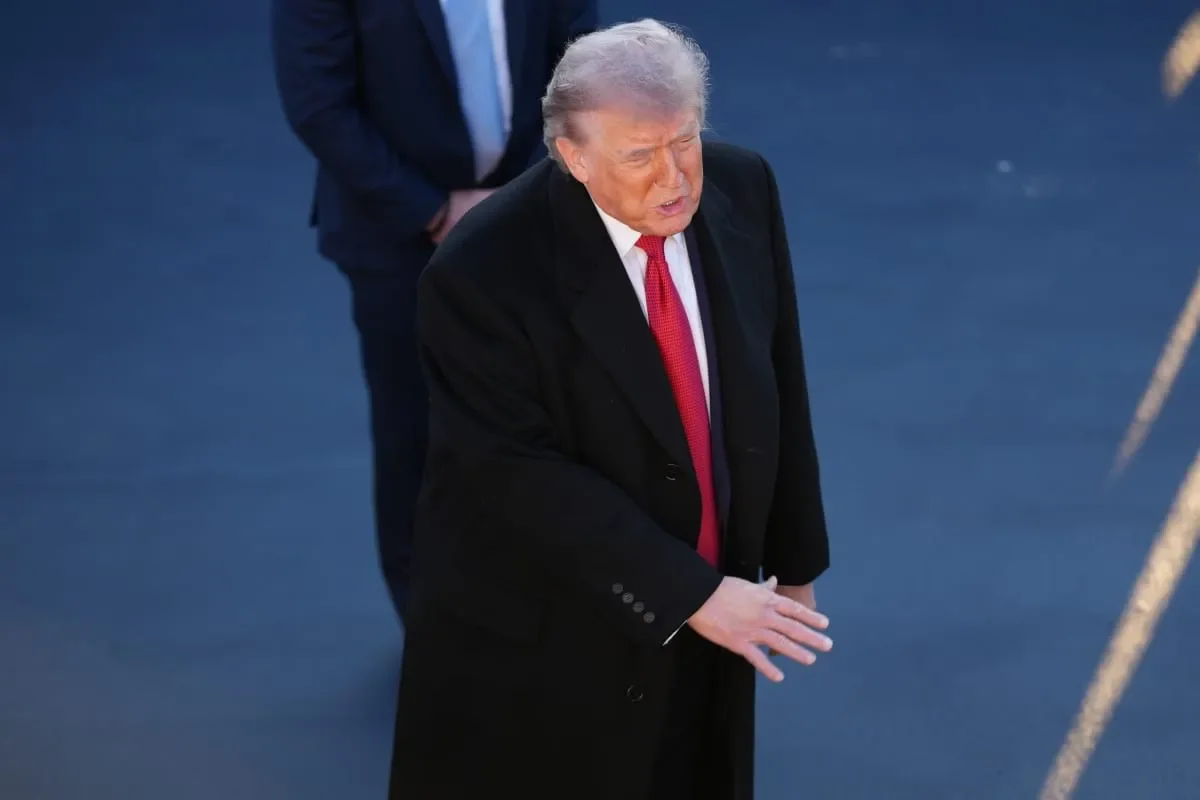
Donald Trump has resurfaced his long-standing criticisms of the US justice system, reiterating claims of being targeted for years and branding former FBI Director James Comey a "dirty cop." These remarks coincide with renewed attention on investigations and legal proceedings involving both Trump and Comey.
Trump asserts that investigations preceding his presidency, particularly concerning the FBI's Russia probe, were part of a sustained effort to undermine him. He specifically accused Comey of being instrumental in driving these inquiries. Comey, for his part, has consistently maintained the FBI's actions were warranted and has previously pushed back against accusations of political bias.
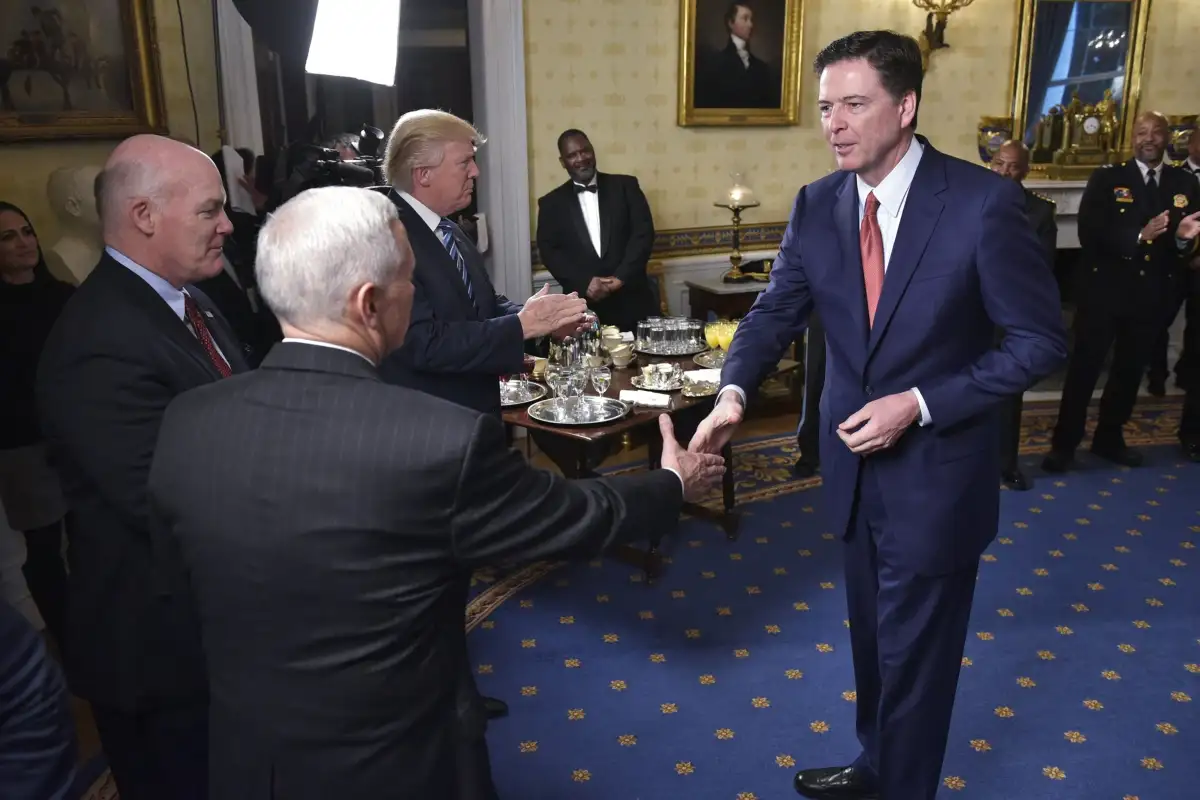
The former president's recent pronouncements have drawn a sharp response, with Trump specifically decrying Comey's explanation of a social media post containing the numbers "8647." Trump interprets this sequence as a coded message meaning "kill him," a claim he has linked to an assassination attempt he survived last year.
Read More: Taiwan Holds Nantou County Drills to Prepare for State Collapse
"Everybody knew it. The only problem is for him, he didn't think he'd be caught, and he got caught."
This framing of the "8647" post, which Comey later removed and explained was not intended to promote violence, has become a focal point for Trump's renewed accusations. He contends Comey lied under oath about authorizing an anonymous source, and that the indictment against Comey is about uncovering "long-standing corruption" rather than seeking personal retribution.
Comey himself has defended his actions, posting a statement on his Substack account addressing the charges. These developments unfold against a backdrop of ongoing legal battles, including the indictment of Comey and challenges to dismissals of federal employees, some of whom were appointed during Trump's tenure. The legal implications for both men and the broader federal judiciary remain significant.