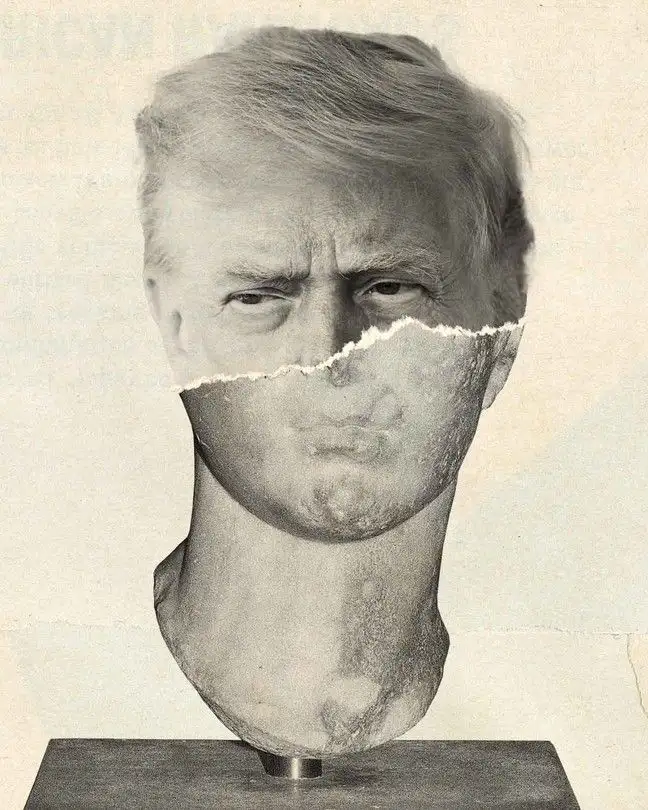
Donald Trump is reportedly no longer aiming to be compared with historical American presidents like George Washington or Abraham Lincoln. Instead, his alleged aspiration is to join the ranks of powerful, empire-building figures such as Napoleon Bonaparte and Julius Caesar. This shift suggests a focus on a legacy of absolute authority and historical dominance, moving beyond traditional benchmarks of presidential achievement.

The core of this reported ambition lies in Trump's alleged desire to be recognized as one of history's "great men," drawing parallels to rulers who profoundly reshaped their eras through decisive, often autocratic, action. This narrative emerged from sources speaking about Trump's current mindset, indicating a departure from previous self-assessments and a turn towards figures known for conquest and sweeping, unassailable power.
Echoes of Imperial Rhetoric and Judicial Clashes
Recent weeks have seen a pattern of Trump invoking figures and philosophies associated with expanded executive power, leading to comparisons with historical dictators. A notable instance involved a social media post stating, "He who saves his Country does not violate any Law." This statement, frequently attributed to Napoleon, has been interpreted by critics as a justification for circumventing legal or judicial checks on his authority.
Read More: Taiwan Holds Nantou County Drills to Prepare for State Collapse
The context for these statements often involves clashes with the judiciary. Critics have voiced concerns about Trump's administration's actions and rhetoric concerning judges and the rule of law, particularly following rulings that have stalled or blocked executive initiatives.
Reports highlight that Trump's second presidency has been marked by an aggressive use of executive actions and a questioning of the legitimacy of judicial oversight. This has fueled fears of a constitutional crisis among some observers.
The comparisons are not new. Throughout his political career, Trump has been likened to various historical figures, including ancient Roman leaders like Caesar, often in discussions about his leadership style and approach to power.
Broader Historical Frameworks and Political Strategy
The "great man" theory of history, which posits that pivotal individuals drive historical change, has been invoked to understand Trump's impact. This perspective suggests that figures like Trump, by disrupting existing orders, create irreversible shifts in the political landscape, leaving little room for a return to the status quo ante.
Some political strategists observe that Trump's actions can appear politically irrational to those outside his core support. The emphasis on "legacy" itself is reportedly not a term Trump favors, with his focus often described as being on immediate political battles rather than long-term historical positioning.
Despite the intensity of these comparisons and critiques, there are accounts of individuals remaining seemingly unaware of Trump's more controversial pronouncements or actions, highlighting a persistent disconnect in public perception.