The US House of Representatives has approved a bill to fund much of the Department of Homeland Security (DHS), bringing a close to a protracted shutdown. The measure, which excludes funding for immigration enforcement operations, passed by voice vote on Thursday, effectively ending a shutdown that had stretched for 76 days, the longest in history.
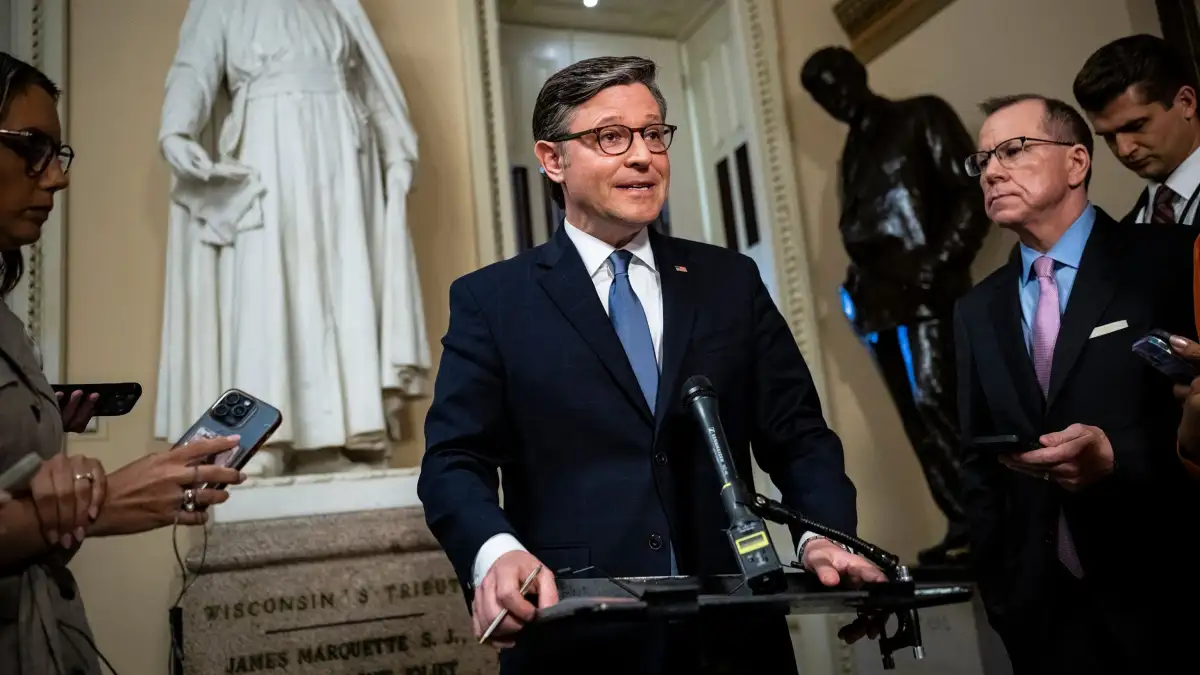
The legislation now moves to President Trump for his signature. This vote signifies a split in funding, with most DHS agencies, including the Transportation Security Administration (TSA) and the Secret Service, secured, while the contentious issue of financing for Immigration and Customs Enforcement (ICE) and Customs and Border Protection (CBP) remains unresolved. This approach aims to resolve the immediate operational needs of the department while deferring the more politically charged debates surrounding immigration enforcement policies.
Republicans, after initial resistance, ultimately acceded to passing the Senate-backed bill. Speaker Mike Johnson had previously delayed a vote, citing concerns over language that he felt undermined law enforcement. However, he relented after the House passed a budget resolution establishing a pathway for future funding of ICE and CBP, a move that appeased conservative factions.
Read More: Taiwan Holds Nantou County Drills to Prepare for State Collapse
Democrats had been steadfast in their refusal to allocate funds for immigration enforcement without accompanying reforms to detention and deportation practices. This stance was partly fueled by public outcry following the deaths of citizens Renee Nicole Good and Alex Pretti, which highlighted concerns about current policies. The passage of the Senate bill, which omits funding for ICE and CBP, therefore aligns with their demand for a separate battleground on these specific immigration enforcement arms.
The shutdown had impacted various government functions, affecting disaster aid and airport security services nationwide. Some employees, particularly within agencies not covered by the current bill, had relied on executive actions to ensure their paychecks. This legislative move aims to restore stability to the majority of DHS operations through September.