

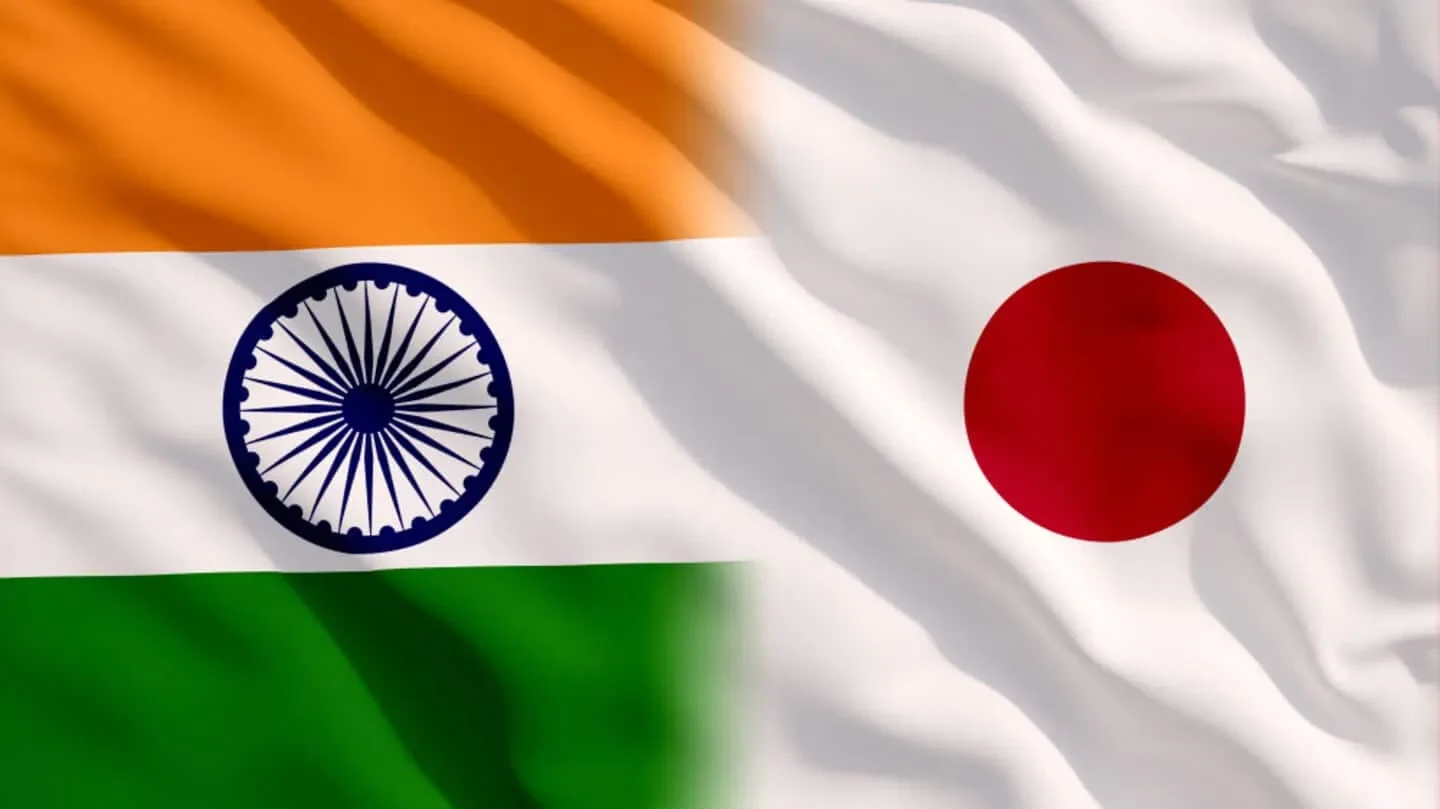
At the 16th India–Japan Annual Summit in New Delhi, Prime Minister Narendra Modi and Japanese Prime Minister Sanae Takaichi finalized over 100 business agreements. This diplomatic push aims to pivot India’s manufacturing and resource dependencies away from China toward a solidified bilateral framework.
Core agreements focus on reducing supply chain vulnerability via joint critical mineral exploration, the integration of semiconductor supply lines, and a high-stakes collaborative lunar mission.
The shift encompasses:
Strategic Industrial Cooperation: A roadmap for economic security that emphasizes the pooling of critical minerals and the scaling of domestic semiconductor production.
Space and Technology: A formal agreement between ISRO and JAXA for the Chandrayaan-5 mission to the lunar south pole, coupled with a "Digital Partnership 2.0" targeting AI, IoT, and digital public infrastructure.
Sustainability and Rural Development: The India–Japan Biogas Initiative, aiming for 1,000 plants across rural India, alongside unconventional agricultural partnerships involving the cultivation of shiitake mushrooms and strawberries.
Financial Penetration: Enhanced involvement from Japanese financial institutions, including Sumitomo Mitsui and Mitsubishi UFJ, to provide capital for the broader 2035 integration roadmap.
The Geography of Dependencies
India’s long-standing reliance on Chinese manufacturing and raw material inputs remains the primary tension beneath these agreements. The move toward Tokyo is a tactical diversification effort. By aligning with Japanese technical standards—specifically through the deployment of Shinkansen rail technology and long-term human resource exchange programs—New Delhi is betting on a decade-long transition to reduce exposure to Beijing.
Read More: FIFA World Cup 2026 Revenue Reaches $15 Billion With New Ticket Prices
"I was just referred to as ‘a beautiful little sister’," Prime Minister Sanae Takaichi remarked, signaling a shift in rhetoric that mirrors the intensified pace of bilateral business integration.
Strategic Roadmap: 2026–2035
| Sector | Objective | Timeline |
|---|---|---|
| Energy | Biogas/Green Hydrogen/Ammonia | Through 2035 |
| Digital | Semiconductor/AI/ICT Infrastructure | Ongoing |
| Logistics | Shinkansen Rail Expansion | Early 2030s |
| Human Capital | Exchange of 500,000 personnel | Next 5 Years |
The agreements move beyond standard diplomatic Memorandums of Cooperation to target direct resource extraction and processing. For India, this represents a structural pivot toward the 'Quad' nations’ tech-spheres; for Japan, it offers a necessary manufacturing offset as it navigates its own regional security anxieties. The success of this Special Strategic Partnership now hinges on the rapid execution of the proposed supply chain stockpiling and the ability to scale technology transfers before mid-decade markers are reached.


