Excavations Reveal Public Input in Governance
Evidence unearthed at Ucanal, Guatemala, a significant Lowland Maya center, indicates that public opinion began to hold sway over Maya divine kings more than a millennium ago. The emergence of colonnaded open halls during the Terminal Classic period (circa 800-1000 AD) suggests these structures facilitated a more cooperative form of governance, fostering greater civic engagement and consequently amplifying the influence of ordinary people in political matters.
These newly identified structures, likely serving as council houses, provided spaces for political leaders—including kings, nobles, and lineage heads—to convene. Discussions within these halls reportedly covered governmental decisions, judicial matters, and preparations for significant social events such as weddings and dances. This architectural development points to a move away from a strictly divine kingship model towards a more consensus-driven political landscape.
The Evolving Role of Maya Rulers
Historically, Maya kings were perceived as divine intermediaries, bridging the gap between the gods and their populace. Their authority was bolstered through elaborate rituals, cementing their perceived mandate over their territories. Success in warfare could further enhance a ruler's standing and their assertion of divine authority. Religion was intrinsically woven into the fabric of Maya governance, influencing daily life, social hierarchies, and interactions between city-states. The belief that gods actively participated in human affairs, from agriculture to the fate of rulers, underscored the intertwined nature of religious and political systems.
Read More: 5,900-Year-Old Child Skull Found in Norway Cave
Architectural Expressions of Maya Civilization
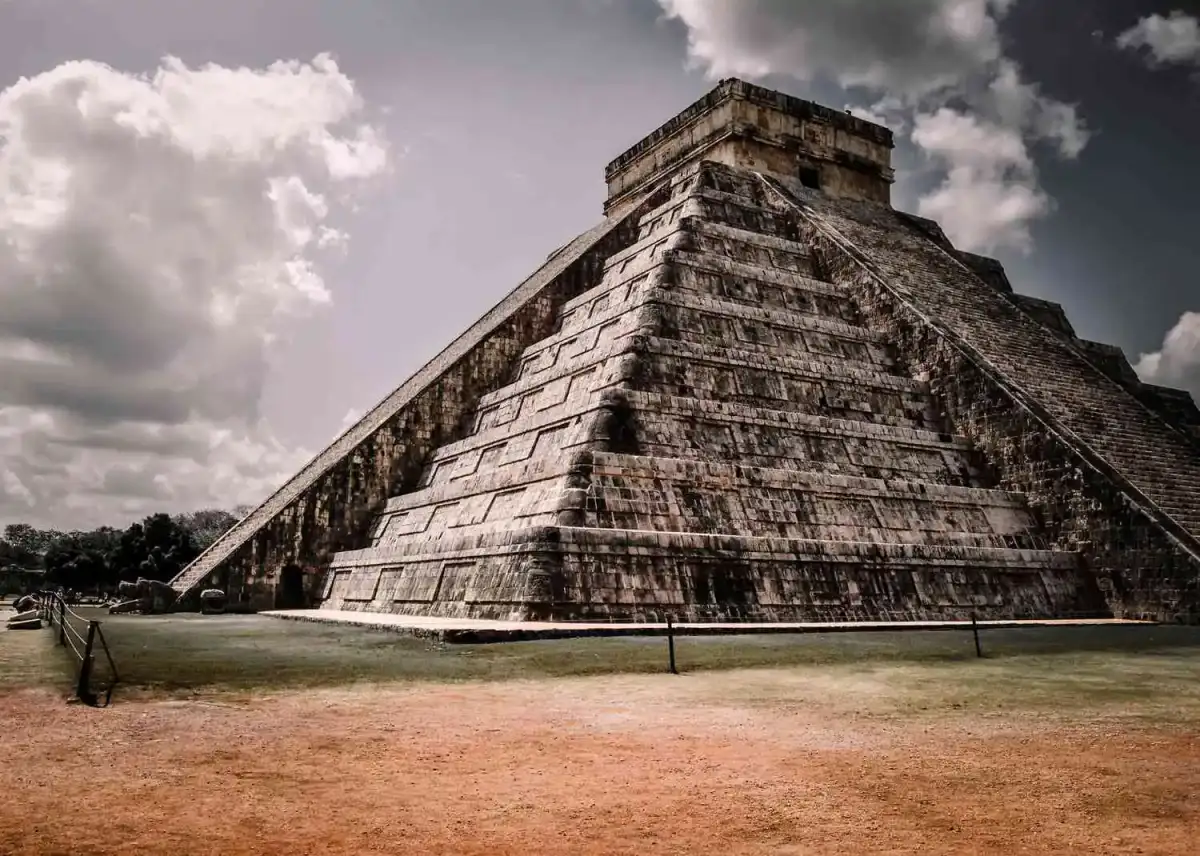
Maya architecture, renowned for its distinct styles and enduring legacy, encompassed more than just functional edifices. It was also deeply symbolic. Cities were often meticulously planned around central plazas, featuring a concentration of important structures. This included grand temples, pyramids, palaces, and administrative buildings, alongside residential areas and markets. The arrangement of these urban centers, with palaces and temples at their core and common residences situated peripherally, reflected the social stratification of Maya society. Many of these monumental constructions, particularly temples and pyramids, were oriented to align with significant astronomical events, showcasing the Maya's advanced understanding of astronomy. While styles like Puuc architecture are well-documented, lesser-known forms such as Izamaleño Megalitico also contribute to the rich tapestry of Maya architectural achievements.
Read More: St. Augustine's ideas on justice help explain US politics