This year marks the centennial of 'the Mother Road,' US Route 66, a thoroughfare etched into the American consciousness. While newer, more direct highways now crisscross the nation, the enduring allure of Route 66 persists. Its vintage neon signs, restored diners, and classic motor lodges continue to draw travelers, transforming a highway once synonymous with hardship into a celebrated quintessential American road trip. The road, which officially turns 100 on November 11, 2026, is experiencing a revival, with states and communities leveraging the anniversary for cultural preservation and economic revitalization.
The centennial celebrations are not merely nostalgic gestures but also catalysts for renewed interest and investment in the communities along the route. This has manifested in the restoration of historic neon signage, the reopening of retro-era motels, and a slate of events across its eight states and three time zones. Albuquerque, New Mexico, stands out with the longest intact urban stretch of the route, undertaking significant restorations along Central Avenue. Texas is also positioning itself as a Route 66 hub, with California preparing for statewide festivities.
Read More: Margaret River Named World's Best Wine Place

A Road of Shifting Meanings
Originally established in 1926, Route 66 was conceived as a vital artery connecting Chicago to Santa Monica, California. It served as an escape for those fleeing the Dust Bowl's devastation in the 1930s, carrying them westward in search of a better life. Over decades, its role evolved, becoming intertwined with the American cultural landscape, inspiring literature, music, and a unique roadside attraction culture. The highway’s strategic placement, following historical trails and running parallel to railways, ensured its early significance. Its position along the 35th parallel offered a balanced climate, avoiding the extremes of deep northern snows and unbearable southern summers.
Read More: St. Augustine's ideas on justice help explain US politics

The rise of the interstate highway system, particularly in the mid-1950s, began to erode Route 66's dominance. Sections were bypassed, leading to neglect and decline for many communities that had relied on its traffic. However, this decline also preserved elements of its past, creating a historical tapestry that now fascinates modern-day explorers. The presence of over 250 structures listed on the National Register of Historic Places along the highway attests to its enduring historical and architectural significance.

Local Celebrations and Enduring Attractions
Across the 2,448 miles, towns are gearing up for a variety of centennial events. Oklahoma, for instance, is hosting the Tulsa AAA Route 66 Road Fest and the Miami Route 66 Mural Fest, alongside local festivals in Sapulpa and Geary. Missouri is noted for its authentic roadside attractions, with pop-up exhibits planned in smaller towns like Cuba, Lebanon, and Rolla. The Quapaw Tribal Festival in Oklahoma aims to integrate Native American heritage with Route 66 traditions.
Read More: Belagavi and Goa Forests Closed Until Monsoon Ends
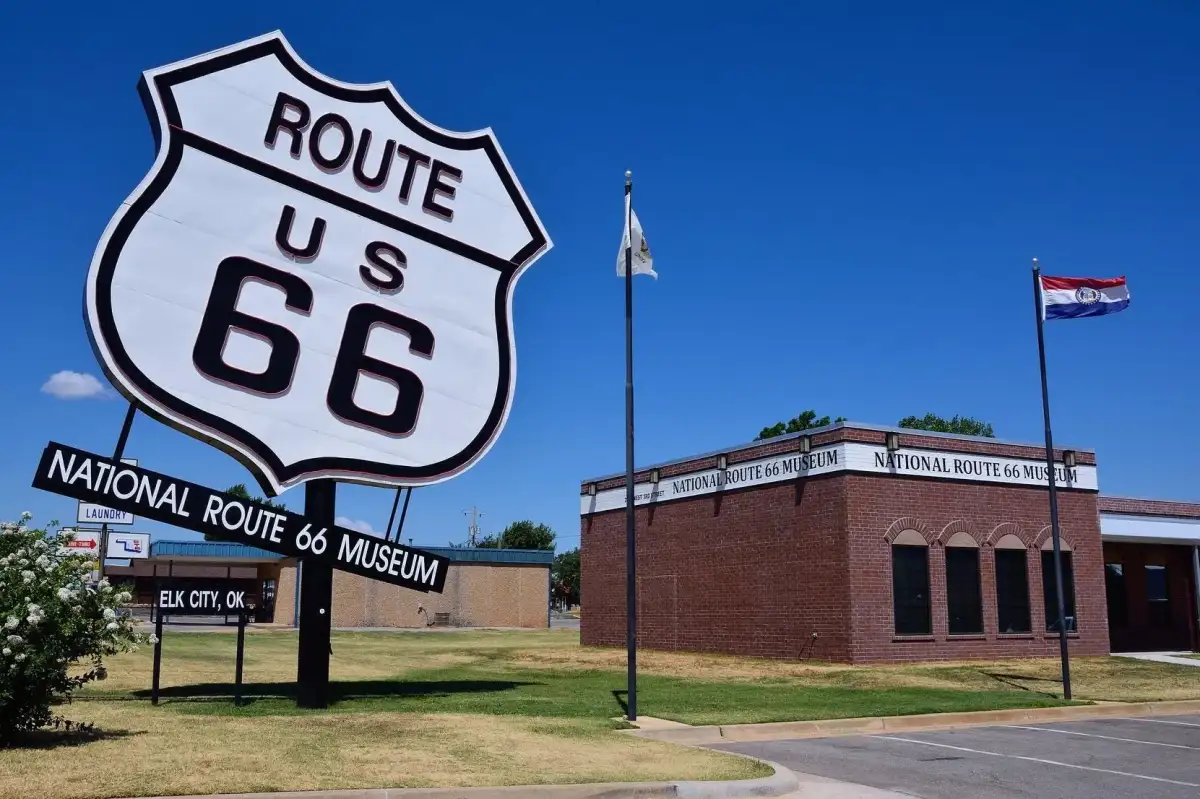
The road remains dotted with landmarks that continue to captivate: from the historic McDonald’s Museum in San Bernardino, California, preserving the appearance of the original restaurant, to the Elk City Museum complex in Oklahoma, one of the country's most extensive tributes to the route. Even sites not directly on Route 66, like the Gateway Arch in St. Louis, have become associated with the journeys it enabled.
The narrative of Route 66 is one of constant transformation, from a path of necessity for struggling families to a symbol of American mobility and adventure, and now, a recognized historical and cultural treasure. It embodies a particular strand of American identity, one that celebrates freedom, the open road, and the enduring appeal of nostalgia, even amidst its fragmented and often neglected stretches.
Read More: The Plot Against America Miniseries Discussed in April 2026