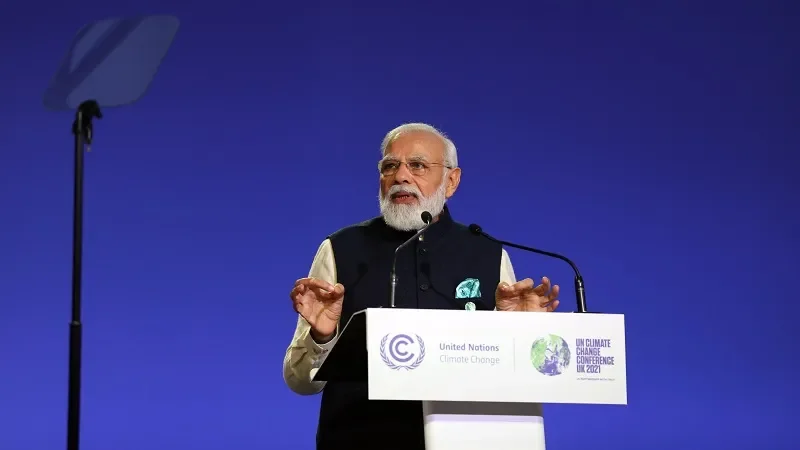
India has officially communicated its withdrawal from its offer to host the 33rd Conference of the Parties (COP33) climate summit, scheduled for 2028. The decision, conveyed to the United Nations Framework Convention on Climate Change (UNFCCC)'s Asia-Pacific Group on April 2nd, marks a significant shift after Prime Minister Narendra Modi had initially proposed hosting the event at COP28 in Dubai in December 2023. The environment ministry, though not issuing a public statement, has confirmed the communication of this withdrawal to the relevant international body.

The move follows a period of internal government deliberation concerning India's engagement in multilateral climate forums. Sources indicate that potential political blowback, particularly in light of the United States' evolving stance on climate change under the Trump administration, was a key consideration. Furthermore, there were apprehensions that a perceived failure to deliver a universally successful summit could have negative electoral consequences. Despite withdrawing its hosting bid, India maintains its commitment to the UNFCCC and the Paris Agreement, vowing to continue constructive engagement on climate action.
Read More: Asian Carp Jump, Injure Boaters in Central Illinois Waterways
Reasons Behind the Decision
The withdrawal appears to stem from a complex interplay of factors, moving beyond a simple declaration of intent. India has opted against seizing a platform to showcase its renewable energy and electric mobility advancements, and to champion the cause of the Global South. This decision contrasts with the usual timeline for selecting COP venues, which are typically confirmed two years in advance. South Korea has emerged as a potential alternative host for COP33 within the Asia-Pacific region.
Some commentators have deemed the withdrawal a "sensible move," though specific official justifications remain largely undisclosed. The timing of the decision also coincides with India's heightened focus on pressing regional diplomatic initiatives and substantial domestic infrastructure projects, which are demanding significant administrative and logistical attention. The nation's leadership appears to be prioritizing stability, peace, and sustainable development over organizing large international conferences at this juncture.
Read More: Senator Vance's Nuclear Remarks in Budapest Cause Outrage
Shifting Landscape and Past Commitments
This withdrawal occurs against a backdrop of increasing global scrutiny on the climate actions of host nations, which are expected to lead by example. The global climate negotiation landscape has been significantly altered by recent events, exacerbating divisions between countries on critical issues. This context, coupled with concerns about the adequacy of India's latest Nationally Determined Contribution (NDC) and calls for greater climate ambition, may have contributed to the reconsideration of hosting duties.
The initial proposal to host COP33 was seen as an effort by India to solidify its position as a leader for the Global South on climate matters. The Union Ministry of External Affairs had previously confirmed the Prime Minister's proposal, and a dedicated COP33 Cell was established within the environment ministry in July 2025 to manage preparatory work. The decision to withdraw, therefore, represents a notable departure from these earlier preparations and signals a recalibration of national priorities in the international climate arena.
Read More: Cyclone Devastation Great Barrier Reef Fish Numbers Drop Significantly