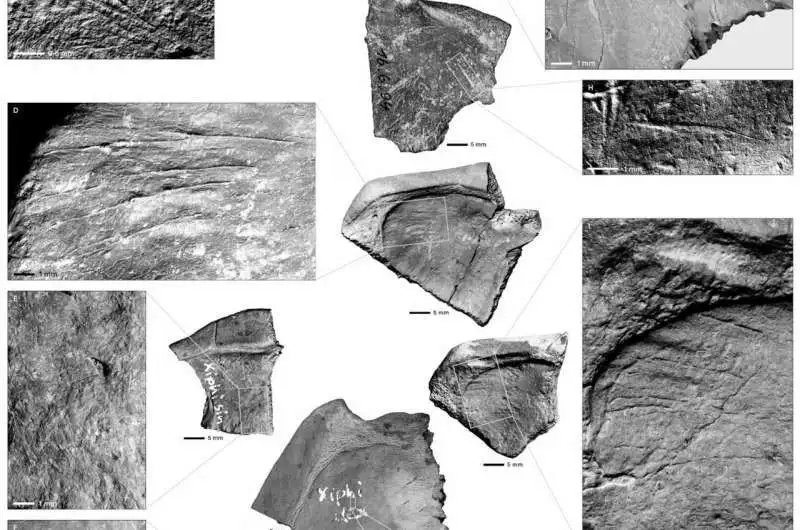
Evidence suggests Neanderthals in Central Europe, approximately 125,000 years ago, hunted pond turtles primarily for their shells, repurposing them into tools rather than consuming the animals. Researchers examined 92 turtle shell fragments from the Neumark-Nord site in Germany. Cut marks on the carapace and plastron fragments, particularly on the interior surfaces, indicate deliberate manipulation. These shells were likely fashioned into small containers or scoop-like implements.
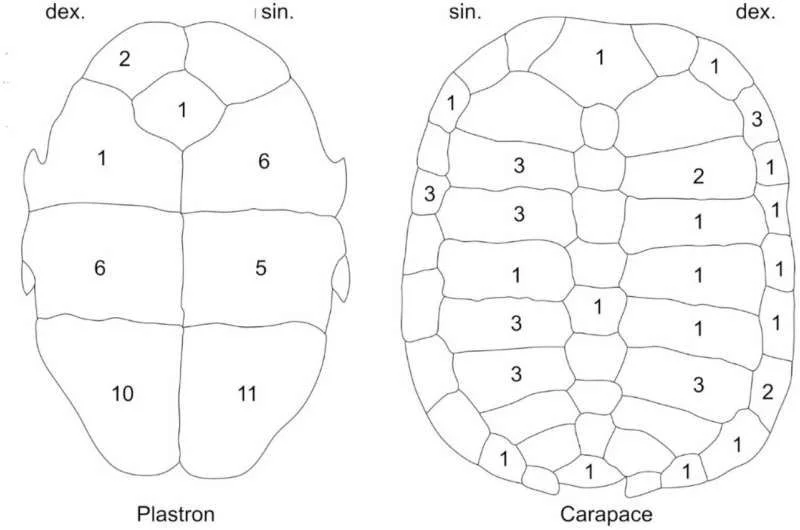
The international research team emphasizes that turtles were not a significant food source for these Neanderthals. This conclusion is supported by the site's rich abundance of animal remains, including bones from deer, cattle, horses, and the massive European straight-tusked elephant, which could weigh over ten tons.
"We can virtually rule this out given the abundance of remains from large, high-yield prey animals at the site. There was in all likelihood a complete caloric surplus," stated Gaudzinski-Windheuser.
This finding challenges a sole focus on "caloric maximization" and points to a more complex array of survival strategies employed by Neanderthals, demonstrating their ecological flexibility. The practice of utilizing turtle shells for tools appears to stand apart from their large-scale hunting and fat extraction operations, described by some as a "fat factory" for processing the bones of large mammals. The specific use of these shell fragments as tools, such as ladles or containers, is a novel insight into Neanderthal resourcefulness.
Read More: 5,900-Year-Old Child Skull Found in Norway Cave

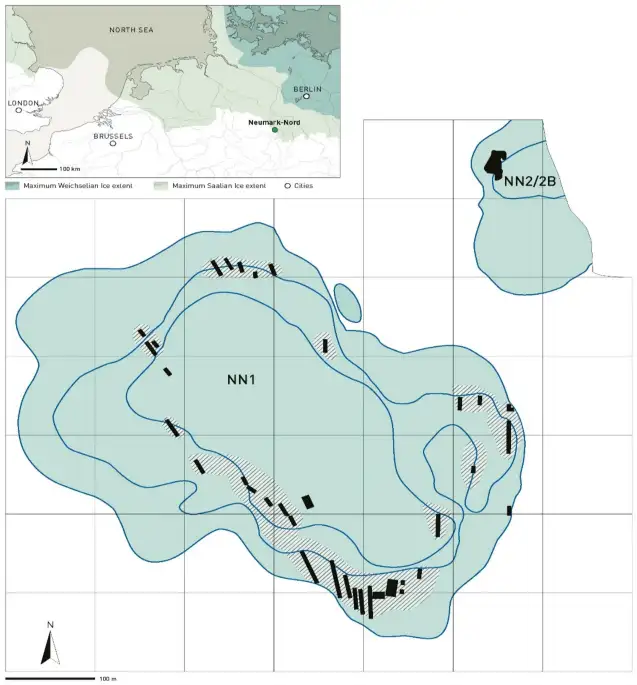
The Neumark-Nord site, once an open-cast lignite mine, has yielded over 100,000 animal bones and fragments, painting a picture of a landscape with abundant large prey. The turtle assemblage presents an "interpretive problem" against this backdrop of megafauna exploitation, suggesting a deliberate, non-subsistence-driven procurement of these smaller reptiles.

The European pond turtle, Emys orbicularis, was the species targeted. Analysis included high-resolution three-dimensional scanning of the shell fragments. While some reports mention radiocarbon dating of turtle shells from similar German locations to between 50,000 and 42,000 years ago, the Neumark-Nord findings specifically date to around 125,000 years ago, during the Last Interglacial period.