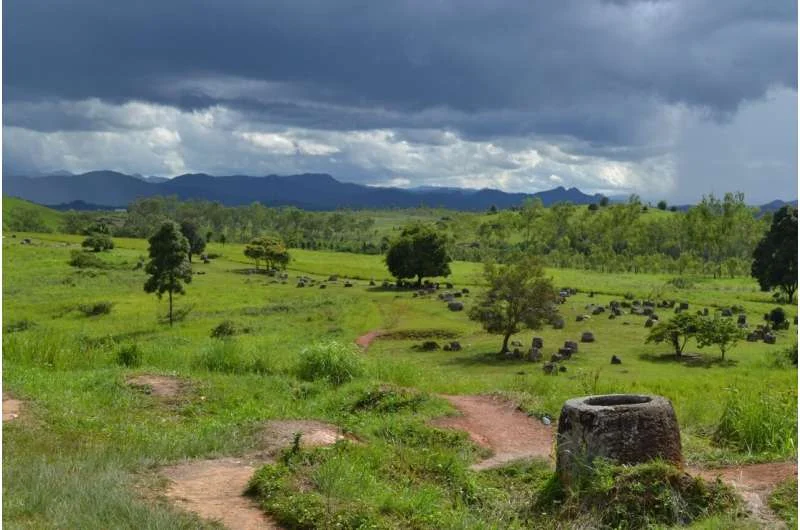
Recent scientific expeditions to Laos' Xiangkhouang region have unearthed further clues, yet the fundamental questions surrounding the enigmatic 'Giant Jars'—their creation, purpose, and makers—remain largely unaddressed. Investigations involving archaeological digs, drone surveys, and advanced dating techniques have confirmed the presence of numerous stone vessels, some exceeding ten feet in height. These ancient artifacts, alongside discovered human remains and burial goods, point to a complex funerary practice, though the specific cultural identity and technological capabilities of the people responsible are still subjects of ongoing inquiry.
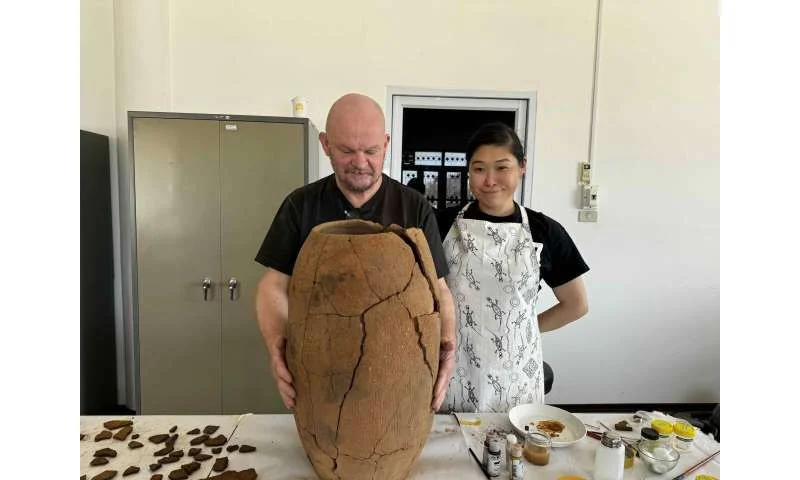
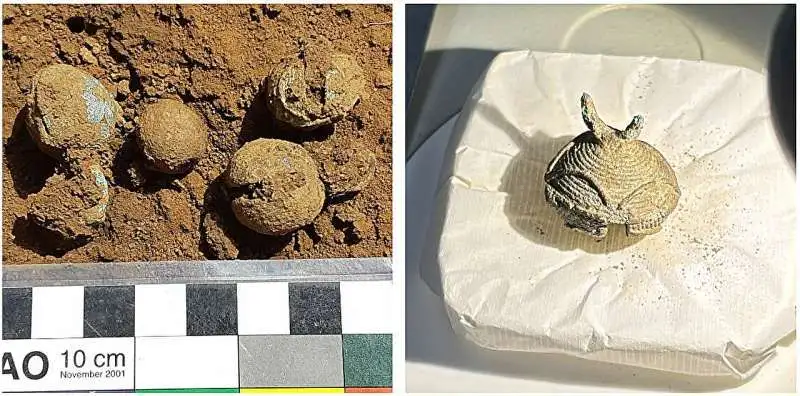
Researchers have detailed findings from recent field seasons, highlighting the meticulous work of conservation. Metal artifacts and glass beads, retrieved from burial sites, underwent specialized treatment at the Robert Cripps Institute for Cultural Conservation in Melbourne, Australia. Conservation materials were sourced from both Laos and Australia, underscoring an international collaborative effort.
Read More: 5,900-Year-Old Child Skull Found in Norway Cave

Unearthing the Sites
Recent expeditions have expanded the known landscape of these ancient sites. Between February and March of 2026, archaeologists documented existing jar locations and actively searched for new ones. This fieldwork led to the identification of 15 new jar sites, collectively holding 137 ancient stone jars. These discoveries were primarily situated in forested and mountainous terrain surrounding the main Plain of Jars, spread across a vast area. Many of these sites typically contain fewer than 60 carved stone jars.
A Glimpse into the Past
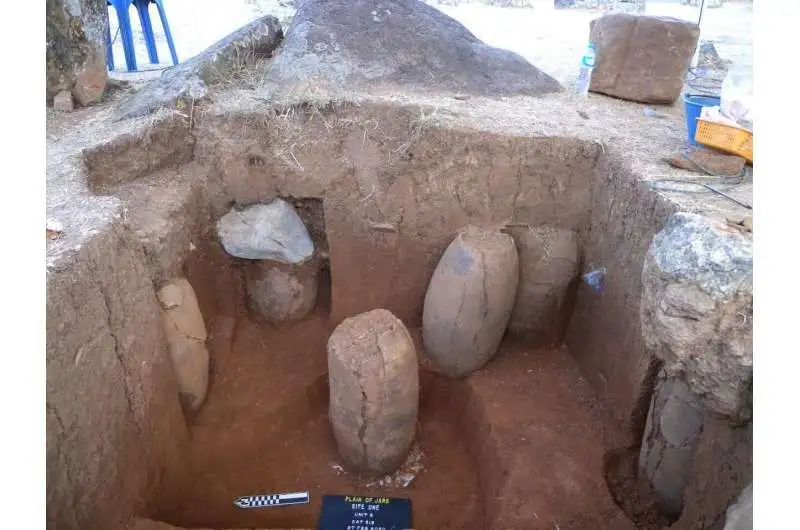
Among the most significant finds are human remains discovered within and around the jars, believed to be approximately 2,500 years old. These burials suggest the jars were integral to funerary rituals. Researchers also found miniature clay jars that mirrored the design of the giant stone ones, interred with the deceased. These parallel artifacts add another layer to the ongoing puzzle.
Read More: Laos Cave Rescue: Heavy Rain Delays Search for 2 Missing Gold Seekers
The Enduring Mystery
Despite these advancements, the core enigma persists. The identity of the stone carvers, the timeline of their construction, and the logistics of transporting these massive vessels continue to elude definitive answers. While scientific methods like radiocarbon and luminescence dating have been employed, the precise origins and the societal context of the Plain of Jars remain shrouded in mystery. Each excavation and restored artifact offers incremental progress, inching researchers closer to understanding the people who shaped this remarkable archaeological landscape.