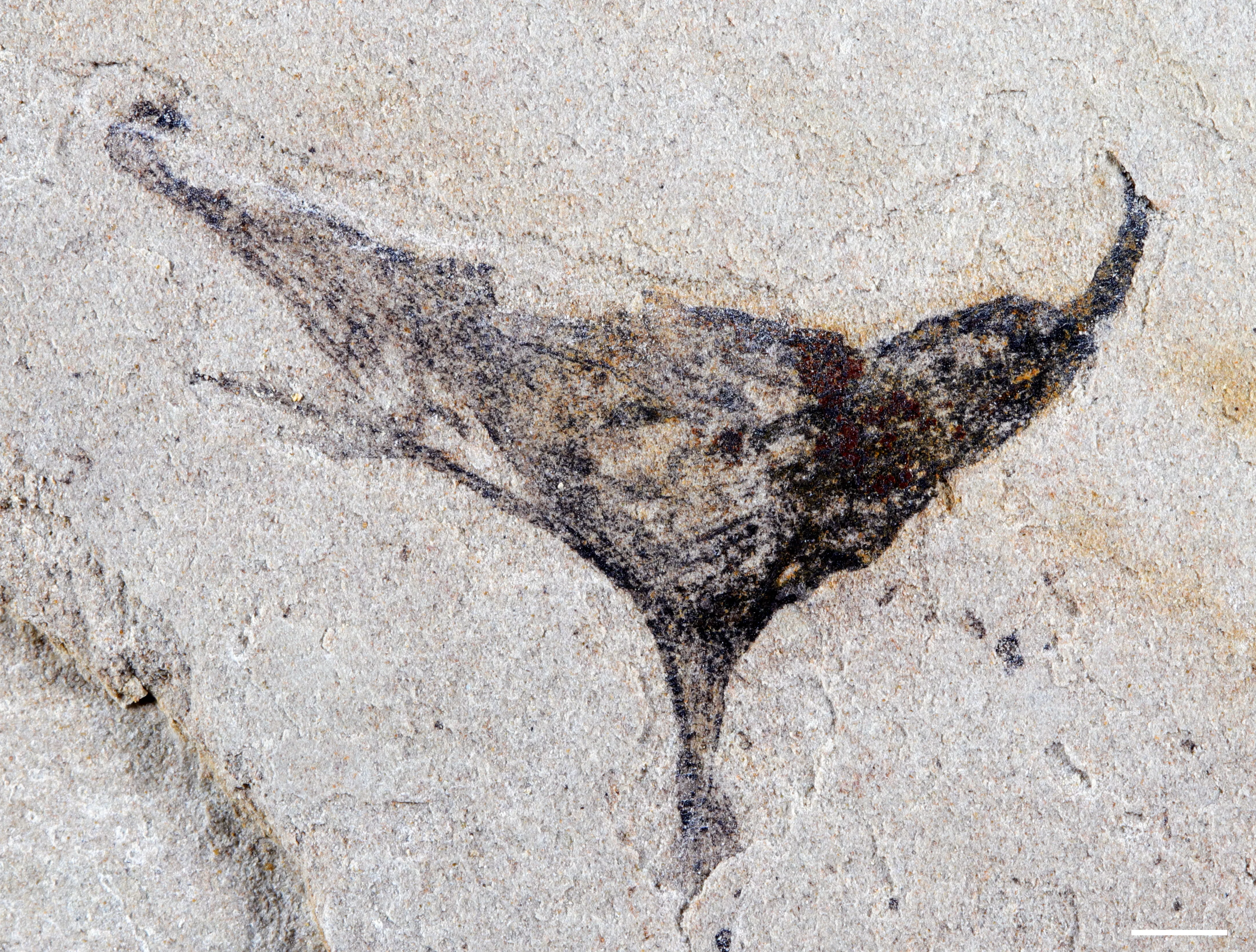
New Discoveries Point to Earlier Emergence of Complex Organisms
Hundreds of fossils uncovered in southern China’s Yunnan province suggest that complex animal life emerged millions of years earlier than previously understood, potentially shifting our understanding of a pivotal moment in Earth's history. These remnants indicate that organisms with traits scientists previously associated with the Cambrian period, which began around 541 million years ago, were already present and thriving during the earlier Ediacaran period. The unearthed fossils include worm-like animals exhibiting bilateral symmetry – a feature common in many modern creatures, including humans – and possibly even early comb jellies.
This trove of discoveries provides an unprecedented glimpse into the transition from simple life forms to the more intricate creatures that would eventually diversify and dominate the planet. Previously, the fossil record offered limited concrete evidence of this evolutionary leap, leaving a significant gap in our comprehension of how and why complex life proliferated. The current findings challenge established timelines and prompt further investigation into the origins of these multifaceted organisms.
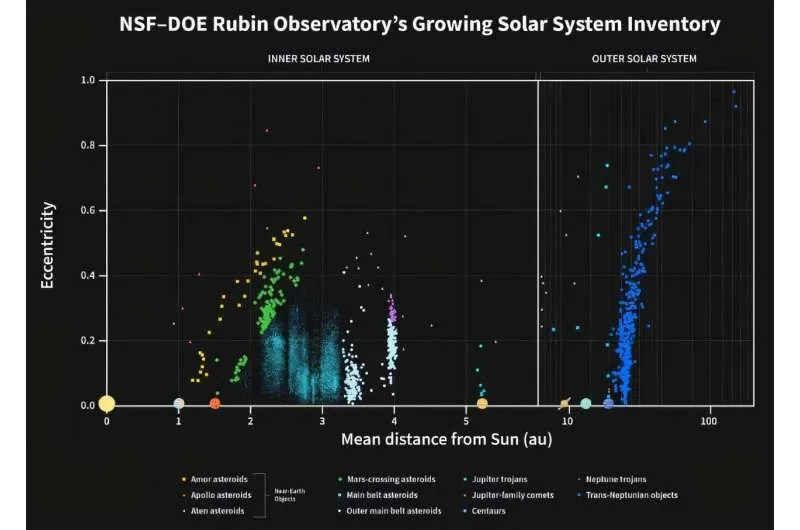
Read More: Rubin Observatory Finds Over 11,000 New Asteroids Early On

Rethinking Evolutionary Origins
The implications of this find are far-reaching, suggesting that the "explosion" of life may have occurred sooner than widely accepted.

These fossils contain examples of life forms that existed in earlier epochs and subsequently vanished, alongside early versions of organisms that would evolve into modern animals.
The complexity observed in these ancient fossils challenges the notion that such intricate structures developed later in the evolutionary timeline.
Scientists are now working to meticulously catalog these finds and determine their precise placement within the broader 'tree of life'. This process involves analyzing their unique characteristics and comparing them to known evolutionary lineages.
A Deeper Dive into Fossil Evidence
The study of fossils has long been a cornerstone of understanding past life and evolutionary processes. From the giant fossil mammals that inspired Charles Darwin's early theories to the ongoing discoveries of ancient human ancestors, fossils provide tangible links to our planet's deep history.

Long-standing Recognition: For a considerable time, scientists have accepted fossils as direct evidence of past life. This understanding is built upon decades of meticulous excavation and analysis.
Beyond Existence: Beyond merely indicating that life existed, fossils offer insights into the physiology and behavior of ancient creatures. Analyzing fossilized remains can reveal growth patterns and suggest how organisms interacted with their environments.
The Challenge of Discovery: The process of finding fossils is inherently difficult. Unearthing these remnants often requires extensive fieldwork and sophisticated analytical techniques to interpret fragmented evidence.
Reconstructing the Past: While the fossil record may be incomplete, with gaps and missing pieces, it consistently demonstrates that life on Earth is ancient and has undergone significant transformations over vast stretches of time.
Recent discoveries, such as those detailing the evolution of apes and their potential origins in North Africa or the Arabian Peninsula rather than East Africa, further illustrate how new fossil finds can reshape established scientific narratives. Similarly, the ongoing examination of human evolution benefits from the continuous discovery of tools, art, and fossilized remains that shed light on the lives and migrations of early humans.