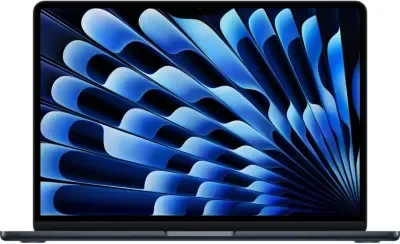
A new budget option, the MacBook Neo, has emerged, offering a distinct choice for consumers alongside the familiar MacBook Air and Pro lines. This development, detailed in analyses from CNET, Mashable, and PCMag, signals a shift in Apple's laptop strategy. The arrival of the MacBook Neo, positioned as a more accessible entry point, suggests a move to broaden the appeal of macOS laptops beyond the premium segments typically associated with the Air and Pro series.

Apple's 2026 MacBook Lineup: A Layered Approach
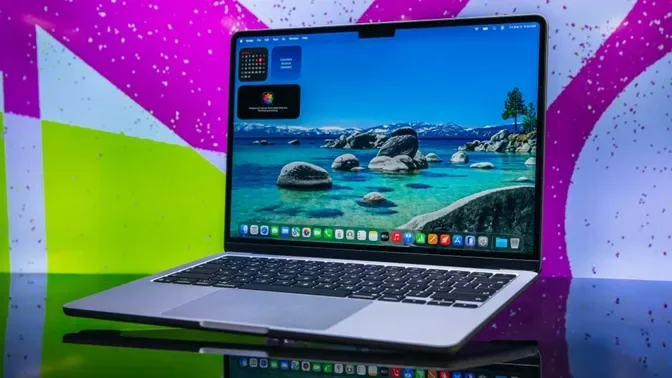
The current landscape of Apple's portable computers is characterized by a tiered structure, with the 15-inch MacBook Air (M5) now recognized as the premier choice for the majority of users. Mashable, in its assessment, highlights this model as replacing its M4 predecessor, lauded for its balance of size and performance. PCMag and CNET echo this sentiment, noting the 13.6-inch MacBook Air as an iconic, albeit smaller, alternative, and the 15.3-inch M5 MacBook Air as sharing configuration and power profiles with its 13-inch counterpart.
Read More: Chrome mimeHandler API lets extensions handle file types

The MacBook Pro M5 series continues to occupy the higher echelons. Specifically, the 14.2-inch M5 MacBook Pro is frequently cited for its capabilities, with sources like TomsGuide referencing its performance benchmarks and display quality. For those requiring more, the 16.2-inch M5 Pro MacBook Pro is presented as a solution for intensive tasks, though it's worth noting that larger screen options for the Pro line seem to have shifted focus, with TechRadar indicating that the M5 chip is currently limited to the 14-inch Pro model.
Performance and Specification Nuances
At the core of these machines are Apple's M-series chips. The M5 processor is a significant element across the latest Air and Pro models. The MacBook Neo is noted to come with 8GB of RAM, a step down from the 16GB minimum found in the MacBook Air and the 14-inch M5 MacBook Pro. This RAM difference, alongside processor variations, delineates the performance capabilities between the different tiers.
Read More: Lenovo Legion 7 Laptop With RTX 5070 Gets Tested in April 2026

Display resolutions vary, offering choices from the 13-inch Neo's 2,408x1,506 pixels to the 16.2-inch M5 Pro MacBook Pro's expansive 3,456x2,234 pixels. These specifications underscore a deliberate segmentation designed to cater to different user needs and budgets.
Contextualizing the Evolution
The introductions for 2026 follow a trajectory of incremental updates. References to older models, such as the 13-inch MacBook Air (M4) and 14-inch MacBook Pro (M4), suggest a continuous evolution in Apple's chip technology. ZDNet points out that a jump from an Intel-based MacBook to an M4 MacBook Air represents a “very noticeable upgrade,” highlighting the architectural shift. Similarly, a note to consider skipping the M5 Pro 14-inch if one owns last year's M4 version indicates a maturation where year-over-year improvements might not necessitate immediate upgrades for all users.
Read More: BEREC Asks for Mobile Network API Ideas from Developers
While Apple touts "AI-driven capabilities" across its 2026 lineup, the practical implications and integration of these features remain a subject of ongoing examination. The emphasis on specific performance metrics like Geekbench 6 CPU benchmarks and Handbrake video transcoding times, as reported by TomsGuide, provides a more tangible measure of capability for those prioritizing raw processing power.