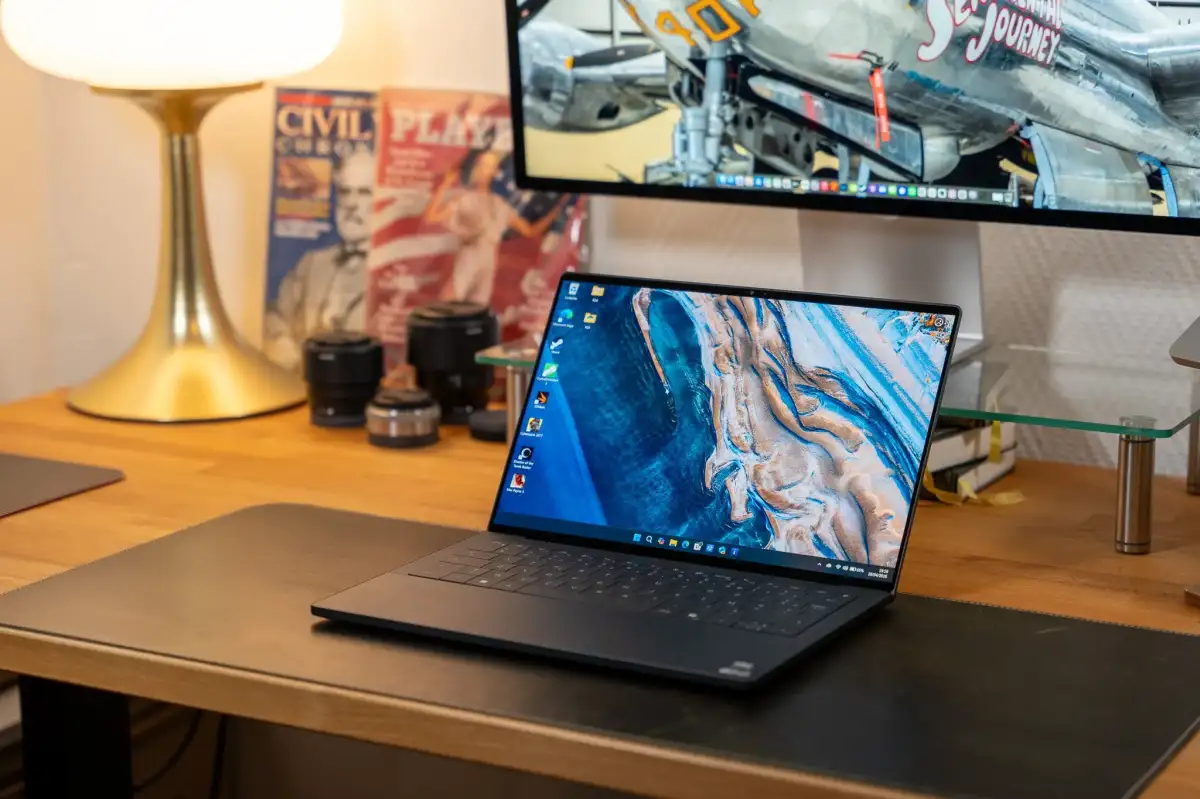
The 2026 iteration of the Dell XPS 14 has entered the market as a significant departure from previous design philosophies, centering on Intel Panther Lake architecture. By removing options for discrete graphics, the manufacturer forces a reliance on integrated processing power, framing this as a new standard for high-end ultraportables.
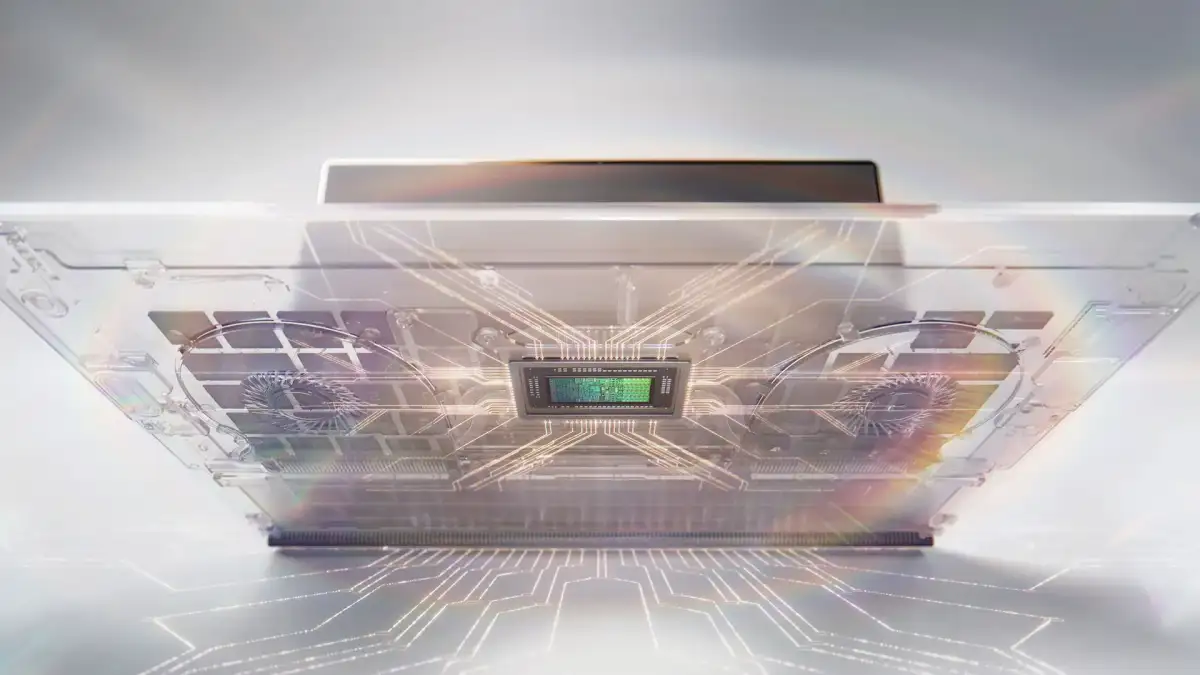
The transition to integrated-only graphics reflects a strategic bet on Intel’s Panther Lake silicon, shifting performance expectations toward high multi-threaded gains at the expense of single-threaded progression.
Hardware Performance and Real-World Constraints
Performance analysis—conducted through MLPerf 1.6.1 and various benchmarking suites—indicates a shifting landscape for mobile computing.
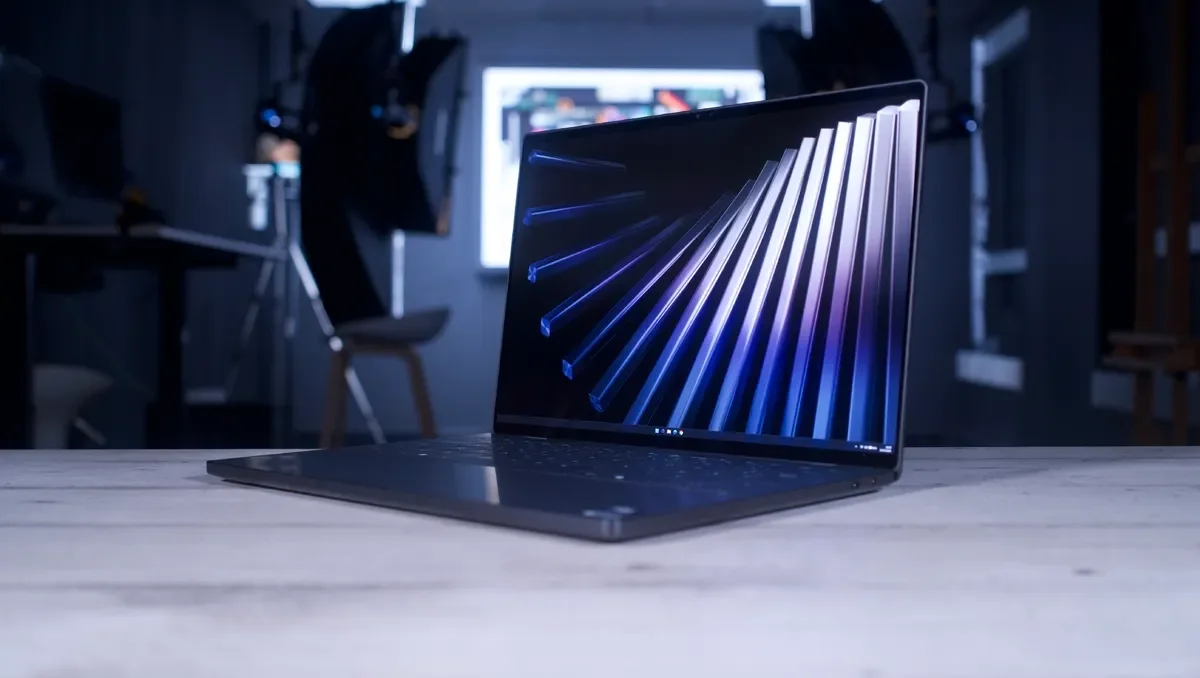
Processing Dynamics: While multi-threaded tasks show improvement, single-precision performance has exhibited a measurable regression compared to older units.
Thermal Efficiency: The chassis remains thermally stable under load, maintaining coolness despite the density of its components.
Acoustic and Visual Output: The device utilizes a six-speaker array delivering 10W total power, though users note that the lack of a matte screen finish complicates visibility in environments with high ambient glare.
Power Draw: Higher-end configurations face a trade-off in longevity, showing reduced endurance compared to entry-level counterparts.
Market Positioning and Design Utility
The XPS 14 is currently being positioned as a direct competitor to the Apple MacBook Pro ecosystem. Despite aesthetic upgrades—such as a more mature chassis design and a tandem OLED panel—the machine retains a minimalist approach to physical connectivity that has drawn varied reactions from professional users.
Read More: Chrome mimeHandler API lets extensions handle file types
| Feature | Assessment |
|---|---|
| Graphics | Integrated Intel Panther Lake |
| Design | Mature, minimalist, OLED tandem |
| Cooling | Highly effective thermal management |
| Input | Stylized, requires acclimatization |
Historical Context and Development
The XPS brand has spent recent years navigating the tension between "design-forward" aesthetics and raw utilitarian functionality. Earlier models were noted for futuristic button placements that prioritized visual clean lines over tactile utility. The 2026 model represents an attempt to reconcile these factors, receiving an Editors' Choice award from some outlets while continuing to lean into a hardware-first narrative that assumes the NPU and integrated GPU are sufficient for modern workloads.
Today, 19/05/2026, the device exists in a space where technical benchmarks like MLPerf act as the primary arbiter of value for prospective users who must choose between traditional discrete GPU power and the promise of integrated AI-ready architectures.