A Curious Case of Genetic Resilience Emerges from Australia's Iconic Marsupial
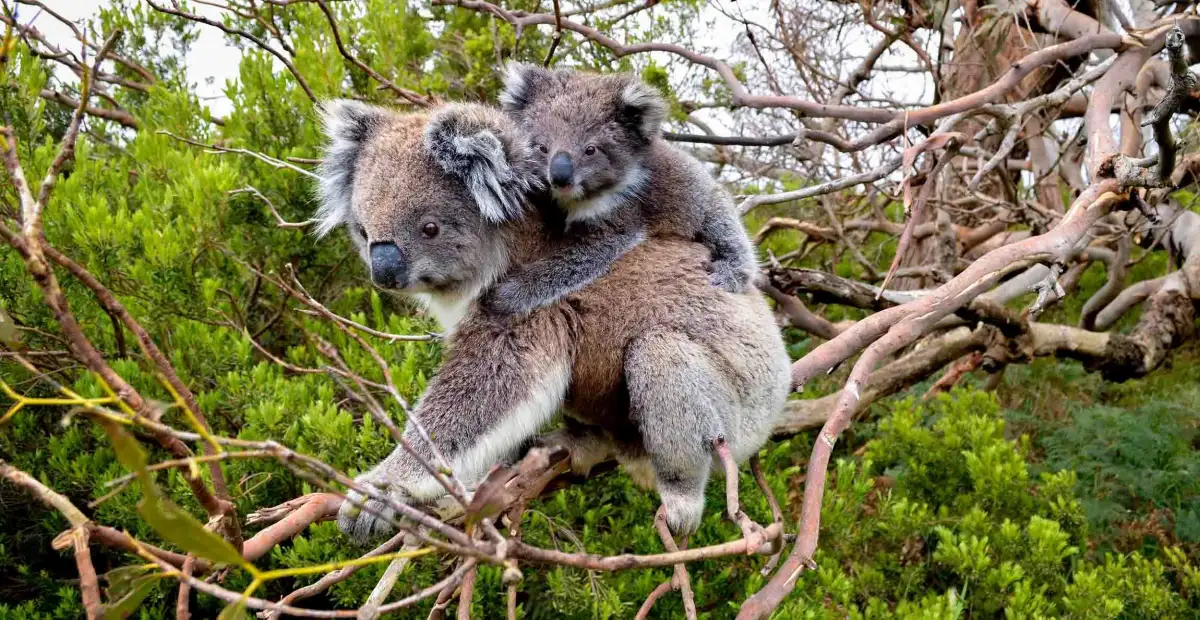
Koalas, those famously sleepy marsupials, are proving to be something of a biological puzzle, defying conventional genetic wisdom. Contrary to expectations of dwindling genetic diversity leading to extinction, some populations are demonstrating a surprising capacity for recovery and resilience. This phenomenon is observed even after severe population reductions, known as 'bottlenecks', historically caused by factors like the fur trade and habitat loss.
Explosive population growth in certain regions, particularly Victoria, has seen koala numbers surge to the point where management now focuses on population control rather than conservation. This recovery, despite previous drastic declines in effective population sizes, challenges the long-held notion that species suffering bottlenecks are inevitably doomed to inbreeding and eventual demise.'
Rethinking Genetic Dead Ends
Researchers, examining both modern and historical koala specimens, initially anticipated finding drastically reduced genetic diversity due to past population crashes. These events, particularly evident in the late 1800s due to the fur trade, were expected to have permanently compromised the genetic integrity of koala populations. Studies comparing mitochondrial DNA from museum specimens with contemporary koalas did reveal a historical decrease in diversity. This decline was thought to be a harbinger of extinction risk.
Read More: Indigenous Data Rights Now Key in Conservation Genomics
However, further whole-genome sequencing has yielded a more complex picture. Findings suggest that koalas, contrary to popular belief, maintain higher levels of genetic diversity than previously assumed. This has led to a reassessment of the severity of inbreeding and its long-term consequences for the species. The proliferation of certain koala populations, in effect, demonstrates how species can rebound from periods of extreme genetic scarcity, potentially recovering a surprising amount of variation.
Subspecies and Species Debates Complicate the Narrative
Adding another layer to the koala's genetic story is the questioning of existing subspecies classifications. Analysis has indicated that while koalas exhibit distinct appearances across northern and southern Australia, there is little genetic evidence to support the recognition of three separate subspecies. This raises important questions for conservation strategies, suggesting a more unified approach might be warranted.
The Role of Museum Specimens
Historical records, preserved in museum collections, have proven invaluable in these genetic investigations. By comparing the DNA of ancient koalas with their modern descendants, scientists can trace the historical fluctuations in genetic diversity and understand the long-term impacts of environmental pressures and human activity. This historical data is crucial for understanding the current genetic landscape and developing effective conservation plans.
Read More: Orangutan Mothers Plan Playdates for Babies in Borneo
Conservation Imperative Remains
Despite the newfound insights into koala genetic resilience, the call for a robust national conservation program remains urgent. Protecting this charismatic species from ongoing threats like habitat loss and disease is paramount. The understanding that populations can recover, however, offers a more hopeful, albeit complex, perspective on koala survival.