CLIMATE SHIFTS IMPEDE NESTLING DEVELOPMENT
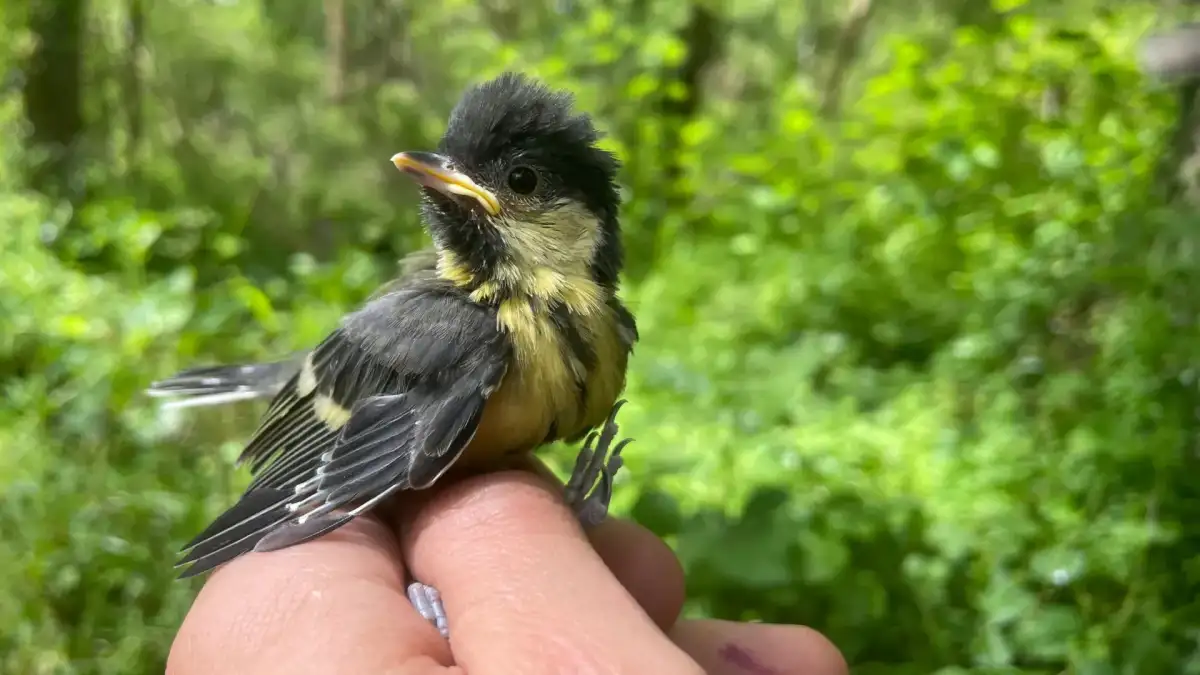
New research highlights the stark realities faced by young birds, particularly great tits in the UK, as they contend with increasingly volatile weather patterns. Cold snaps and heavy rainfall are identified as significant impediments to their growth and survival during crucial early developmental stages. The findings, emerging from studies conducted by the University of Oxford, indicate that chicks, lacking the ability to regulate their own body heat, are acutely vulnerable to temperature drops and deluge. This vulnerability can manifest as stunted growth and a diminished prospect of survival.
The study, published in Global Change Biology, also suggests a potential coping mechanism: breeding earlier in the season. This adjustment appears to offer a degree of insulation against the more damaging effects of unpredictable weather. In a counterpoint, warmer weather extremes, paradoxically, seem to confer minor benefits to survival rates under the current climatic conditions.
Read More: Amazon Land Use Changes Cause Disease Clusters in Brazil
THE MECHANICS OF HARM
Newly hatched chicks are fundamentally ill-equipped to manage temperature fluctuations. Their lack of developed feathers leaves them exposed, making them susceptible to the ravages of cold spells. Heavy rainfall adds another layer of hardship, potentially impacting food availability for parents to bring back to the nest. The combination of these factors can severely stunt fledging mass and overall survival prospects.
The research examined various aspects of nestling development, including:
Growth rates: How quickly chicks develop in response to environmental conditions.
Survival rates: The likelihood of chicks surviving to fledge.
Fledging mass: The weight of chicks when they are ready to leave the nest.
BREEDING EARLIER: A POSSIBLE SHIELD
A consistent observation across the reported research points towards an adaptive strategy: commencing breeding earlier within the season. This temporal shift may allow bird populations to bypass the harshest weather events that often occur later in the spring or early summer. While this offers a buffer against the negative impacts of cold and excessive rain, it is less clear how it might interact with the observed slight advantages of warmer extremes. The ecological adaptation of birds to these changing climatic regimes is an ongoing area of investigation.
Read More: Orangutan Mothers Plan Playdates for Babies in Borneo
A LONG-TERM PERSPECTIVE
The study's implications extend beyond immediate survival. Disruptions to early development can have cascading effects on an individual's long-term health, reproductive success, and the broader dynamics of bird populations. The research draws upon a substantial dataset, hinting at a sixty-year observational period that underscores the growing influence of extreme weather on avian life. The keywords associated with this investigation include: 'great tits', 'nestling development', 'extreme weather', 'climate change', 'breeding phenology', 'fledging mass', 'survival', 'temperature extremes', and 'rainfall impact'.