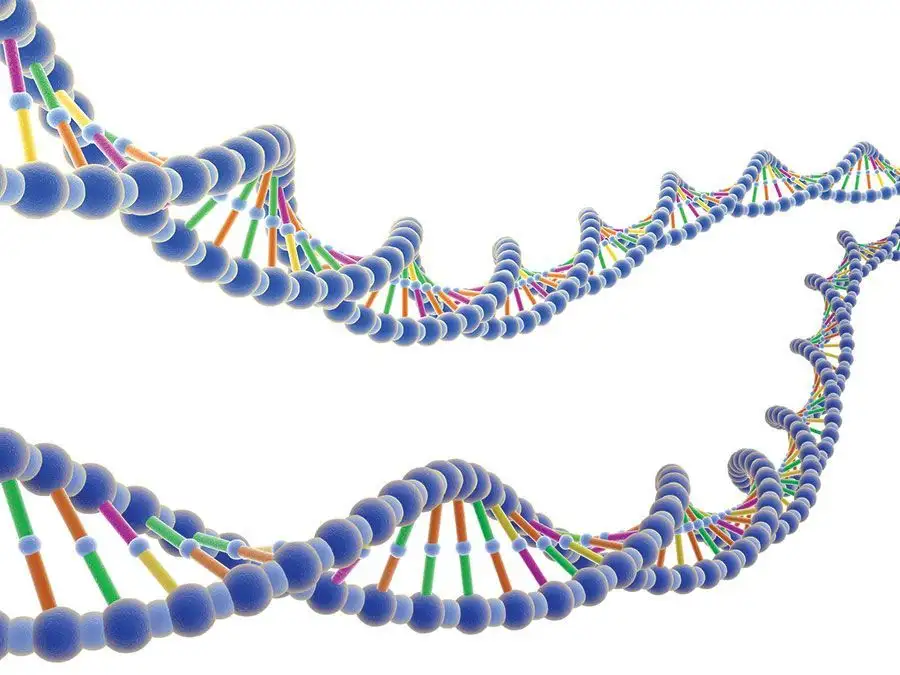
HOKKAIDO UNIVERSITY, JAPAN – Samples returned from the asteroid Ryugu now host all five canonical nucleobases, the fundamental chemical units that form DNA and RNA. This finding, detailed in a recent paper published in Nature Astronomy, strengthens the notion that the cosmos may have seeded Earth with the molecular precursors for life billions of years ago. The presence of all five nucleobases in Ryugu material, alongside similar discoveries in other carbonaceous asteroids, suggests a potential cosmic conveyor belt for life's essential building blocks.
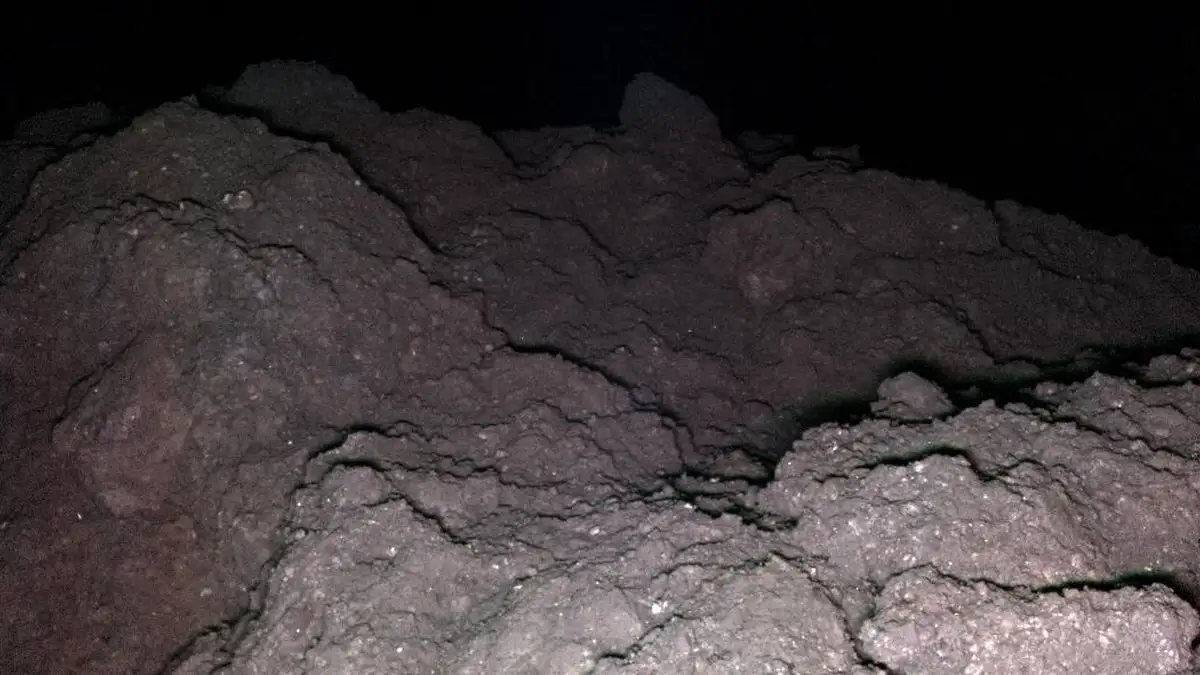
Researchers meticulously analyzed two separate samples obtained from the JAXA Hayabusa2 mission. They confirmed the existence of adenine, guanine, cytosine, thymine, and uracil – the complete set required to construct the genetic blueprints of all terrestrial life. Previous examinations of Ryugu had identified some of these components, but this latest study marks the first confirmation of the entire suite.
Read More: Atlantic Ocean Current Weakening, Cold Blob Linked
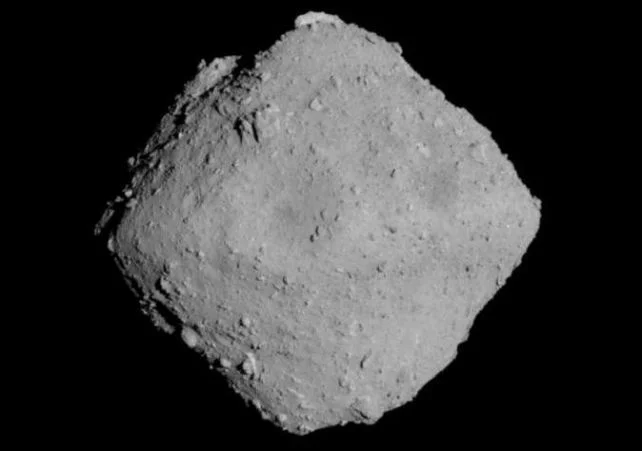
"The new results align with previous findings on space rocks."
The discovery bolsters the hypothesis that asteroids, which frequently collided with early Earth, could have delivered these critical organic molecules. When combined with sugars and phosphoric acid, these nucleobases can assemble into the complex structures of RNA and DNA, facilitating the emergence of biological processes. Scientists employed rigorous methods to preclude terrestrial contamination, ensuring the detected nucleobases originated from the asteroid itself.
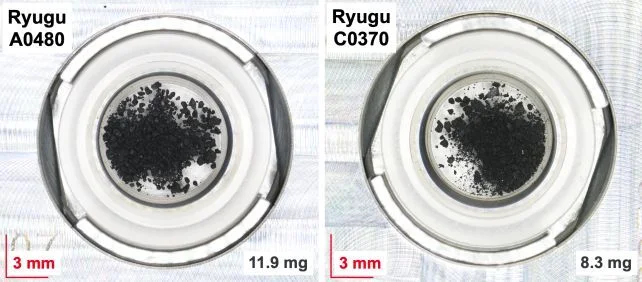
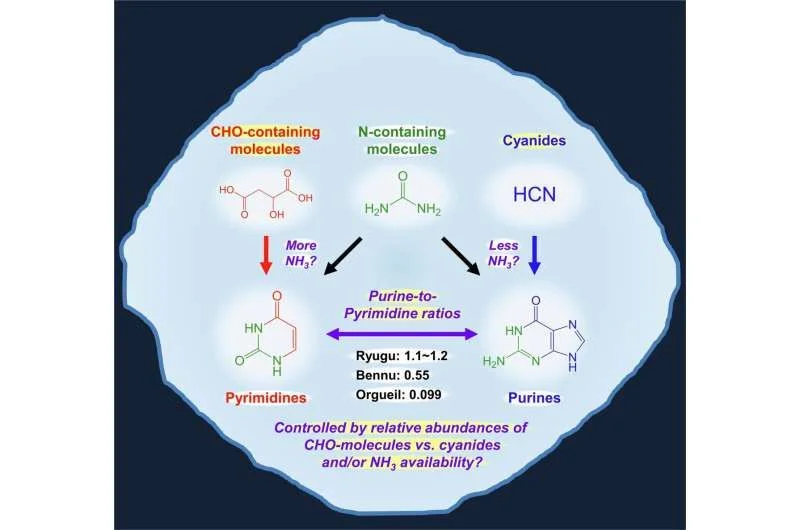
The distribution of nucleobases within Ryugu samples shows a roughly equal balance between purines (adenine and guanine) and pyrimidines (cytosine, thymine, and uracil). This contrasts with some other extraterrestrial samples, such as the Murchison meteorite, which primarily contained purines, or Bennu and Orgueil, which were richer in pyrimidines.
Ryugu, a near-Earth object approximately 3,000 feet in diameter, was named after a mythical underwater palace in Japanese folklore. The Hayabusa2 mission successfully returned a total of 5.4 grams of pristine asteroid material, allowing for these detailed chemical investigations. While the presence of these fundamental components does not prove that life originated in space, it certainly implicates asteroids as significant contributors to Earth's prebiotic chemical environment.
Read More: Roman Telescope Launch August 30: NASA Explores Deeper Space