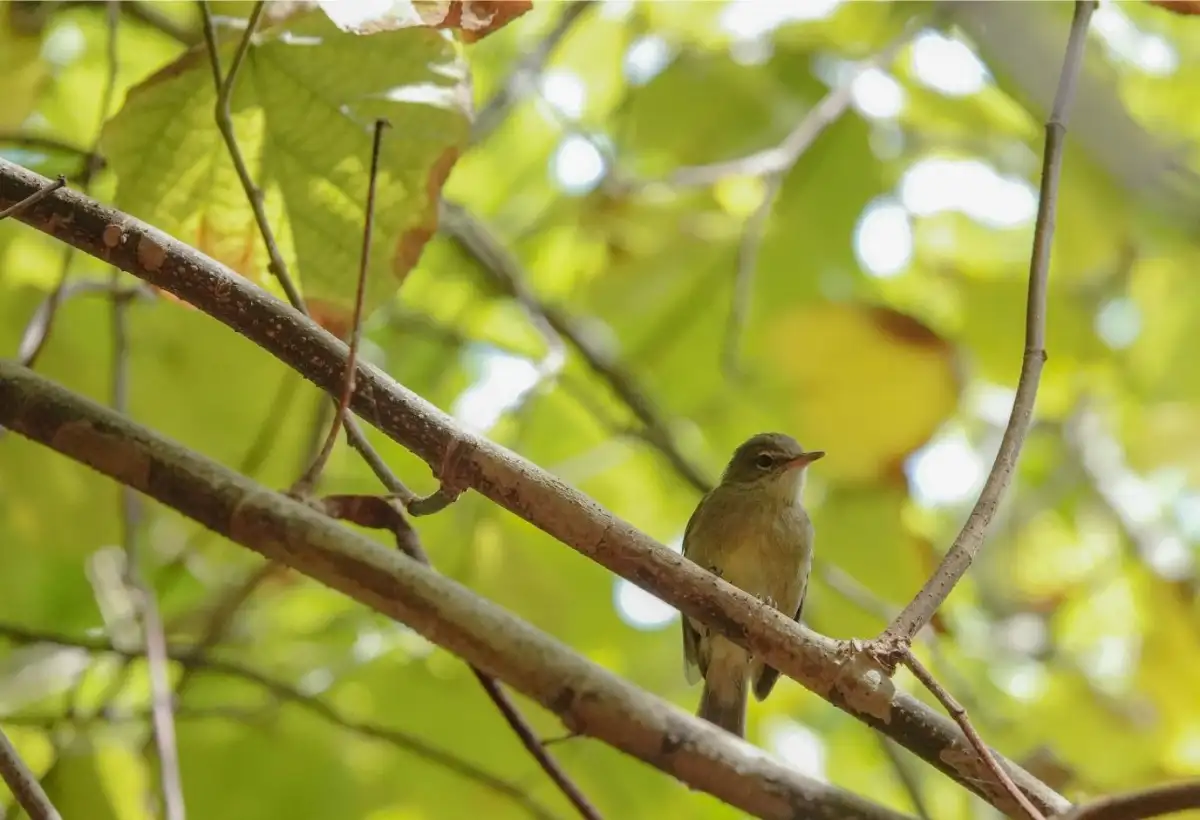
An intricate dance between an organism's genetic blueprint and the microscopic life within its gut has been laid bare, thanks to a study of a small songbird on a remote island. Researchers have uncovered evidence that an individual bird's immune system genes appear to exert a guiding influence on the types of bacteria that can flourish in its digestive tract. This finding suggests a far more complex relationship than a simple battle against invaders, painting the immune system as a sculptor of its internal microbial community.

The investigation, centered on the Seychelles warbler residing on the isolated Cousin Island, involved meticulous collection and analysis of the birds' droppings. This 'poo-picking' expedition revealed that differences in the birds' immune-related genes correlated with distinct patterns of gut bacteria.
This intricate biological conversation isn't a one-way street. The research also indicates that the gut microbes, in turn, play a vital role in supporting and even 'training' the host's immune system. This reciprocal interaction suggests that the immune system is not merely a passive defender but actively shapes and is shaped by the microbial ecosystem it harbors.
Read More: Indigenous Data Rights Now Key in Conservation Genomics

Such insights could have far-reaching implications, potentially informing future avenues of research into immunity, the complex world of gut health, and the origins of various diseases. The implications extend to human health, hinting at novel therapeutic strategies that could target the interplay between the immune system and its microbial passengers to address immune-related ailments and metabolic conditions.
Background: A Tiny Bird, A Big Revelation
The Seychelles warbler, a small, endemic songbird, served as the unwitting subject for this revealing study. Its isolated existence on Cousin Island, where emigration is practically nonexistent, offers a unique natural laboratory for observing these biological interactions without the confounding factors of constant migration and environmental shifts.
Scientists from the University of East Anglia spearheaded this effort, publishing their findings in a paper titled 'Host immunogenetic variation and gut microbiome functionality in a wild vertebrate population'. The keywords associated with this work underscore its multidisciplinary nature, touching upon microbiology, immunology, immunogenetics, and organismal biology. This research challenges a traditional, perhaps overly simplistic, view of the immune system as solely a defensive entity, proposing instead a more nuanced role in actively managing and influencing the composition of the gut microbiome.
Read More: Orangutan Mothers Plan Playdates for Babies in Borneo