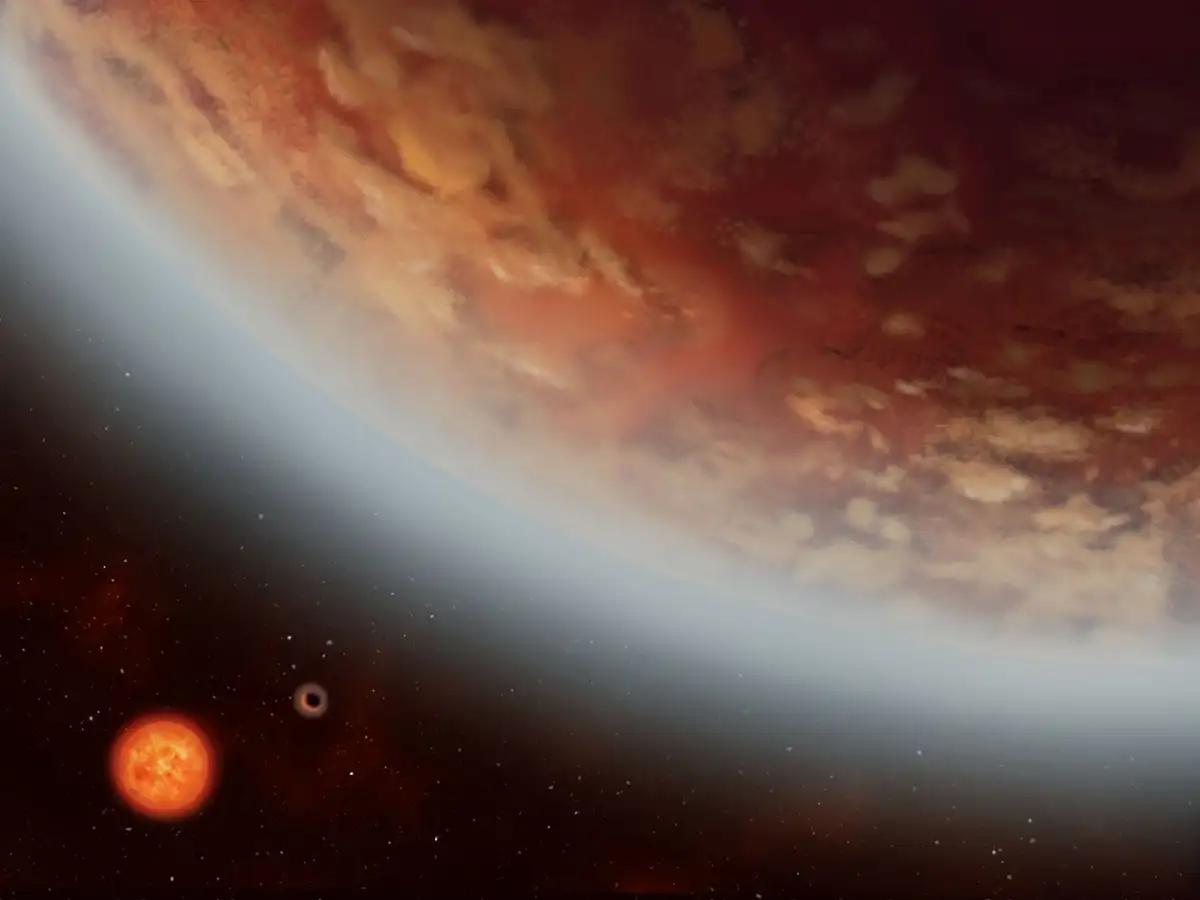
A recent, extensive search for radio signals emanating from the exoplanet K2-18b has concluded without detecting any indications of an advanced civilization. This finding follows earlier speculation about the planet potentially harboring signs of life, but current radio observations have not supported these hopes. The implications for the search for extraterrestrial intelligence, particularly through technosignatures, are significant.
Background and Timeline
K2-18b, an exoplanet orbiting a star approximately 120 light-years away, became a focal point of interest last year after initial studies suggested the presence of certain molecules in its atmosphere that could be indicative of life. These studies, largely based on data from the James Webb Space Telescope (JWST), hinted at potential "biosignatures."
Early 2025: Studies using JWST data suggest the presence of biosignature gases in K2-18b's atmosphere.
April 2025: Scientific community expresses skepticism regarding the biosignature claims, with some analyses suggesting the initial findings might be "false alarms." New analyses of the JWST data cast doubt on these findings.
Mid-2025: Hopes of finding alien life on K2-18b begin to fade as new observations appear to show no detectable evidence of the biomolecules previously hinted at.
February 2025: A separate, comprehensive radio search of a significant portion of the Northern Hemisphere for artificial radio signals concludes without findings.
Ongoing: Researchers are actively pursuing various methods to detect technosignatures, the signs of technology used by alien civilizations.
Radio Signal Search
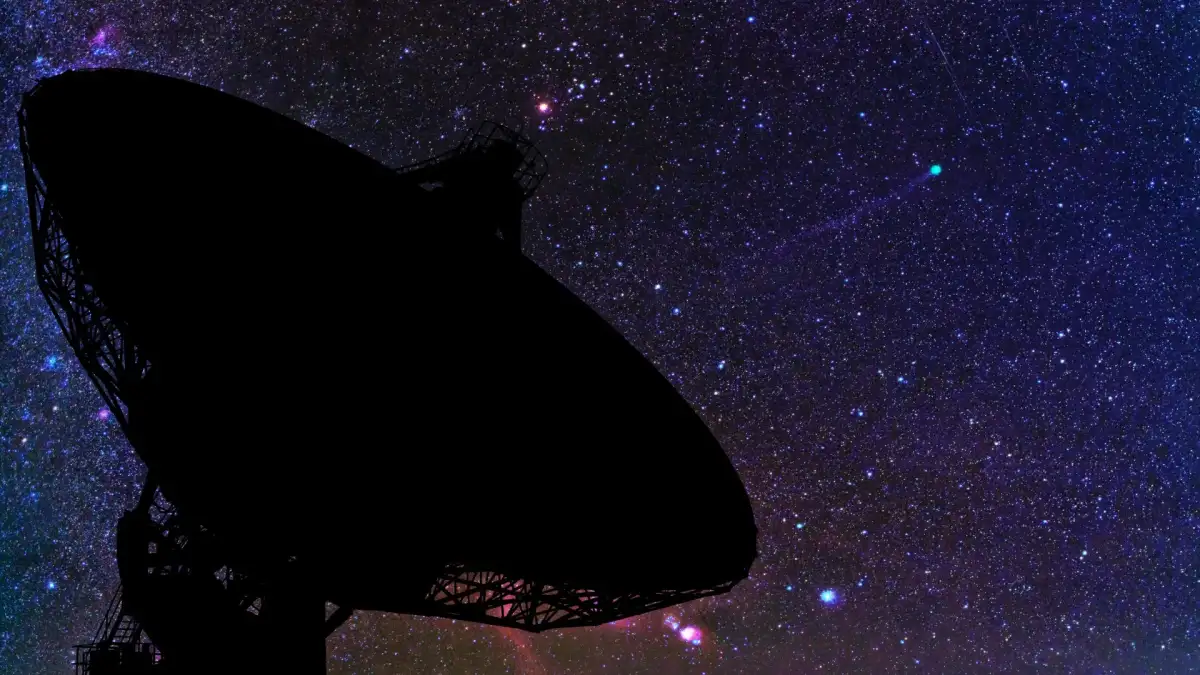
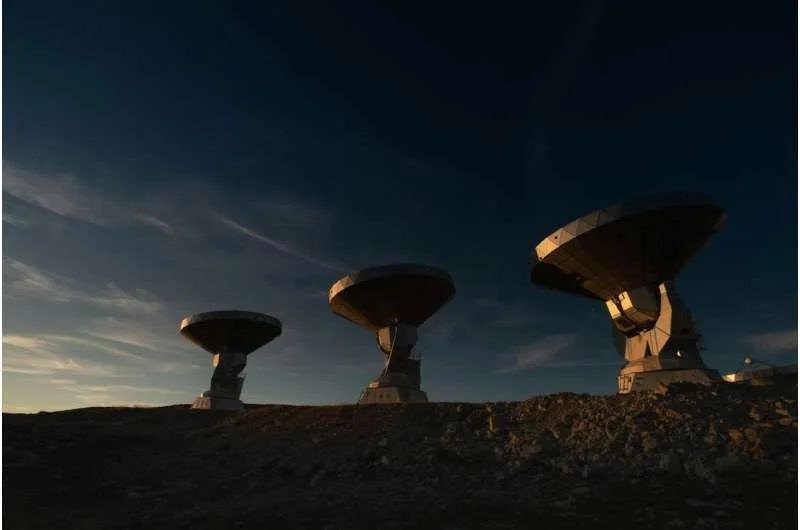
A team of researchers, including Madhusudhan, conducted a dedicated search for radio signals originating from K2-18b. They utilized powerful radio telescopes, specifically the Very Large Array in New Mexico and the MeerKAT radio telescope in South Africa. The search focused on radio frequencies similar to those used for communication on Earth.

Objective: To detect powerful radio transmitters on K2-18b, analogous to human-generated signals since the 1960s.
Methodology: Observations spanned several orbits of K2-18b around its star. Researchers aimed to identify signals similar in strength to those produced by the Arecibo radio telescope.
Filtering: Efforts were made to distinguish potential extraterrestrial signals from terrestrial interference.
Outcome: No signals indicative of powerful radio transmitters on K2-18b were detected.
Biosignature Debate
Concurrently with the radio signal search, the interpretation of data from the James Webb Space Telescope regarding K2-18b's atmosphere has been subject to considerable scientific debate. While initial findings hinted at potential biosignatures, subsequent analyses have raised doubts.
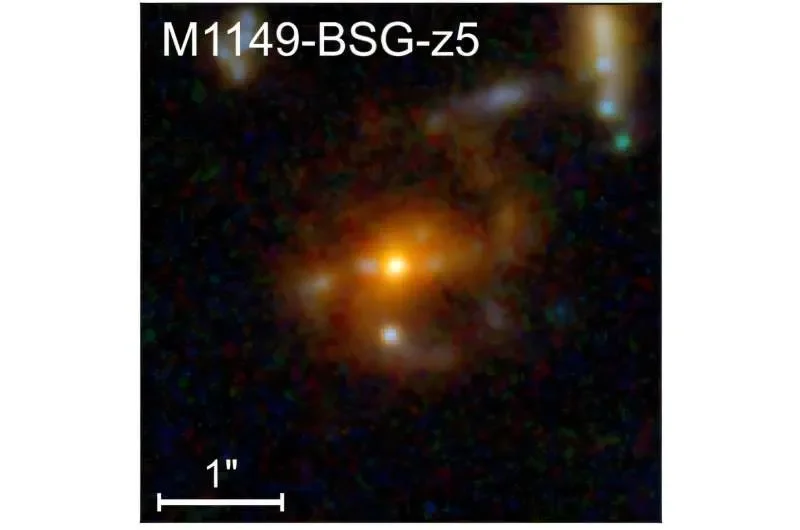
Read More: JWST Finds Oldest Barred Spiral Galaxy M1149-BSG-z5
Initial Findings: Studies suggested the presence of molecules that could be linked to biological processes.
Skepticism: Other scientists expressed hesitation, noting that the detected signatures might be misinterpreted or due to other atmospheric phenomena.
Reanalysis: Independent reanalyses of the JWST data by researchers like Jake Taylor have cast doubt on the original claims.
Conclusion of Debate: Some new observations have indicated no statistically significant evidence of the previously identified biomolecules.
Technosignatures and Detection Challenges
The search for alien civilizations, often referred to as the search for technosignatures, faces inherent challenges. These include the vast distances involved and the nature of potential alien technologies.
Signal Type: Scientists hypothesize that alien civilizations might use narrowband radio waves for communication.
Detection Limits: Current detection capabilities are limited by telescope sensitivity and the need to filter out natural cosmic radio sources and human-made interference.
Signal Longevity and Spread: For signals to be detectable across vast interstellar distances, they would need to be long-lived and widely broadcasted. The likelihood of detection increases with distance if technosignatures are widespread throughout the Milky Way.
Unnoticed Signals: A key question is whether alien signals, if they exist and have reached Earth, have already passed by unnoticed. This would imply that a large number of technosignals may have crossed our path without detection.
Expert Perspectives
The findings and ongoing debates surrounding K2-18b and other searches are informed by a range of scientific opinion.
"We should expect some false alarms, and this may be one." - Quote reflecting skepticism on K2-18b biosignatures.
"If alien signals have already reached Earth, why haven't we seen them?" - A probing question highlighting the difficulties in detecting extraterrestrial communications.
Researchers continue to explore the possibility of detecting "leaked" signals, such as those humans unintentionally broadcast through communication with spacecraft. The development of new detection methods is considered crucial, especially as human communication technologies evolve.
Summary and Implications
The comprehensive search for radio signals from K2-18b has yielded negative results, offering no evidence of an advanced civilization. This outcome contrasts with earlier, debated suggestions of biosignatures detected by the James Webb Space Telescope, which are now largely viewed with skepticism.
K2-18b Radio Search: No artificial radio signals were detected.
JWST Data: Initial hints of biosignatures on K2-18b are now met with considerable doubt due to reanalyses.
Technosignature Search: The quest for alien technology continues, facing challenges in signal detection and interpretation.
Future Direction: The scientific community remains engaged in searching for technosignatures, acknowledging the difficulties and the need for advanced detection methods.
The lack of detected radio signals from K2-18b underscores the difficulty and complexity of finding definitive evidence of extraterrestrial intelligence. While the planet remains an object of astronomical interest, the current radio search adds to a pattern of numerous deep searches for alien technosignatures that have, thus far, returned no positive indications.
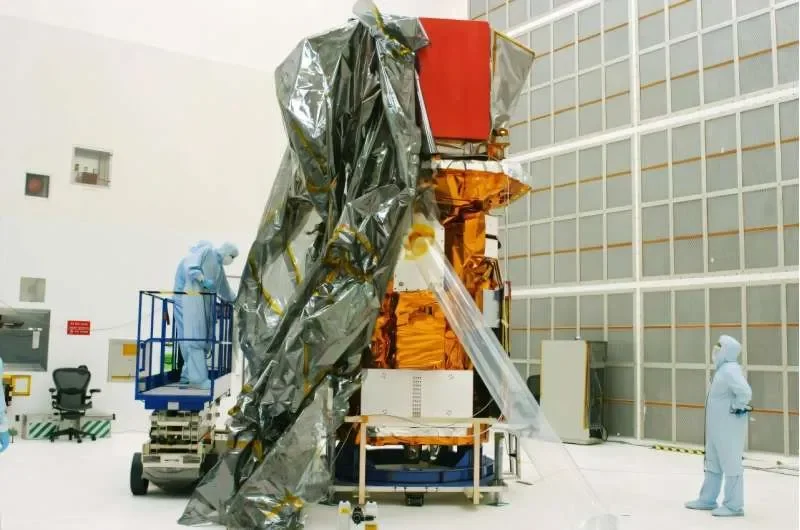
Read More: NASA Robot Mission Launched to Raise Swift Telescope Orbit, Add 10 Years
Sources Used:
New Scientist: "Search for radio signals finds no hint of alien civilisation on K2-18b" - Published 46 minutes ago. https://www.newscientist.com/article/2516306-search-for-radio-signals-finds-no-hint-of-alien-civilisation-on-k2-18b/
Space.com: "I want to believe — but yet another massive search for alien technosignatures just turned up nothing" - Published Feb 19, 2025. https://www.space.com/alien-radio-signals-search-empty
Phys.org: "If alien signals have already reached Earth, why haven't we seen them?" - Published 3 days ago. https://phys.org/news/2026-02-alien-earth-havent.html
Live Science: "Did the James Webb telescope really discover aliens? Here's the truth about K2-18b." - Published Apr 25, 2025. https://www.livescience.com/space/extraterrestrial-life/did-the-james-webb-telescope-really-find-evidence-of-alien-life-heres-the-truth-about-exoplanet-k2-18b
Popular Mechanics: "Aliens Are Talking to Each Other—And We Could Eavesdrop on Them, Scientists Say" - Published Dec 9, 2025. https://www.popularmechanics.com/space/a69674444/listening-for-alien-radio-signals/
NPR: "New analysis casts doubt on 'biosignatures' found on planet K2-18b" - Published Apr 25, 2025. https://www.npr.org/2025/04/25/g-s1-62610/biosignatures-k2-18b-james-webb-exoplanet-doubt
Space.com: "Did we actually find signs of alien life on K2-18b? 'We should expect some false alarms and this may be one'" - Published Apr 21, 2025. https://www.space.com/space-exploration/search-for-life/did-we-actually-find-signs-of-alien-life-on-k2-18b-we-should-expect-some-false-alarms-and-this-may-be-one
New Scientist: "Signs of alien life on exoplanet K2-18b have all but vanished" - Published Jul 28, 2025. https://www.newscientist.com/article/2489984-signs-of-alien-life-on-exoplanet-k2-18b-have-all-but-vanished/