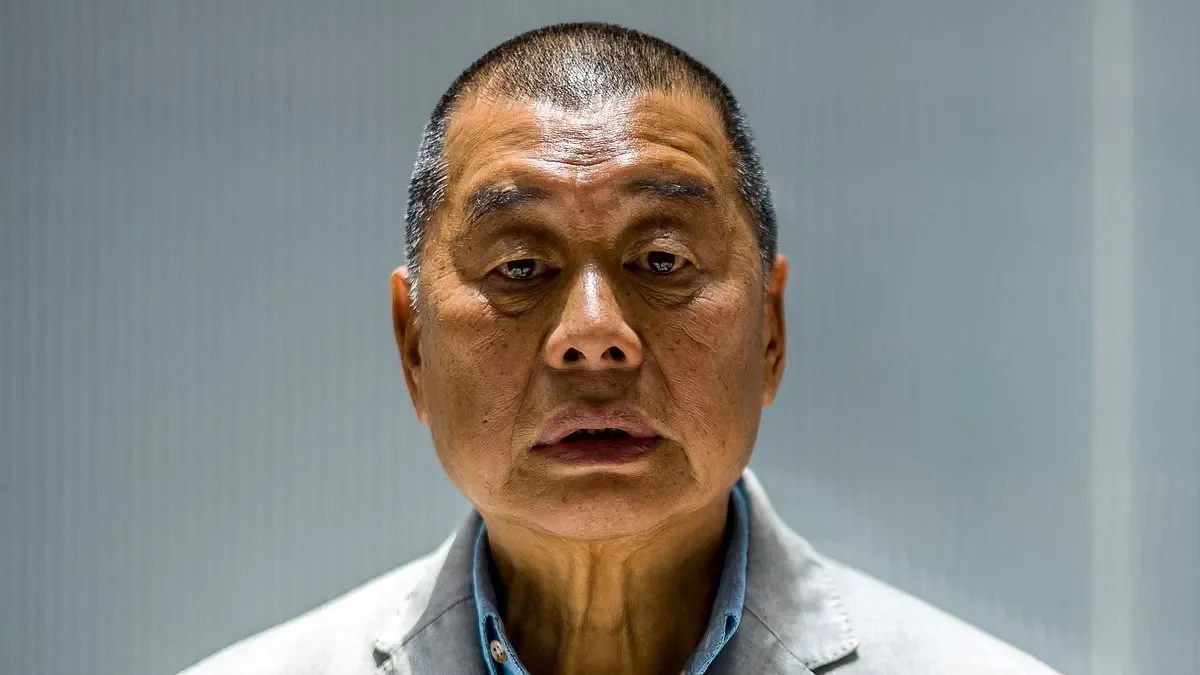
The recent 20-year sentence handed to Jimmy Lai, a British citizen and Hong Kong media mogul, has ignited a significant diplomatic debate, casting a spotlight on the United Kingdom's approach to China. Critics contend that the UK's diplomatic efforts have been insufficient, while others advocate for a firmer stance. The case underscores the complex interplay between economic interests and human rights concerns in international relations.

Context of the Jimmy Lai Case and UK-China Relations
Jimmy Lai, a prominent figure in Hong Kong's pro-democracy movement and founder of the now-defunct Apple Daily newspaper, has been imprisoned in China. His conviction on charges of conspiracy to collude with foreign forces and seditious publications marks a critical juncture for UK-China relations. The timeline of events leading to his sentencing is complex, involving his arrest five years ago, subsequent detention, and a lengthy trial under Hong Kong's national security law.
Read More: Iran Zagros Mountain Nuclear Site Construction Update April 2026
Key Events:
Arrest: Lai was arrested five years prior to his recent sentencing.
Trial: A 156-day national security trial took place in Hong Kong.
Conviction: Found guilty on two counts of conspiracy to collude with foreign powers and one charge of conspiracy to publish seditious publications.
Sentencing: Received a 20-year prison sentence.
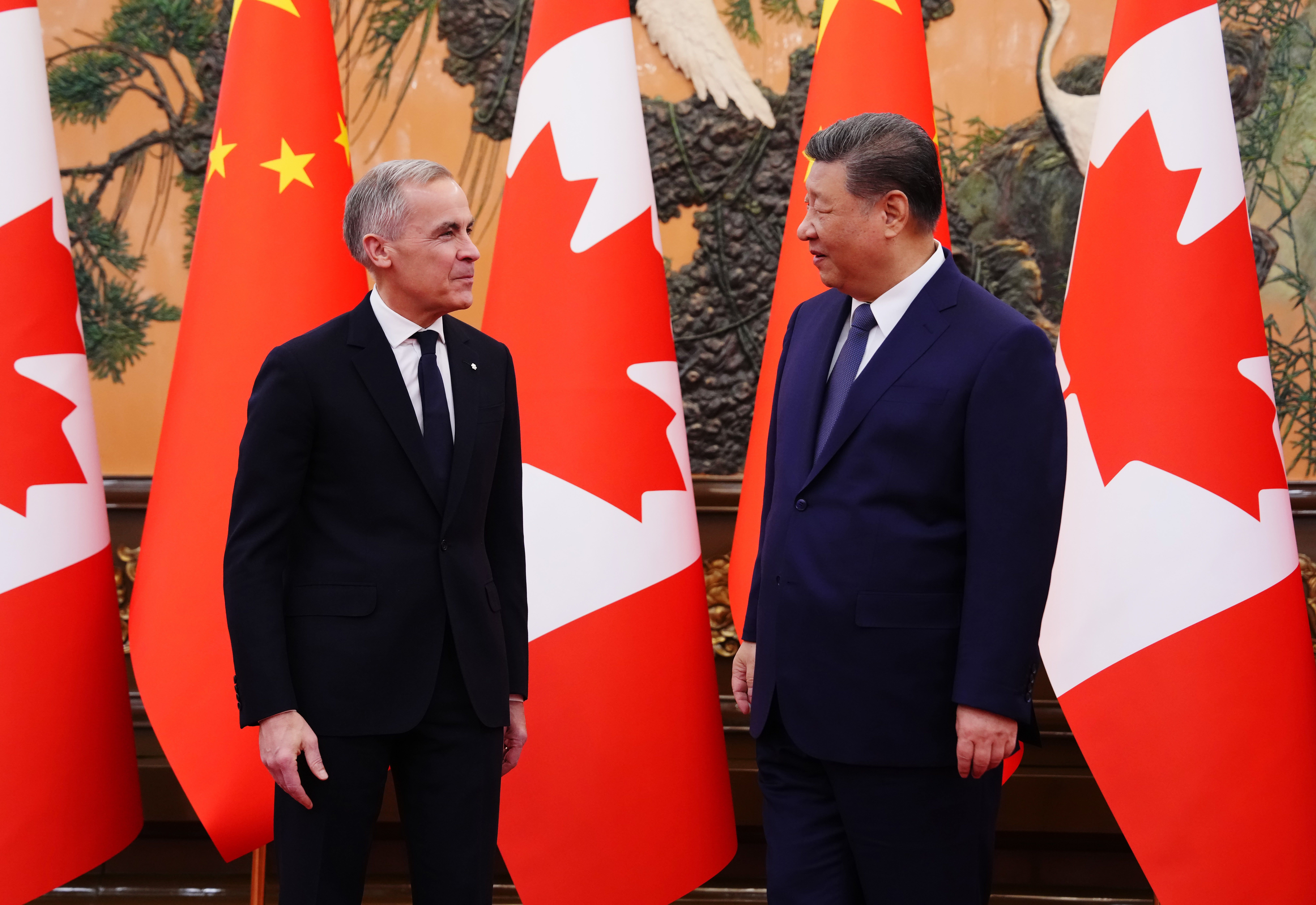
Sir Keir Starmer's Engagement: Reports indicate that Sir Keir Starmer raised Lai's case during a meeting with Chinese President Xi Jinping, with the effectiveness of this engagement now under scrutiny.
Accusations of Diplomatic Failure
Sir Keir Starmer faces significant criticism regarding the handling of Jimmy Lai's case. Accusations of a "monumental diplomatic failure" have been leveled, particularly in light of Lai's conviction and lengthy sentence occurring shortly after Starmer's engagement with Chinese leadership.

Nature of Criticism:
Commentators have highlighted a perceived "troubling silence" from Starmer's office.
Critics argue that the UK government's actions have not adequately conveyed its disapproval of Lai's treatment.
There is a demand for Starmer to demonstrate a clear revulsion at the persecution of a British national.
Concerns have been raised that this perceived reticence could be interpreted as an appeasement of the Chinese Communist Party.
Arguments for a Stronger Stance
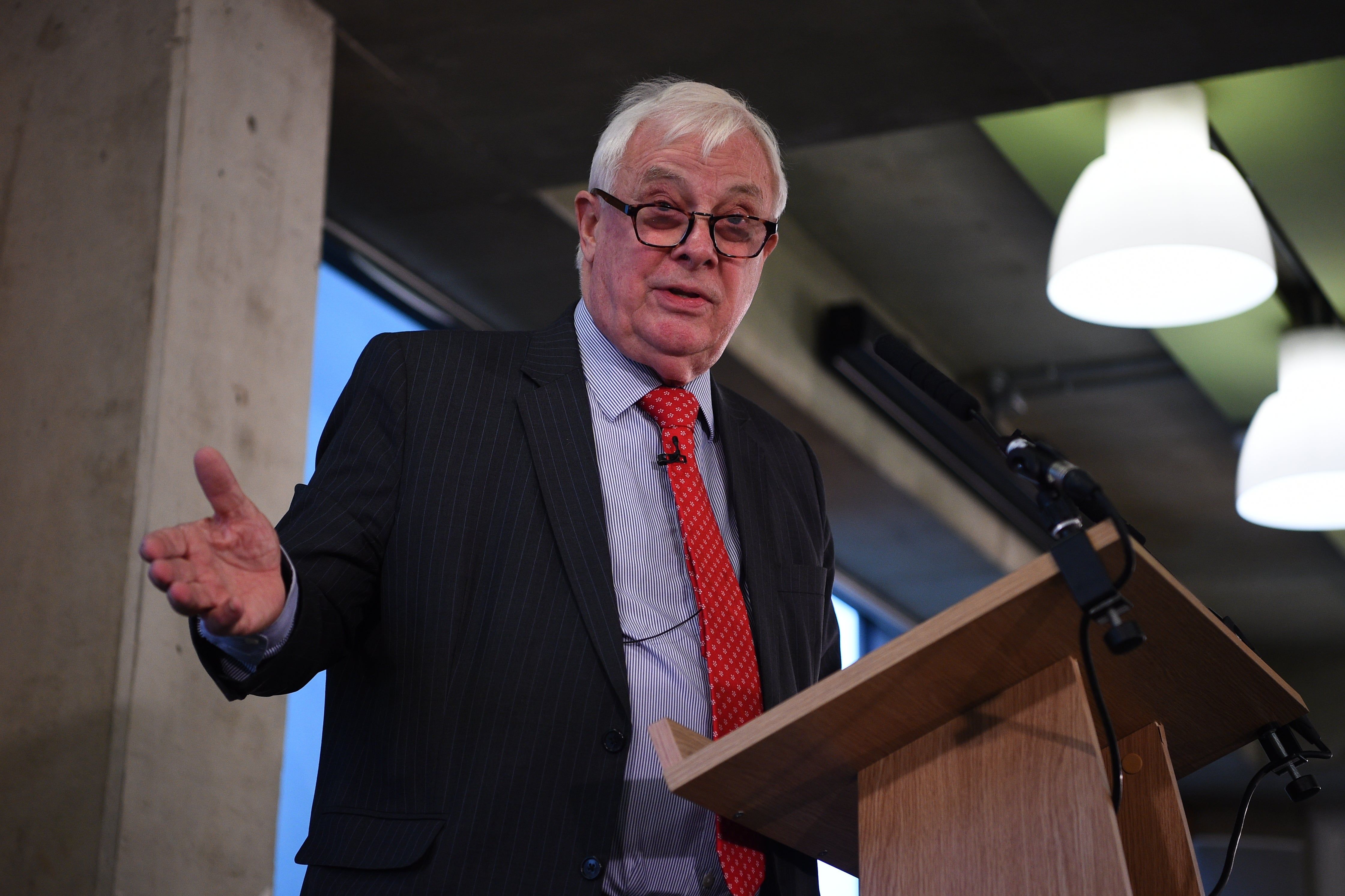
Some voices, including Lord Patten, the former governor of Hong Kong, and various human rights advocates, are calling for a more assertive UK policy towards China. They emphasize that engaging with China should not preclude addressing serious human rights concerns.
Key Arguments:
Moral Obligation: The UK has an obligation to Hong Kong and its citizens, especially given its history as the former colonial power.
Principled Diplomacy: Engaging in business with China should not necessitate avoiding criticism of its human rights record.
Leverage: Critics suggest that the UK could use trade deals and agreements, such as the construction of a new Chinese embassy in London, as leverage to secure Lai's release.
Precedent: Reference is made to past diplomatic interactions, like the meeting between then-Prime Minister David Cameron and the Dalai Lama, which, despite Beijing's anger, did not irrevocably damage relations.
Counterarguments and Nuance in Engagement
Other perspectives suggest that while Lai's case is serious, a nuanced approach is required in managing the UK's relationship with China, particularly given economic considerations. Some argue that previous engagements, including those involving Prime Minister Rishi Sunak, did not yield the desired results, prompting questions about the efficacy of different diplomatic strategies.
Read More: China Ethnic Unity Law starts July 1 2026 for all citizens
Complexities of Engagement:
Economic Realities: China remains a significant export market, and the UK economy is in need of foreign investment.
"Bear Trap" Scenario: Some analysts posit that China might be setting diplomatic "bear traps," aiming to exploit divisions in Western alliances.
Balancing Act: The Labour government faces a challenge in balancing its commitment to human rights with the need for continued diplomatic and economic engagement.
Effectiveness of Direct Intervention: The outcome of Starmer's direct engagement with President Xi Jinping on the Lai case is seen by some as inconclusive, leading to the current debate about his approach.
Expert Analysis and Implications
The conviction of Jimmy Lai and the UK's response have drawn commentary from various figures, highlighting the inherent tension between international law, human rights, and geopolitical strategy. Sebastien Lai, a family member, has described the sentence as a "death sentence" given Jimmy Lai's declining health, underscoring the personal stakes involved.
"Given his health, given that he has heart issues, given that he's lost 10kg over the last year alone, that's basically a death sentence." - Sebastien Lai (quoted in Article 2)
The situation presents a stark contrast between the UK's stated values and its pragmatic foreign policy objectives. Observers suggest that the outcome of Lai's trial poses a significant test for the Labour government's approach to China, potentially narrowing the scope for future engagement.
Conclusion and Next Steps
The sentencing of Jimmy Lai has amplified calls for a more robust British stance on human rights in China. Critics argue that the UK government's current approach lacks the necessary assertiveness, while others acknowledge the delicate equilibrium required in managing bilateral relations.
Read More: 40 Die in Quetta to Peshawar Bus Crash in Balochistan on April 3 2026
Key Findings:
Jimmy Lai's 20-year sentence is viewed by many as a grave injustice.
Sir Keir Starmer is facing accusations of diplomatic inadequacy in addressing the case.
There is a divide in opinion regarding the most effective diplomatic strategy for engaging with China on human rights issues.
The case highlights the UK's challenge in balancing economic interests with its commitment to fundamental values.
Potential Future Considerations:
Further pressure may mount on the UK government to take more decisive action.
The case could influence the broader direction of UK-China relations.
The health and well-being of Jimmy Lai will remain a significant humanitarian concern.
Sources
Article 1: OPINION - Jimmy Lai and Sir Keir Starmer … what a contrast between the two
Published: 1 day ago
Source: inkl.com
Link: https://www.inkl.com/news/opinion-jimmy-lai-and-sir-keir-starmer-what-a-contrast-between-the-two
Article 2: Starmer accused of diplomatic failure as Jimmy Lai jailed for 20 years
Published: 1 day ago
Source: dailymail.co.uk
Link: https://www.dailymail.co.uk/news/article-15543421/Keir-Starmer-accused-monumental-diplomatic-failure-China-jails.html
Article 3: Starmer would be ‘pathetic’ not to raise Jimmy Lai case in China, says Lord Patten
Published: Jan 27, 2026
Source: independent.co.uk
Link: https://www.independent.co.uk/asia/china/starmer-china-visit-jimmy-lai-hong-kong-conviction-b2908206.html
Article 4: Keir Starmer must show his revulsion at the treatment of Jimmy Lai
Published: Dec 15, 2025
Source: standard.co.uk
Link: https://www.standard.co.uk/comment/jimmy-lai-conviction-sedition-china-b1262620.html
Article 5: China has set a bear trap for Keir Starmer – and our naive PM is walking straight into it | Simon Tisdall
Published: Dec 21, 2025
Source: theguardian.com
Link: https://www.theguardian.com/commentisfree/2025/dec/21/china-keir-starmer-jimmy-lai
Article 6: Keir Starmer must not forget Jimmy Lai
Published: Dec 16, 2025
Source: spectator.com
Link: https://spectator.com/article/keir-starmer-must-not-forget-jimmy-lai/
Article 7: Critics Slam Keir Starmer for 'Appeasing China' Over Jimmy Lai Persecution. Does His Silence Betray British Values?
Published: Aug 19, 2025
Source: britbrief.co.uk
Link: https://britbrief.co.uk/politics/diplomacy/starmer-accused-of-appeasing-china-over-jimmy-lai-silence.html
Article 8: How will Jimmy Lai’s conviction affect China-UK ties, Starmer’s planned visit?
Published: Dec 17, 2025
Source: scmp.com
Link: https://www.scmp.com/news/china/diplomacy/article/3336815/how-will-jimmy-lais-conviction-affect-china-uk-ties-and-keir-starmers-planned-visit