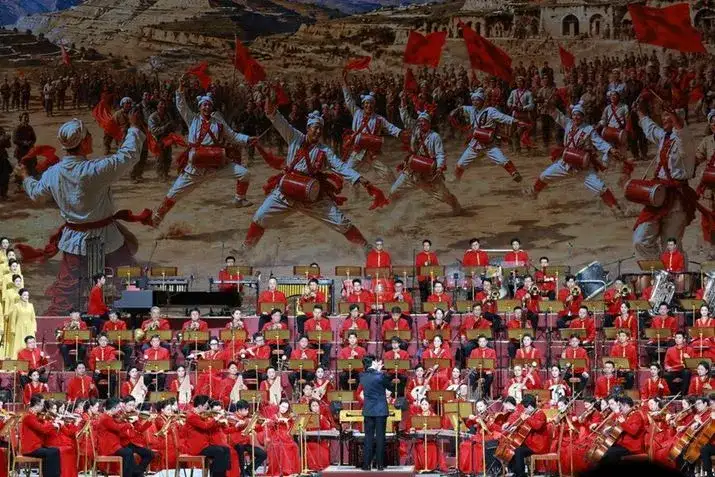
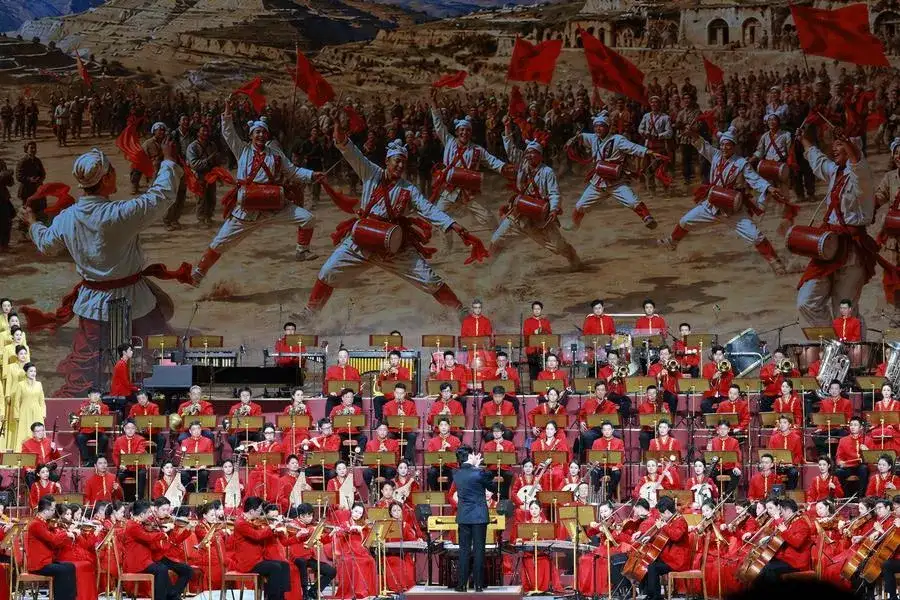
On July 1, 2026, the Communist Party of China (CPC) marked its 105th anniversary with formal gatherings in Beijing. The leadership utilized these events to consolidate its long-term policy framework and underscore the importance of internal discipline as the organization navigates contemporary domestic and international pressures.

The core development is the introduction of 'Xi Jinping Thought on Party Building', a doctrine mandating heightened internal party loyalty and rigorous governance standards across the party hierarchy.

Structural Focus and Governance
The CPC’s current positioning relies on a narrative of sustained resilience and mission-driven leadership. Official rhetoric frames the party as a "service-oriented" entity, citing the following pillars as drivers of its longevity:
Ideological Centralization: The recent symposium held on June 15 codified new disciplinary requirements, pushing for a standardized internal culture.
Economic Continuity: Promotion of "reform and opening-up" policies, paired with long-term capital investment in scientific research and human capital.
External Legitimacy: Diplomatic efforts to showcase the "people-centered" governance model to international observers, specifically in regions such as Africa, as a viable alternative for state management.
Developmental Milestones: Rhetoric centers on the "great rejuvenation of the Chinese nation," a project the party claims is supported by its ability to execute long-term, centrally planned strategies.
| Strategic Pillar | Focus Area |
|---|---|
| Governance | Centralized, mission-driven policy execution |
| Doctrine | 'Xi Jinping Thought on Party Building' |
| Development | Sci-tech innovation and poverty reduction narratives |
| Accountability | Increased emphasis on strict self-governance |
Critical Observations
While state-affiliated media frames the anniversary as a celebration of historic "miracles," independent reports suggest that the 105-year milestone functions primarily as a platform for =internal consolidation=. The emphasis on "loyalty" at the Great Hall of the People gathering suggests that the leadership perceives potential instability or "growing risks" within the current administrative environment.
Read More: Taiwan Holds Nantou County Drills to Prepare for State Collapse

The strategy of inviting international figures—such as British Ambassador Peter Wilson—to sites like Yan’an indicates a deliberate effort to frame the CPC's history as an exportable governance model. By projecting an image of stability and ideological unity, the party seeks to maintain its mandate against the backdrop of shifting global economic conditions.
Background: The CPC was founded in 1921. Its centennial trajectory has moved from revolutionary activity to state management, with the current era characterized by an intensification of centralized authority and an explicit attempt to define a 'Chinese path to modernization' as a counter-narrative to Western governance structures.