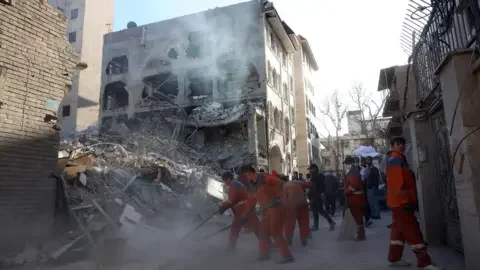
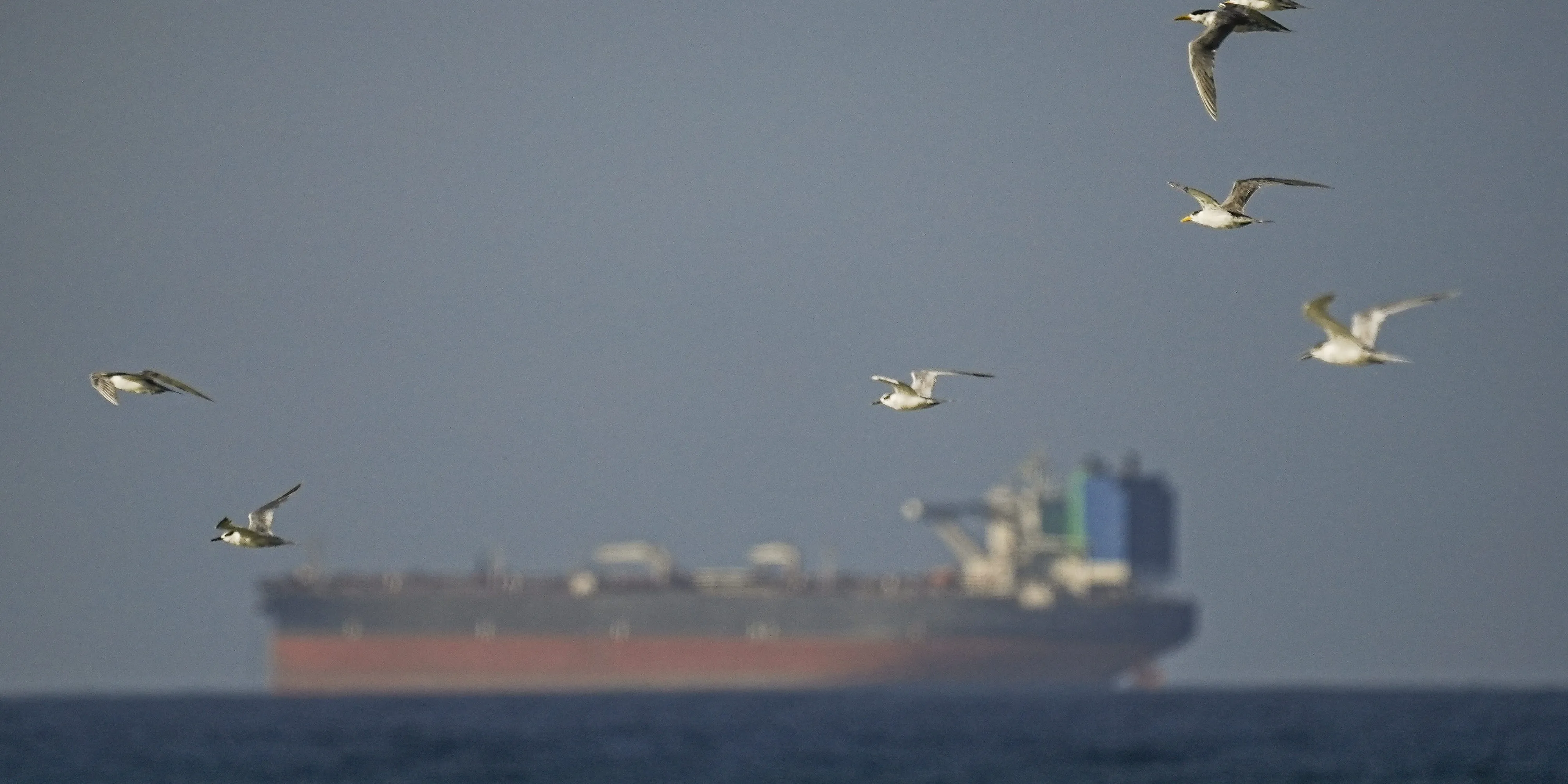
The fragile two-week ceasefire between the United States, Israel, and Iran appears effectively collapsed as of today, April 9, 2026. Following the largest wave of Israeli military strikes on Lebanon—which reportedly claimed over 250 lives yesterday—Iran has effectively shuttered the Strait of Hormuz to oil tanker traffic. The resumption of hostilities has triggered immediate spikes in global energy costs, with crude prices climbing five percent in response to the deteriorating security environment.
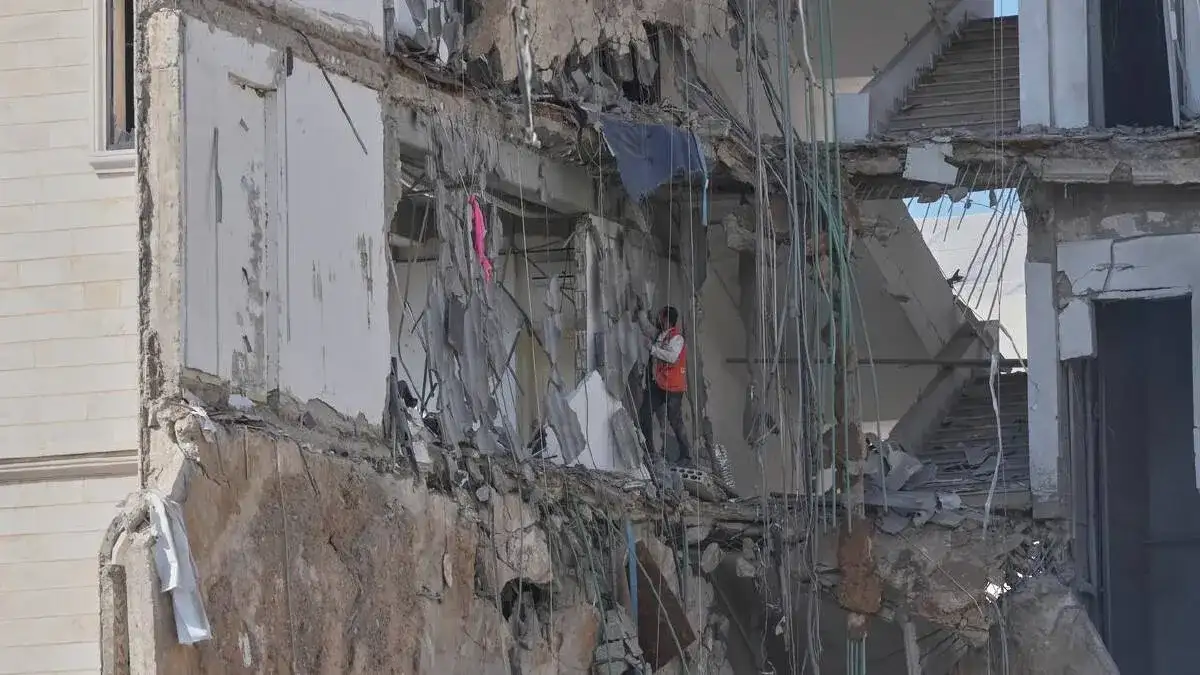
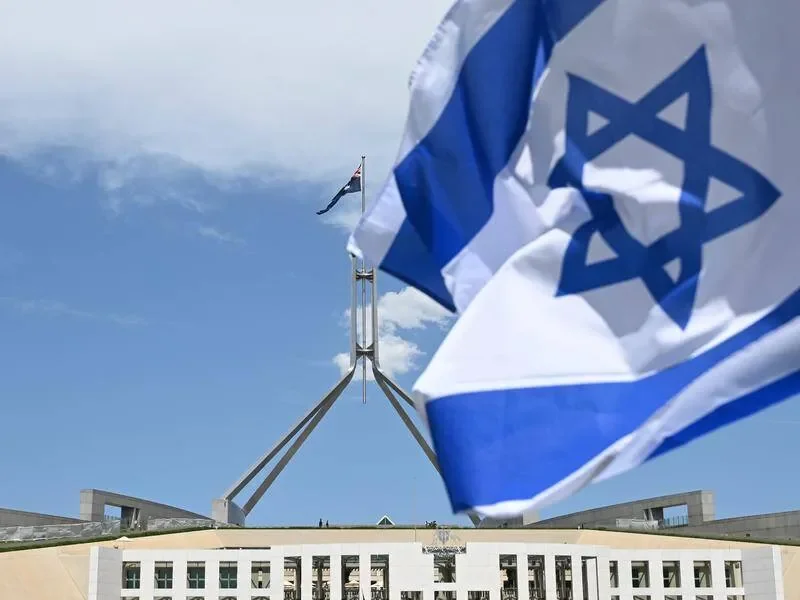
Australian Foreign Minister Penny Wong has issued a formal caution to Israel, characterizing the ongoing bombardment as a direct threat to global energy stability. While the Australian government advocates for the inclusion of Lebanon in the broader cessation of hostilities, the United States and the Israeli cabinet maintain that the existing deal exclusively concerns the Iran-US-Israel theater, explicitly excluding the Lebanese front.
Read More: Iran Ceasefire Holds After US Threatens Infrastructure Damage

| Entity | Stance on Lebanon Ceasefire |
|---|---|
| Australia (Wong/Albanese) | Must be included to secure global oil supplies |
| Israel/US | Excluded; current operations defined as necessary self-defense |
| Iran | Ceasefire 'meaningless' while Lebanon remains under assault |
Diplomatic Fracture and Market Reaction
The breakdown follows a brief window of optimism earlier this week when a two-week ceasefire was negotiated. The geopolitical architecture of this truce has proven asymmetrical; while markets priced in a stabilization of energy flows, military maneuvers on the ground have overtaken diplomatic intent.
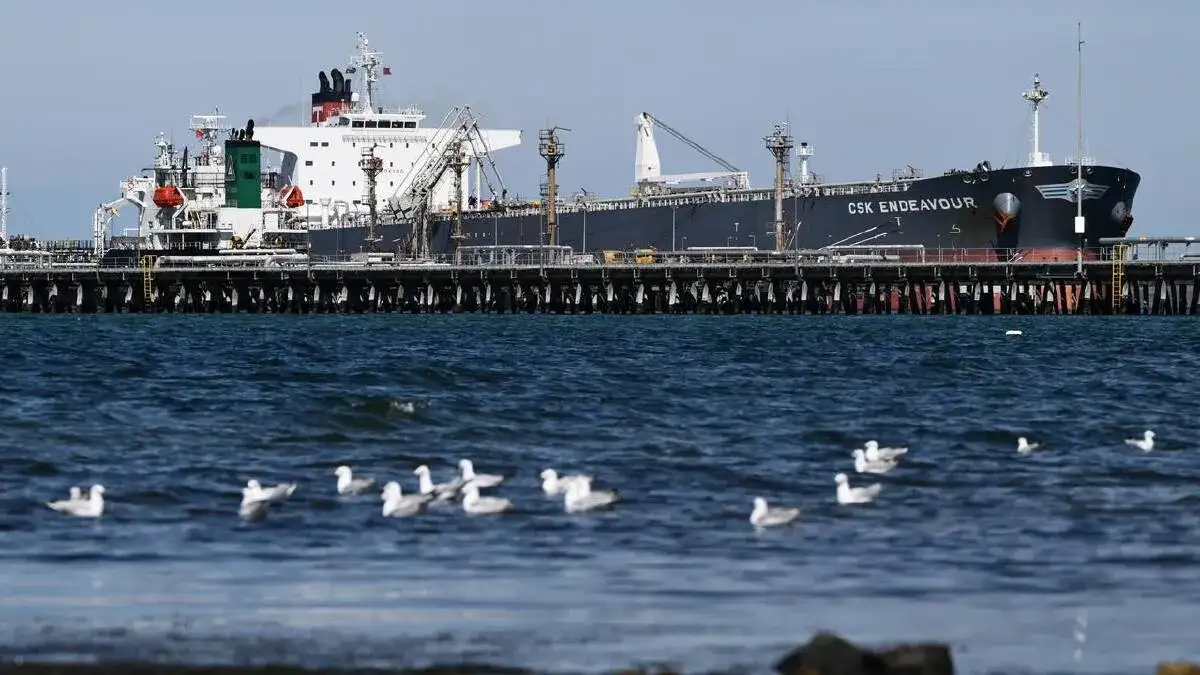
Oil Markets: Global uncertainty is manifesting as higher volatility in Asian markets, specifically concerning the Strait of Hormuz, which remains a precarious bottleneck for international trade.
Political Friction: Australian opposition figures remain split, with Defense spokesman James Paterson expressing skepticism regarding Iran's interpretation of the agreement while simultaneously voicing concern over the intensity of Israeli fire.
Retaliation Threats: Beyond the immediate Lebanon crisis, U.S. leadership has hinted at potential retaliatory measures against NATO allies perceived as having provided insufficient support during the preceding weeks of the Iran war.
Historical Context
The current escalation follows roughly 40 days of intensified regional conflict that began in late February. Throughout this period, the international community has struggled to maintain open transit through the Persian Gulf. Australia, which deployed an E7A Wedgetail surveillance aircraft to the region at the onset of hostilities, is now facing a dual crisis: managing domestic fuel security anxieties and navigating the widening diplomatic gulf between its primary security partner, the United States, and its international calls for humanitarian de-escalation.
As of this afternoon, there is no verified timeline for the restoration of the shipping route, and intelligence regarding the next phase of the conflict remains highly contested among global stakeholders.
Read More: Tehran Celebrates Ceasefire With US, Burns American Flags