Stalled Progress and Lingering Uncertainty
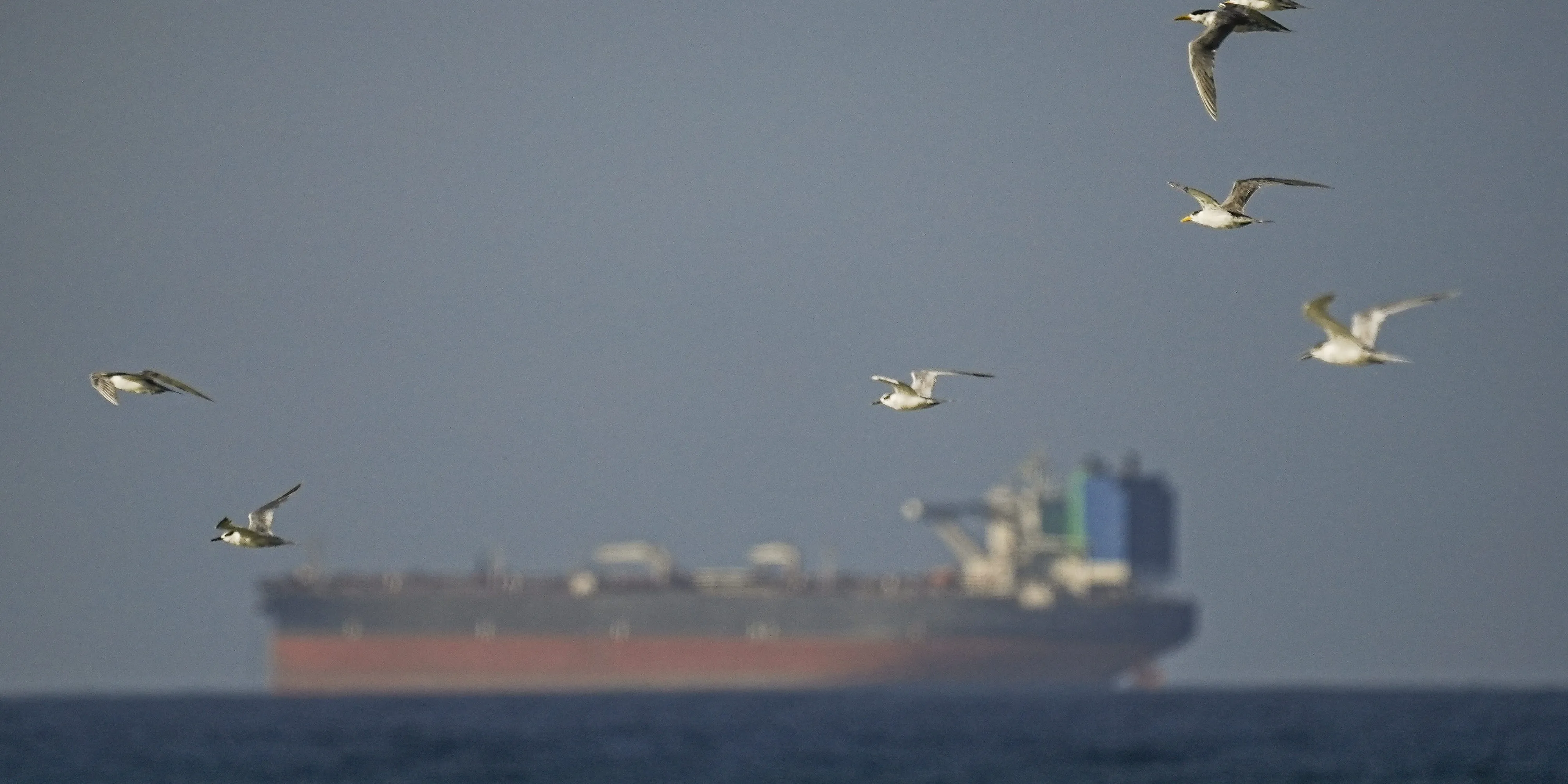
Normal maritime traffic has yet to resume in the Strait of Hormuz, a critical global energy artery, despite a recently announced two-week ceasefire between the US and Iran. Experts and data indicate that vessel movements remain severely restricted, with ships still requiring Iranian approval to pass.
The ongoing slowdown stems from Iran's continued control over passage, demanding coordination or potentially tolls for transit. This situation leaves thousands of seafarers and hundreds of vessels in a state of uncertainty. Reports suggest Iran may seek payments in cryptocurrency for passage, adding another layer of confusion.
Analysts observe that the ceasefire, announced April 7, has not translated into a significant increase in shipping activity. On Wednesday, only four transits were recorded, a stark contrast to the average of 138 ships daily before the conflict began. This lack of revival is attributed to continued caution among ship operators and the lingering requirement for Iranian authorization.
JUST IN: Thousands of ships and seafarers are affected: Around...
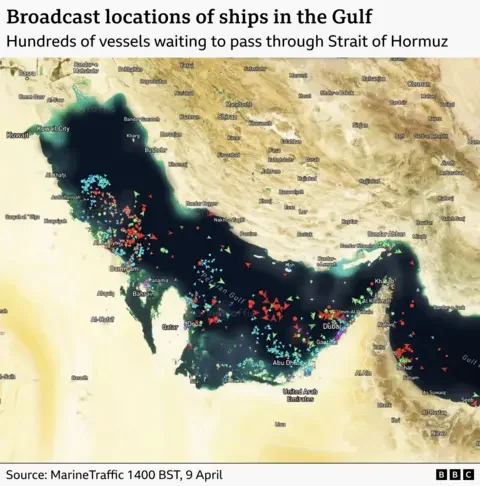
Thousands of ships and seafarers are affected: Around 3,200 vessels, carrying approximately 20,000 seafarers, remain west of Hormuz, assessing risks.
Iranian control persists: Ships must still navigate a...
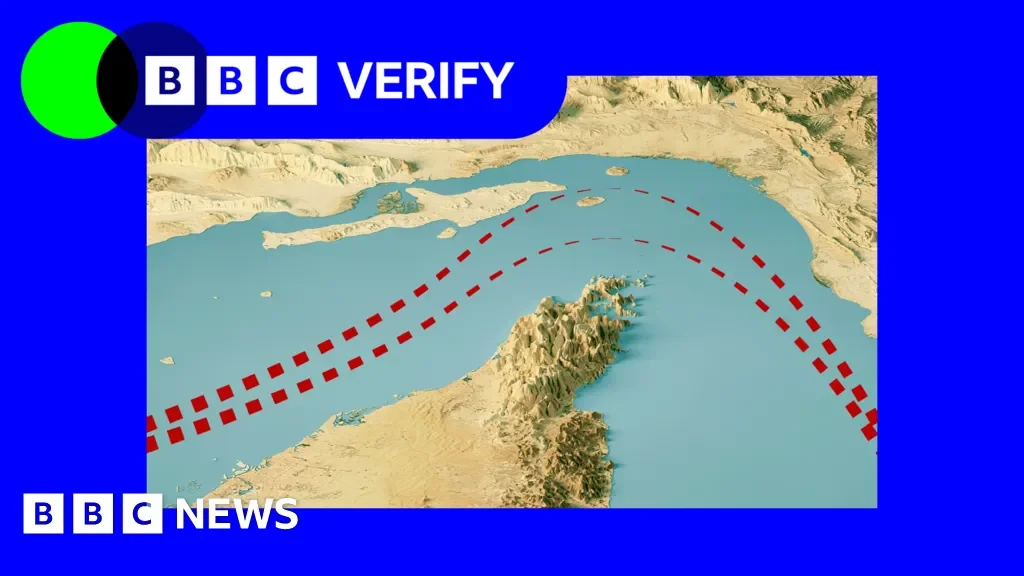
Iranian control persists: Ships must still navigate a northerly corridor in Iranian waters, between Larak island and the mainland, subject to Iranian monitoring and approval. This route further constrains capacity.
LATEST: Ceasefire Fragility and Broader Conflict
Economic repercussions continue: Oil prices, which initially dipped on ceasefire news, are expected to remain elevated. Analysts predict that even if supply eventually resumes, global shipping recovery could take months.
The fragile nature of the truce is exacerbated by continued Israeli military actions in Lebanon. Iran has accused the US of violating the ceasefire due to these Israeli strikes, which Lebanese officials report have caused significant casualties. The ceasefire agreement itself reportedly stipulated that Iran would allow the resumption of shipping through Hormuz, a condition the US wants enforced without limitations, including tolls.
FLASH: Israeli actions and Iranian reactions: Israel launched what...

Israeli actions and Iranian reactions: Israel launched what Lebanese authorities described as its largest attack on Lebanon in the current war, targeting over 100 Hezbollah positions. Iran views these as ceasefire violations.
Conflicting terms: While the US-Iran ceasefire was announced, Israeli Prime Minister Benjamin Netanyahu stated the truce did not cover Israel's conflict with Hezbollah in Lebanon.
Global energy reliance exposed: The crisis has highlighted many Asian nations' heavy reliance on energy supplies from the Gulf, prompting discussions about diversifying energy sources in the future.
Background: The Strait of Hormuz, a narrow waterway...
Background: The Strait of Hormuz, a narrow waterway between Iran and Oman, is a vital chokepoint for global oil and gas transportation. The conflict escalated dramatically on February 28, leading Iran's Revolutionary Guards to assume control of the strait, effectively halting normal shipping and sending oil prices soaring. The recent ceasefire, brokered by Pakistan's Prime Minister Shahbaz Sharif, aimed to de-escalate tensions and reopen this critical passage.