LATEST: OVER 200 DEAD AS AIR RAIDS HIT CITIES HOURS AFTER CEASEFIRE ANNOUNCEMENT
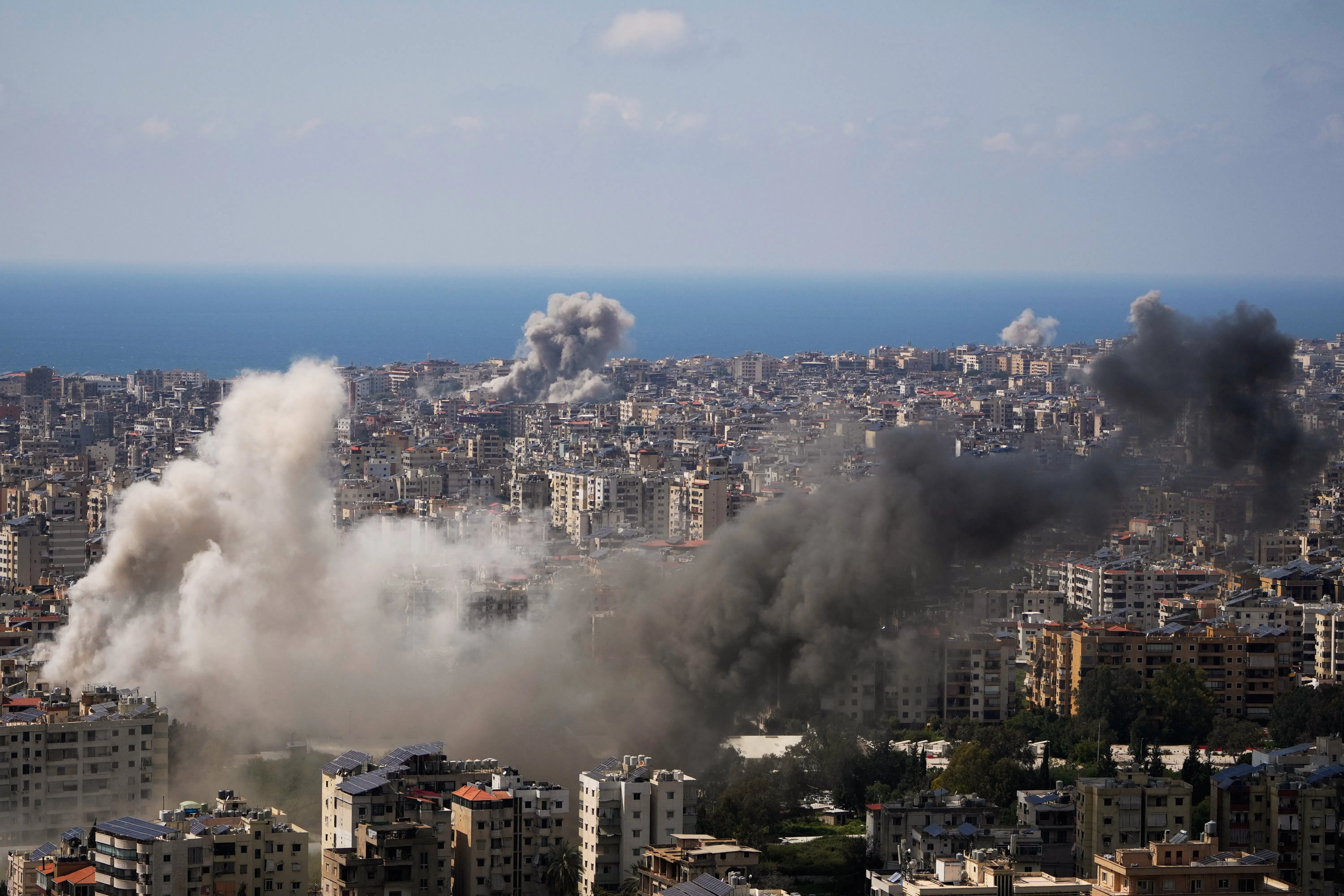
A swift, massive Israeli air assault across Lebanon, commencing mere hours after a supposed ceasefire with Iran took hold, has killed well over 200 people and injured hundreds more. The strikes, described as a "deadly blitz," targeted commercial and residential areas without warning, plunging the region back into uncertainty and drawing sharp rebukes from Tehran and international observers. The crux of the unfolding crisis lies in the divergent interpretations of the ceasefire's scope, with Israel vehemently asserting it does not extend to its conflict with Hezbollah in Lebanon, a stance directly contested by Iran and Lebanon.
JUST IN: "The Israeli strikes on Lebanon violated the ceasefire...

"The Israeli strikes on Lebanon violated the ceasefire agreement and would render negotiations meaningless." - Masoud Pezeshkian, President of Iran
The Israeli government, under Prime Minister Benjamin Netanyahu, maintains that the truce agreed with the United States and Iran specifically excluded its ongoing operations against Hezbollah. This position was echoed by US officials, including Vice President Vance, who stated that Iran "misunderstood" Lebanon's inclusion. However, Iran and Pakistan, the nation that helped broker the deal, insist the ceasefire did encompass Lebanon. Lebanese Prime Minister Nawaf Salam has reportedly sought Pakistan's support to halt the attacks, underscoring the dire situation on the ground.
UPDATE: DIVERGENT CEASEFIRE INTERPRETATIONS FUEL TENSIONS
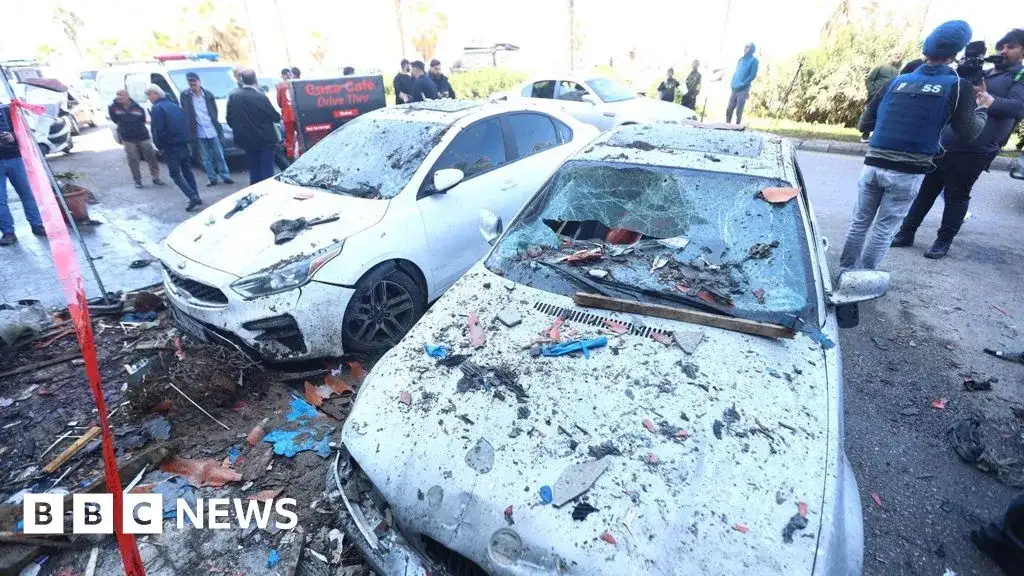
The casualty figures, while still being tallied, are substantial. The Lebanese health ministry reported at least 182 killed in central Beirut alone, with numbers reaching as high as 254 dead and over 800 wounded across the country in the initial wave of attacks. This intense bombardment marks one of the deadliest days in the recent Israel-Hezbollah conflict.

The immediate aftermath of the US-Iran ceasefire announcement was marked by immediate claims and counter-claims regarding its application. While President Trump heralded the truce, Israeli officials, including Netanyahu, quickly clarified that it did not cover Israel's operations in Lebanon against Hezbollah. This assertion appears to have been the trigger for Iran's subsequent actions, including warnings of retaliation against Israel and the halting of oil tanker passage through the Strait of Hormuz.
JUST IN: "Israel and the US had violated several clauses...
"Israel and the US had violated several clauses of the provisional ceasefire, and decried Israel’s aggressive bombing of Lebanon…" - Mohammad Bagher Ghalibaf, Iran's Parliament Speaker
UPDATE: Iranian officials have accused the US of violating...
Iranian officials have accused the US of violating multiple points of the agreement, suggesting a fundamental breakdown in trust and communication. The narrative emerging from Tehran is that Israel's actions in Lebanon represent a direct breach of the spirit, if not the letter, of the ceasefire. The complexity is further muddied by differing accounts of the ceasefire's terms, with reports suggesting Trump himself conveyed a version of the agreement that differed from what was initially suggested.
BACKGROUND TO THE ESCALATION
The current flare-up follows a period of escalating conflict between the US and Iran, which began with US and Israeli strikes on Iran on February 28th. This prompted retaliatory actions from Iran against US allies in the Gulf and from its proxies, including Hezbollah in Lebanon and the Houthis in Yemen, targeting Israel.
FLASH: Israel's justification for the strikes on Lebanon, occurring...
Israel's justification for the strikes on Lebanon, occurring hours after the ceasefire was announced, has been described as "thin" by some observers. The Israeli military claims to have targeted missile launchers, command centers, and intelligence infrastructure related to Hezbollah, stating it has killed around 1,100 Hezbollah fighters. Opposition figures in Israel, such as Yair Lapid, have criticized Netanyahu's handling of the situation, deeming it a strategic failure.
The diplomatic maneuvering involved Pakistan as a mediator between the US and Iran. Vice President Vance indicated that Israel had previously offered to restrain its strikes in Lebanon during US-Iran talks, a proposal that appears to have been disregarded or superseded by subsequent events. The White House, however, has stated it is not currently concerned that the situation in Lebanon will cause the broader ceasefire with Iran to collapse, a view seemingly at odds with the escalating rhetoric and actions from Tehran.