Each year, millions of people look for ways to recover from the common cold more quickly. The market for vitamins and supplements is large, with many products claiming to boost the immune system or stop a cold in its tracks. However, the evidence for these claims is often mixed. While some studies suggest certain minerals can shorten the time a person feels sick, other data indicates that these products may not work for everyone or must be taken at a specific time to be effective. Doctors and researchers continue to study these substances to see which ones actually help and which ones provide little benefit. This investigation looks at the current facts regarding these health products to help people understand what might work and what lacks strong proof.
The Landscape of Cold and Flu Management
The common cold typically moves through three distinct stages. Health experts note that while there is no "magic bullet" or single cure for the virus, various methods are used to manage symptoms.
Read More: India IVF Costs And Social Barriers Limit Access In April 2026
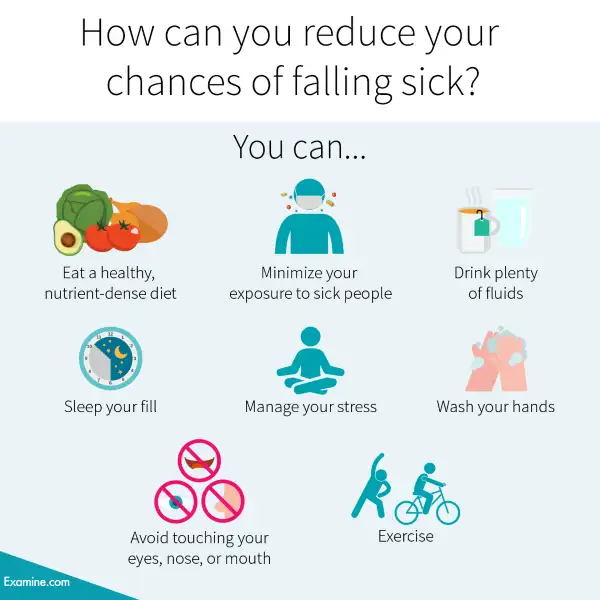
Key Actors: Family doctors, medical research groups (like Examine), and health organizations (like Ochsner Health and WebMD).
Standard Care: Most medical professionals recommend rest, drinking plenty of water, and using over-the-counter (OTC) medicines to lower fever or stop a cough.
The Shift to Supplements: There is a growing trend of using zinc, Vitamin C, and herbal remedies like echinacea to reduce the length of an illness.
Timeline of Use: Research suggests that for many supplements, the timing of the first dose is more important than the supplement itself.
Evidence from Current Health Studies
Recent reports and medical reviews provide a look at how different substances affect the body during a cold.
| Supplement | Reported Benefit | Strength of Evidence |
|---|---|---|
| Zinc (Lozenges) | May reduce the length of cold symptoms. | Strong (if taken at the first sign of illness). |
| Vitamin C | Often used to support the immune system and shorten recovery. | Moderate; benefits often come from regular diet. |
| Echinacea | Some studies show it helps get rid of a cold faster than doing nothing. | Mixed; results vary across different studies. |
| Probiotics | May help prevent lung and throat infections. | Low; current data is not yet firm. |
| Pelargonium | Found in some OTC cold medications to help recovery. | Moderate; used in specific brand-name products. |
Taking certain supplements only after you are already sick might be too late to provide a major benefit.
Analyzing Treatment Strategies
The Impact of Timing and Dosage
There is a debate among health experts about when a person should start taking supplements. Some research from Examine suggests that if you wait until you are already very sick, supplements may not help much. For example, zinc is most effective when taken as a lozenge immediately after symptoms appear.
The question remains: Is the benefit of the supplement due to the substance itself, or is it because it was taken in the very early stages of the virus?
Supplements versus Natural Food Sources
Some health reports, such as those from Healthline, suggest that getting vitamins through food is a primary way to stay healthy. Vitamin C is found in many fruits and oranges.
While some people prefer pills, others argue that the body processes vitamins better when they come from a natural diet.
Some products, like Pelargonium (found in Umcka), are plant-based but are sold as processed medicine.
Basic Care and Safety Warnings
While vitamins are popular, WebMD and other sources emphasize that basic physical care is still necessary. This includes blowing the nose correctly and using saline sprays.
There is a clear distinction between a simple cold and a serious illness.
Probing Question: Could the focus on supplements lead some people to ignore serious symptoms that require a doctor's visit?
Experts list specific "red flags" like a fever over 101.3°F, trouble breathing, or chest pain as signs that supplements are not enough.
Expert Analysis and Attributed Insights
Medical professionals emphasize that supplements should not replace traditional medical advice or vaccines.
Read More: Nations Championship rugby starts 7 April 2026 with new point system
Ochsner Health states that while vitamins can help "boost" the immune system, they are not a substitute for the flu shot. They suggest that patients should always talk to their family doctor before starting a new supplement to ensure it is safe.

Examine points out that for people who catch colds easily, a diet with enough zinc is a good preventive step. However, they warn that even with the best vitamins, a person can still get unlucky and get sick.
Findings and Future Steps
The investigation shows that while some vitamins and minerals like zinc and Vitamin C have data supporting their use, they are not guaranteed cures.
Summary of Findings:
Zinc appears to have the most consistent evidence for shortening a cold, provided it is taken early.
Vitamin C and Echinacea show mixed results but remain popular options for many.
Safety First: Doctors warn that supplements can interact with other medicines.
When to Seek Help: If symptoms last longer than 10 days or involve high fevers and breathing trouble, medical care is required.
The most effective way to handle a cold appears to be a combination of early supplement use, plenty of rest, and monitoring for serious symptoms that require professional medical attention.
Read More: Georgia Toffolo's Lake Como Trip After Fertility Talks
Primary Sources
CNET (Health & Nutrition): Discusses vitamins and echinacea for shortening colds. Link
Healthline: Provides tips on recovery and when to see a doctor. Link
Examine (via AOL): Reviews the quality of evidence for various supplements. Link
Ochsner Health: Details the role of vitamins versus the flu shot. Link
The Glowthy: Focuses on Vitamin C and immune support. Link
WebMD: Lists home remedies and hygiene tips for relief. Link