Five fire ant nests have been discovered in Musgrave Park, a key venue for an upcoming major Brisbane festival, raising immediate concerns about public health and the ongoing efforts to control the invasive species. The nests were found in the inner-city park in South Brisbane, prompting an alert to both Brisbane City Council and the National Fire Ant Eradication Program. The discovery, made by a resident on May 4, comes as the festival's preparations were underway, with fears the ants could pose a significant risk to the thousands expected to attend.

A spokesperson for Brisbane City Council confirmed that the nests discovered in Musgrave Park were destroyed on Wednesday, asserting there is "no ongoing impact to park users." However, as of Friday, no areas of the park had been cordoned off, and no signage warning of the fire ant presence was visible. This incident follows a pattern of escalating detections across Brisbane, with recent finds including New Farm Park and Ann Street near the city's central business district, as well as several local sporting fields.
Read More: Brisbane Council limits councillor information access from June 16 2026
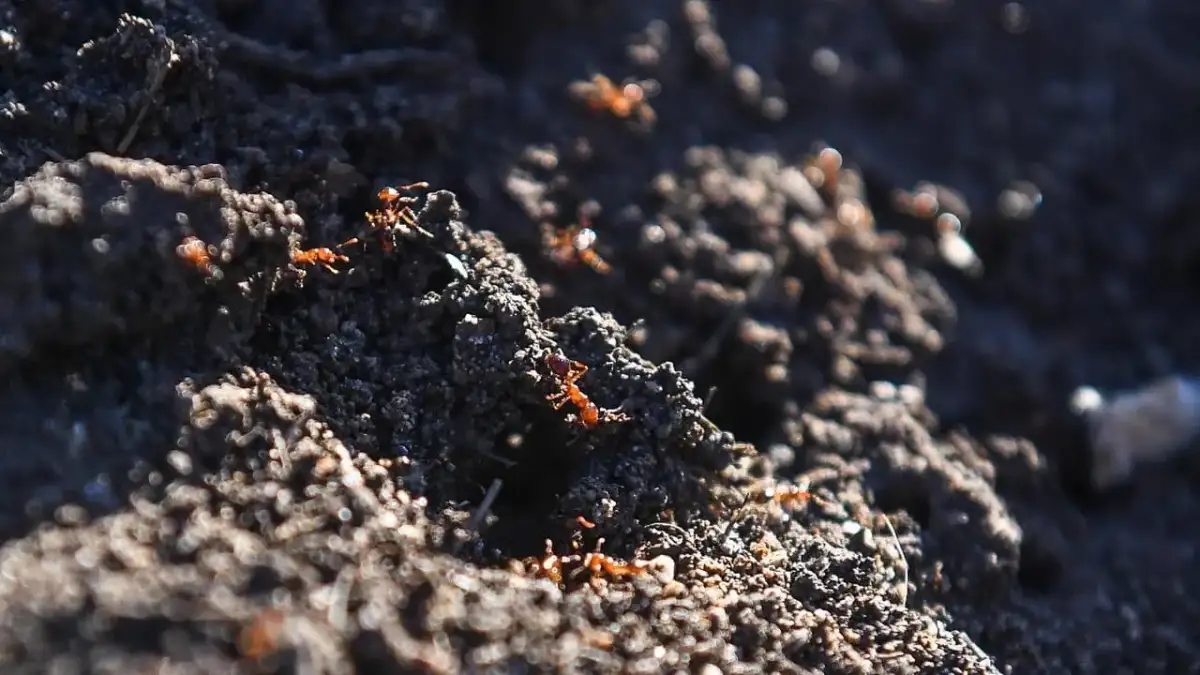
Eradication Efforts Under Scrutiny Amidst Expanding Infestation
The repeated discoveries of fire ants within Brisbane's urban core cast a shadow over the long-term viability of eradication strategies. Experts suggest that, with current methods, complete eradication may already be an "out of the question" scenario. Professor Nigel Andrew, an entomologist at Southern Cross University, has indicated that the ants are "on the march" and Brisbane is "getting a taste of it now." This persistent spread, including sightings up to 800km from established containment zones, suggests that containment efforts may be faltering.
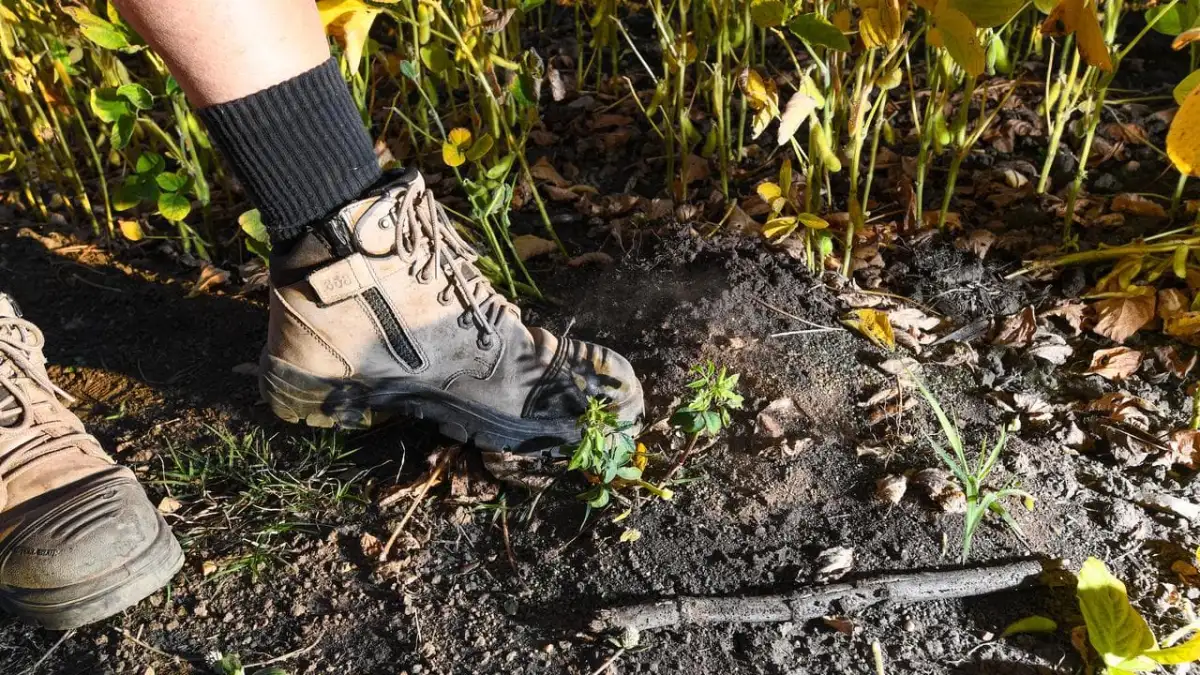
Recent weeks have seen disruptions to sporting events across south-east Queensland due to fire ant infestations, with predictions of hundreds of new nests emerging next spring, particularly in favored manicured environments like sporting fields. The invasive nature of the red imported fire ant poses unique risks, with historical parallels drawn to the United States, where the species has incurred billions in management costs since the 1930s. The implications extend beyond immediate public safety, potentially impacting ecosystems, industries, and daily life in Australia.
Read More: New 27-Storey Shafston House Tower Plans Revealed in Brisbane July 2026

A Pattern of Discovery and Delays
The National Fire Ant Eradication Program, tasked with controlling the spread, has faced scrutiny. While reviews into the program's funding, progress, and targets are standard practice, a spokesperson for the program stated such assessments are routine. Reece Pianta from the Invasive Species Council has highlighted that the Musgrave Park discovery is part of a series of concerning finds. A Queensland Department of Primary Industries spokesperson noted that treatment is prioritized in areas of high public risk, such as schools, childcare centers, parks, and sporting facilities, yet the recent park breach indicates these measures are not entirely preempting infestations in sensitive public areas.
Read More: Brisbane Motorcyclist Flees Crash Scene, Police Seek Witnesses
The fire ant, an invasive species known for its painful, burning sting and potential for extensive environmental damage, measures only 2-6 mm and is often mistaken for larger native ant species. Queens can fly up to 5 kilometres, laying as many as 2,000 eggs daily, facilitating rapid spread. The urgency of the situation is underscored by the approaching Olympic and Paralympic Games, for which Brisbane is preparing.
Background: Fire ants, scientifically known as Solenopsis invicta, are native to South America. They were first detected in Australia in 2001 in Brisbane. Their aggressive nature, painful sting, and rapid reproduction rates make them a significant pest. The National Fire Ant Eradication Program is a collaborative effort between the Australian Government and the Queensland Government, established to prevent the establishment and spread of fire ants across Australia. Despite significant investment and ongoing efforts, the species has continued to expand its range, raising concerns about the effectiveness and funding of long-term eradication strategies.
Read More: New student housing in South Brisbane to ease rental shortage