The ongoing global shortage of helium, exacerbated by the conflict in the Middle East and domestic supply chain issues, is beginning to manifest beyond party balloons, threatening the operational integrity of weather forecasting systems and critically impacting high-tech manufacturing sectors.
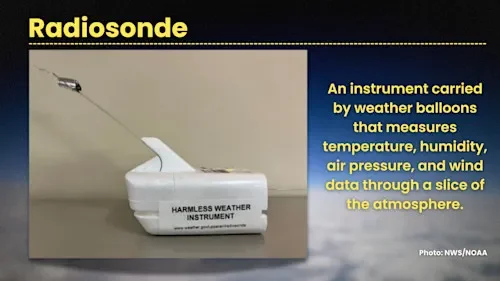
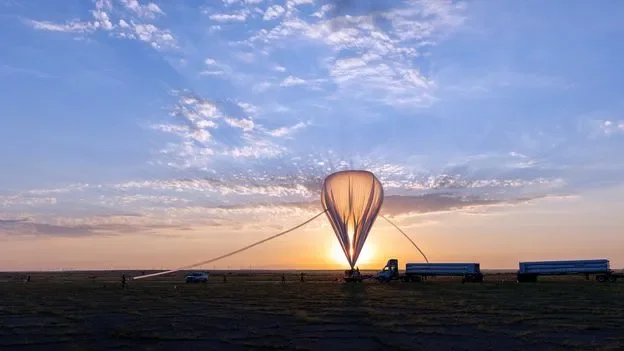
The disruption to weather balloon launches, which occur twice daily at hundreds of global sites, could lead to pauses in data collection. While many weather stations utilize hydrogen, a significant number, reported as 12 sites in Canada alone, still rely on helium as their lifting gas. Supply chain disruptions, particularly from the Middle East, are anticipated to prolong these helium scarcities for months.
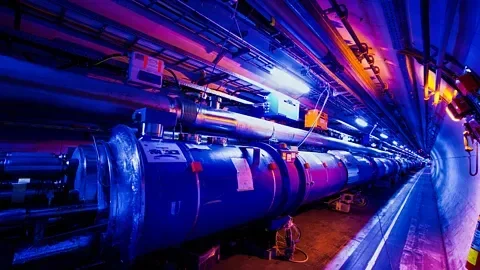
Beyond meteorology, the scarcity poses a severe challenge to industries reliant on helium's unique properties. Semiconductor manufacturing, where helium is crucial for its exceptional thermal conductivity in cooling and in etching processes, faces significant strain. Chipmakers struggle with the gas's difficulty in containment and the lengthy requalification periods required to switch suppliers, making them vulnerable to existing shortages. Medical imaging, specifically MRI machines, also consumes substantial amounts of helium, adding another layer to the demand pressure.
Read More: Zuckerberg's Hawaii Compound Adds Underground 'Shelter' for Storm Safety

A World Running on Empty Gas
This latest helium crunch, dubbed "shortage 4.0" by some observers, is not an isolated incident. The world has experienced four major helium shortages in the last two decades alone, highlighting a systemic fragility in its supply chain. This instability has been amplified by events such as the sale of the US Federal Helium Reserve, intended as a strategic stockpile, and disruptions at key production facilities, like the temporary closure of a major US helium plant in Cliffside, Texas, which removed approximately one-third of global supply.
Ripple Effects Across Sectors
The ramifications of this dwindling helium supply extend broadly. Industry experts are already informing US-based clients, including those in the semiconductor and electronics manufacturing fields, to anticipate shortages and price increases. The space industry also finds itself affected, using helium for purging rocket fuel tanks. Aluminum supplies, another critical industrial material, are also reportedly disrupted by the same geopolitical events.
Read More: Bengaluru citizens protest stalled flyovers and loss of green space on April 1st
Background: The Elusive Element
Helium, a noble gas, is notably uncooperative and difficult to contain, making its storage and transport challenging. Its unique thermal conductivity makes it indispensable for advanced lithography in semiconductor production and for the rapid cooling required in complex manufacturing processes. The global supply chain for helium, always a point of risk, has been further destabilized by the conflict in Iran and the subsequent disruption to the Strait of Hormuz, a critical shipping chokepoint. North American helium mining and exploration efforts, while existing, have reportedly seen limited activity for various reasons, adding another dimension to the supply puzzle. Some British Columbia-based firms reliant on helium have stated they are not yet concerned, possessing sufficient supplies for the immediate future, typically lasting one to two months.