Public Displays Highlight Stalled Projects and Ecological Concerns
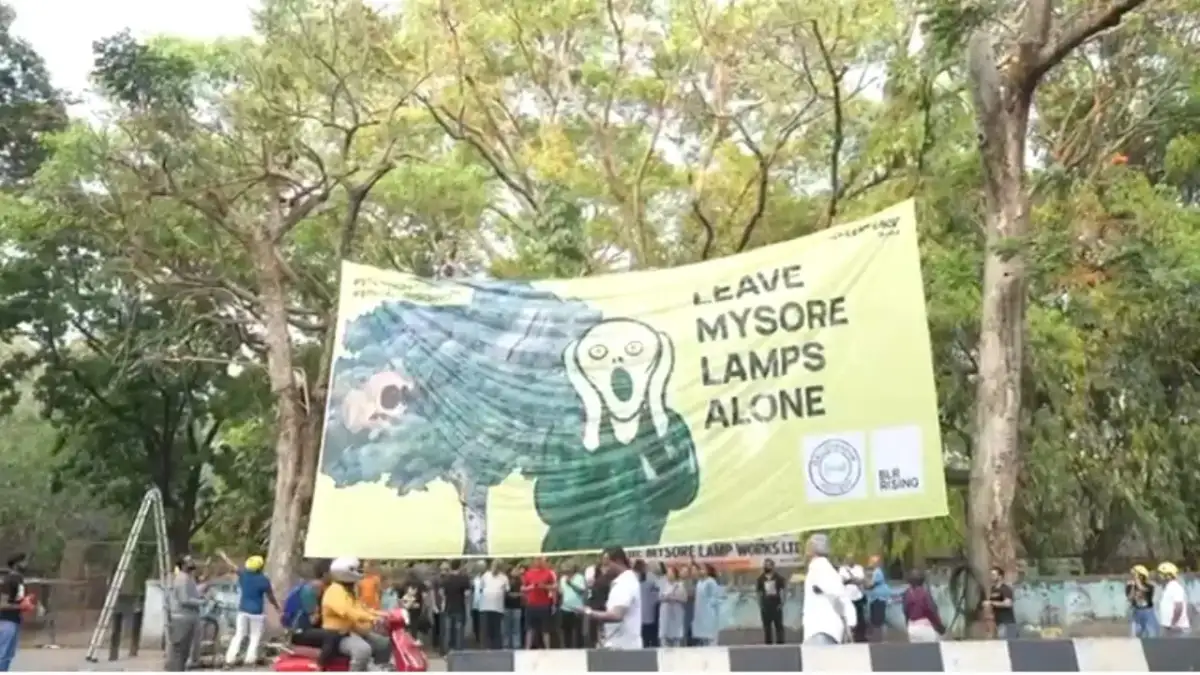
In a striking display coinciding with April 1st, activists and citizens in Bengaluru have publicly decried a pattern of what they term "stupid projects." The campaign, led by Greenpeace India and supported by various citizen collectives, uses visual metaphors inspired by Edvard Munch's "The Scream" to critique urban development failures.
The core of the protest targets infrastructure projects plagued by significant delays, escalating costs, and a failure to address the intended problems, all while disrupting daily life and often encroaching on vital green spaces.
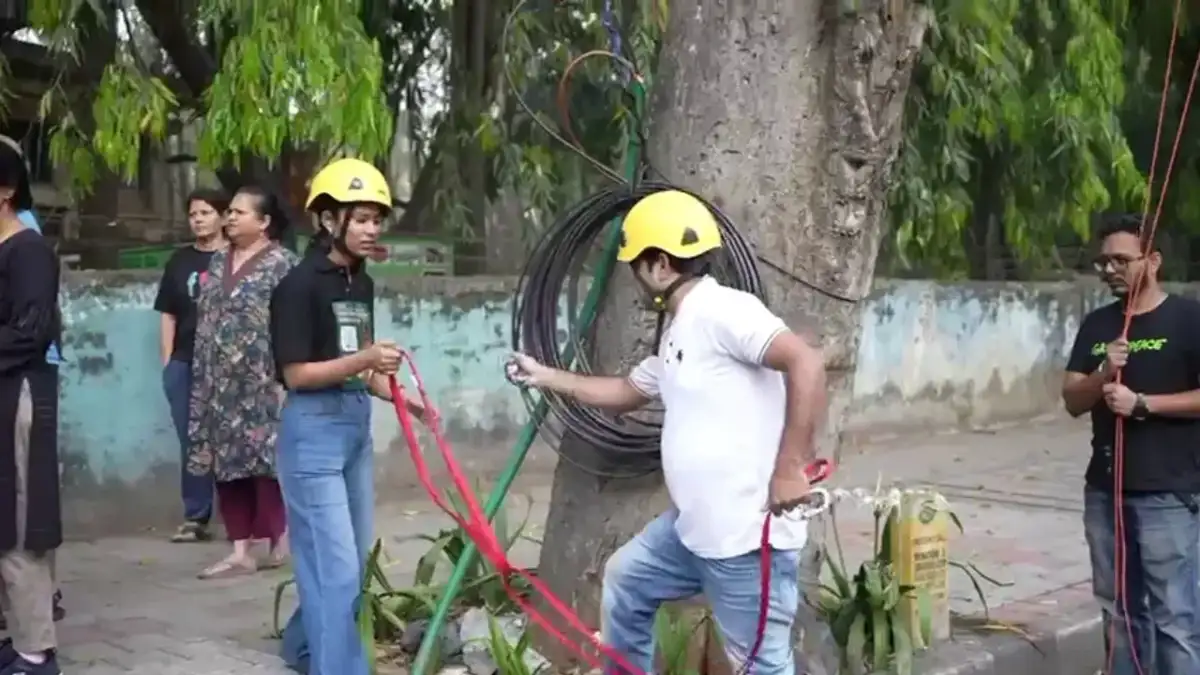
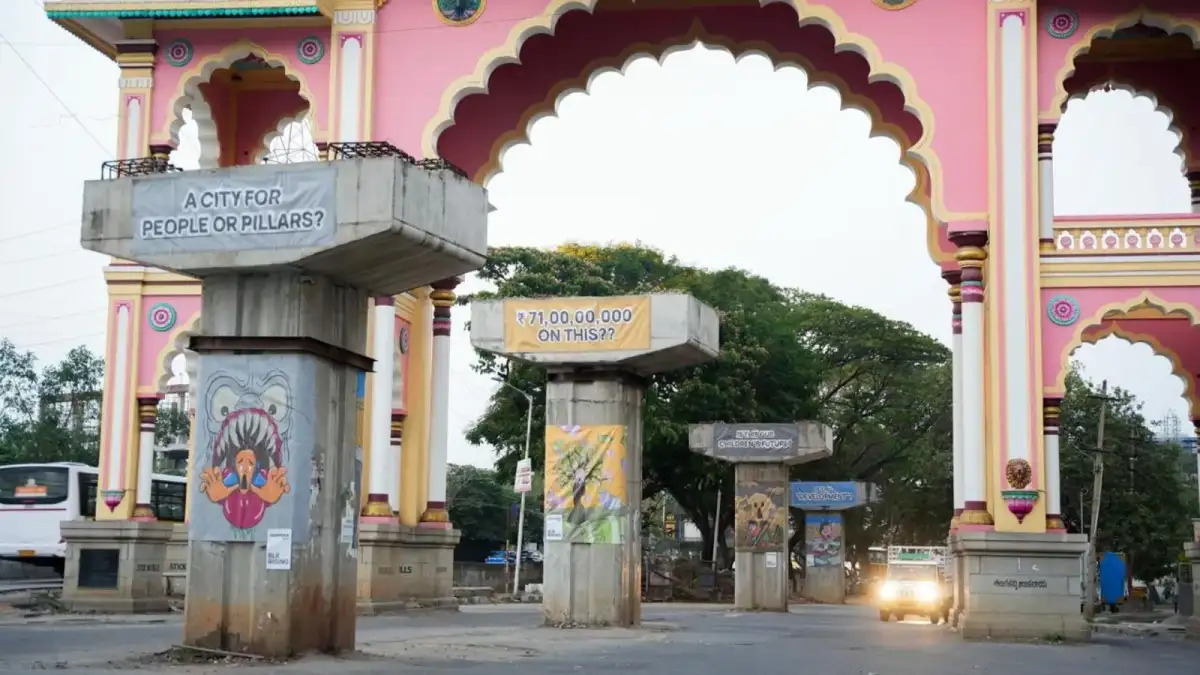
Specifically, the Rajarajeshwari Nagar Arch Flyover, stalled for over four years, and the Dommasandra flyover, delayed for nearly six years, have become focal points. Banners placed at these sites questioned the efficacy and value of these projects, asking, "Is this development?" and "₹72 crore for this?" The campaign also voiced concerns about the proposed convention centre at the Mysore Lamps factory site, arguing that replacing its dense, forest-like canopy with a concrete structure would exacerbate traffic and pollution while sacrificing crucial urban green cover.
Read More: How Onikuru facility in Ibaraki City changes local visit habits in 2026

Protests Draw on Public Frustration
The "Bengaluru Rising" campaign saw activists plastering unfinished flyover pillars with 'Scream'-themed caricatures, a visual commentary on the city's ongoing construction woes. Beyond the flyovers, the intervention extended to the Mysore Lamps factory land, where the loss of a significant urban forest is a central concern.
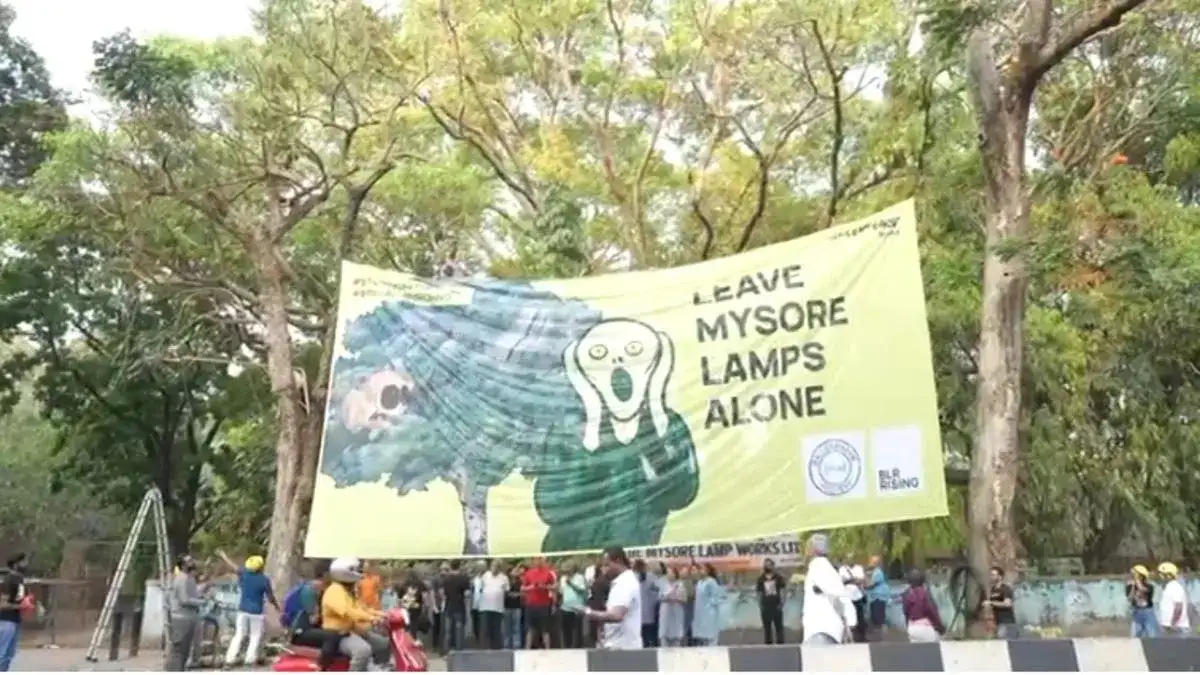
The demonstrations aimed to highlight a disconnect between government-driven, large-scale concrete projects and citizen aspirations for more livable, sustainable urban environments.
Workshops held prior to the protests, termed 'Imaginariums', involved diverse groups like students and long-term residents, collecting feedback on desired urban futures.
Commuters reportedly stopped to photograph the protest banners, sparking conversations on social media and reviving public debate over the city's stalled developments.
Ecological and Social Trade-offs Under Scrutiny
The critique extends beyond mere delays, focusing on the fundamental planning decisions. Activists argue that these projects prioritize extensive concrete expansion over environmental preservation and fail to tackle issues like traffic congestion and accessibility.
Concerns were raised that projects often benefit only a limited segment of society, contrasting with the need for accessible public green spaces.
Groups like Malleswaram Social have underscored the ecological value of sites like the Mysore Lamps factory, advocating for their preservation as shared community spaces with parks and walking paths, rather than commercial complexes.
The campaign asserts that current development models, focused on flyovers and road widening, come at the expense of walkability, clean air, and the city's dwindling natural resources.
Background: A Pattern of Disruption
The public displays, deliberately timed for April 1st, drew inspiration from Edvard Munch's iconic painting, reflecting a sense of anguish and urgency regarding the city's trajectory. The choice of date, April Fool's Day, underscored the perceived "foolishness" of ongoing urban planning strategies. The affected projects mentioned in the reports include the Rajarajeshwari Nagar Arch Flyover, the Ejipura flyover, the Jalahalli grade separator, and the Dommasandra flyover, in addition to the Mysore Lamps site development. This multifaceted approach seeks to bring a broader public consciousness to what organizers perceive as systemic issues in Bengaluru's urban expansion.
Read More: Amazon Land Use Changes Cause Disease Clusters in Brazil