Two historical farmland ponds, long choked by sediment and shade, have been successfully restored on the Hertfordshire-Essex border. These sites are now holding water throughout the summer, a feat not achieved in over a decade. The intervention involved clearing surrounding trees to allow more sunlight and rebuilding the original pond basins, a process that has apparently encouraged the return of various species, including breeding newts.
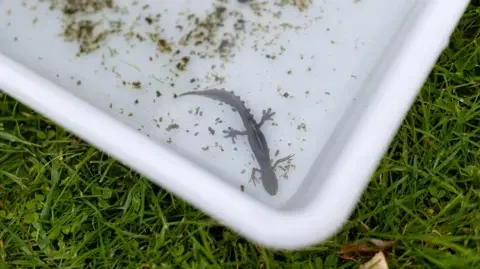
Similar efforts are underway across Essex, where a collaborative project between Essex Wildlife Trust, the RSPB, Farming & Wildlife Advisory Group East, and local farmers has reportedly reinstated 400 "lost" farmland ponds. These bodies of water, once common features of the rural landscape, diminished significantly during the post-World War Two era due to altered farming practices and the consolidation of fields. Historical maps from the late 19th century suggest Essex once boasted over 17,000 such ponds.
Read More: Amazon Land Use Changes Cause Disease Clusters in Brazil
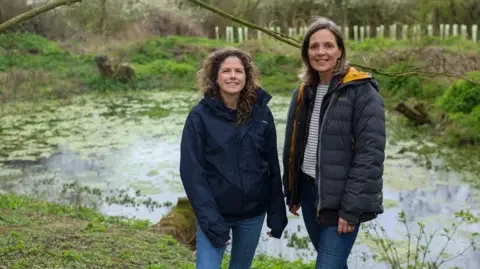
The restoration of these ponds is framed as a significant gain for local wildlife. =The work aims to recreate a more connected rural wetland environment, essential for a variety of species.= This initiative is part of a broader movement recognizing the ecological value of these small water bodies. Organizations like the Wildfowl & Wetlands Trust (WWT), in conjunction with research groups and other wildlife trusts, are actively investigating and promoting the benefits of farm pond restoration.
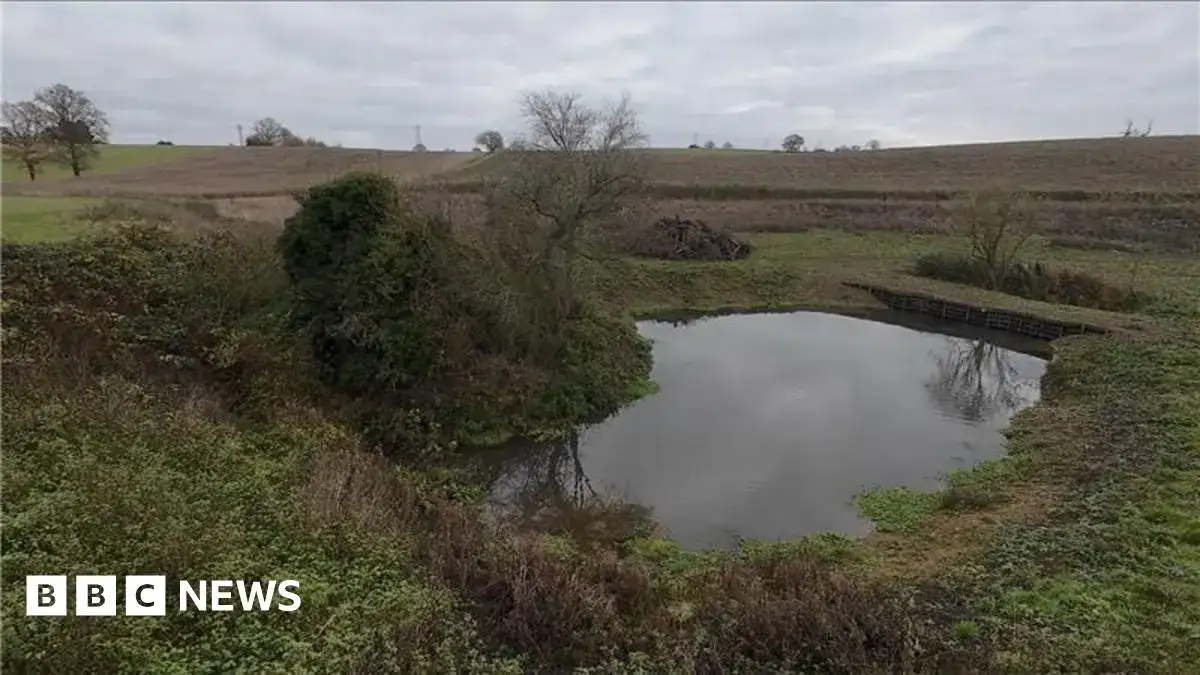
Background: The Neglected Waterways
Farmland ponds were once integral to rural life, serving practical purposes for both humans and the environment. Their decline is linked to changes in agricultural methods that prioritized larger, more uniform fields, often at the expense of these smaller, biodiverse habitats. The process of restoration often involves addressing issues of siltation and overgrowth, which can turn a thriving pond into a mere damp patch.
Read More: Orangutan Mothers Plan Playdates for Babies in Borneo
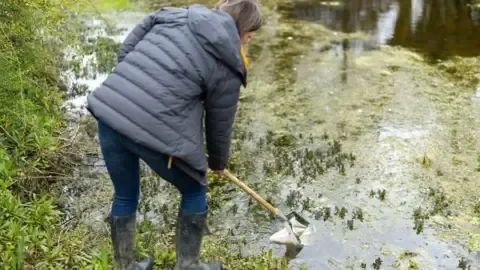
Initiatives such as the '#Big50 ponds project' and programs supported by schemes like Natural England's 'District Level Licensing' highlight a growing awareness of the need to revive these forgotten features. These licenses, designed to mitigate the impact of development on protected species like the great crested newt, can fund pond restoration or creation as compensatory habitat. Monitoring efforts, including DNA testing of water samples and surveys of plant and animal life, are employed to gauge the success of these projects. The stated objective is to provide evidence of the multiple benefits these restored ponds offer, from supporting specific wildlife populations to enhancing the overall health of the agricultural landscape.