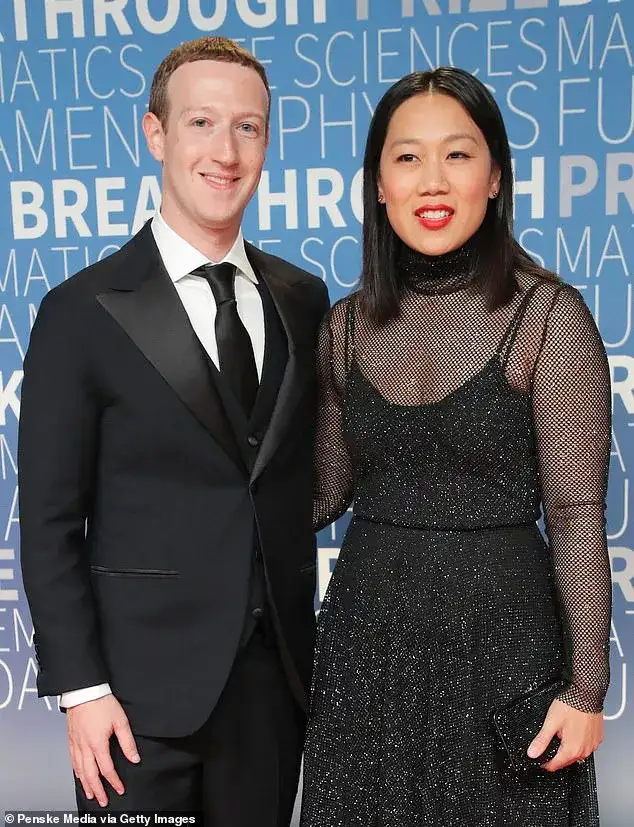
Mark Zuckerberg is expanding his Hawaiian compound to include a 5,000-square-foot underground structure. Reports indicate the space, currently under development, integrates features of a 'doomsday' shelter—including a massive, self-sufficient water supply system and extensive subterranean living quarters. While public discourse labels the facility a nuclear bunker, the Meta executive has described the site as a 'little shelter' intended for storm safety.
Design elements within the broader compound appear to draw visual inspiration from the forest moon of Endor, specifically the 'shield generator bunker' featured in Return of the Jedi.
| Feature | Reported Function |
|---|---|
| Concrete Walls | Blast resistance / Structural integrity |
| Water Reservoir | 55-foot diameter / Independent supply |
| Air Filtration | Standard for high-end "safe room" specs |
| Aesthetic | Engineered to mimic woodland terrain |
The Normalization of Survivalism
The shift toward private, hardened architecture is not isolated to a single executive. A growing sector of tech billionaires and high-net-worth individuals are commissioning domestic bunkers as a response to global volatility. These projects often prioritize autonomy:
Self-sufficiency: Systems for independent food production and water harvesting are now standard in high-end construction requests.
Faraday shielding: Advanced designs incorporate measures to isolate internal environments from external electromagnetic interference.
Panic protocols: Integration of multi-layered surveillance and encrypted communication lines creates a fortified perimeter within the home.
Cultural Framing of "The Event"
The conceptualization of these spaces mirrors a broader societal anxiety, frequently discussed in the tech industry as "The Event." The terminology—doomsday, bunker, apocalypse—reflects a departure from the traditional survivalist movement, which was once relegated to the fringe.
Read More: Chrome mimeHandler API lets extensions handle file types
The industry currently fueling this trend emphasizes 'resilience' as a premium product. Companies providing these services cater to a class that views geopolitical and environmental instability as a calculated risk requiring engineering solutions. This trend reveals an asymmetrical reality: as concerns regarding global catastrophe gain traction among the elite, the remedy is increasingly sought in physical insulation—a "bunker mentality" that constructs an artificial distance between the occupant and the world outside.