New research posits that climate shifts could be nudging hailstorm activity away from the equator and towards the planet's colder regions. This potential relocation of severe weather events raises questions about preparedness and impact in areas less accustomed to such phenomena.

The study's findings indicate a possible geographical redistribution of where hailstorms occur. This means that while some areas might see fewer hailstorms, others, particularly those closer to the poles, could experience an increase. This is a significant departure from current patterns.
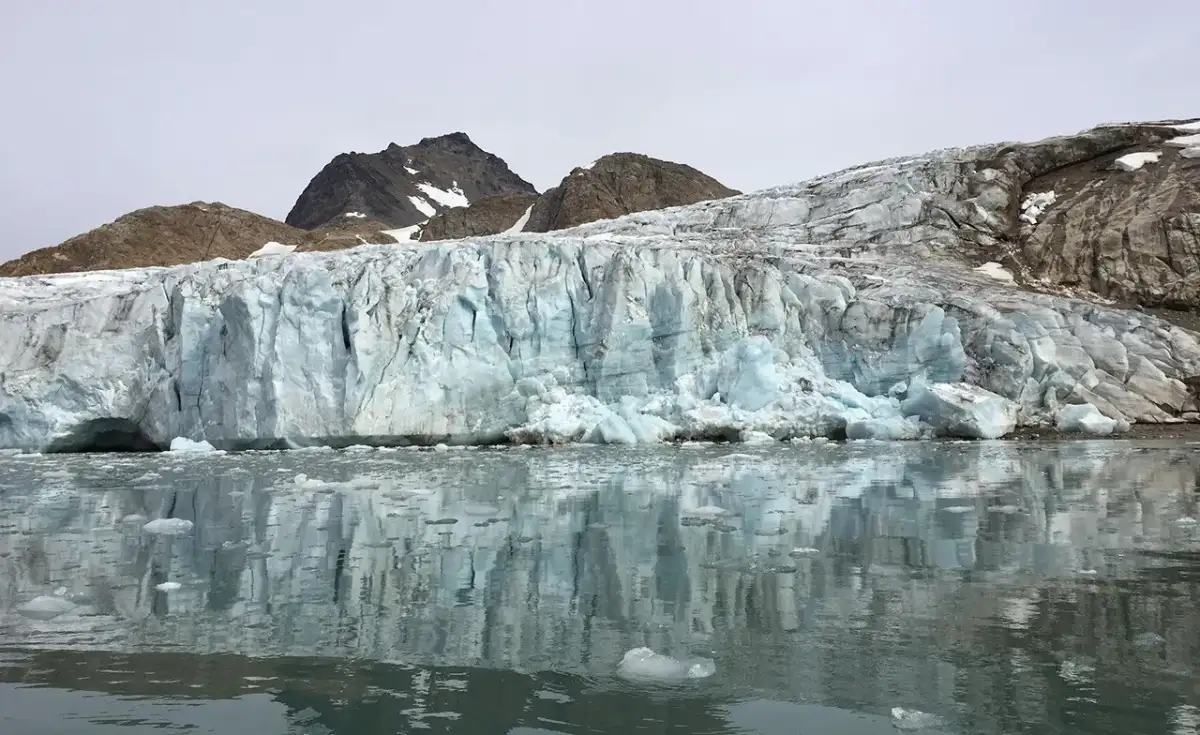
The exact mechanisms driving this potential shift are still being explored. Climate variability and change, defined as long-term alterations in average weather patterns, are understood to affect numerous facets of society. These include elements like food production, health, housing, and energy resources.
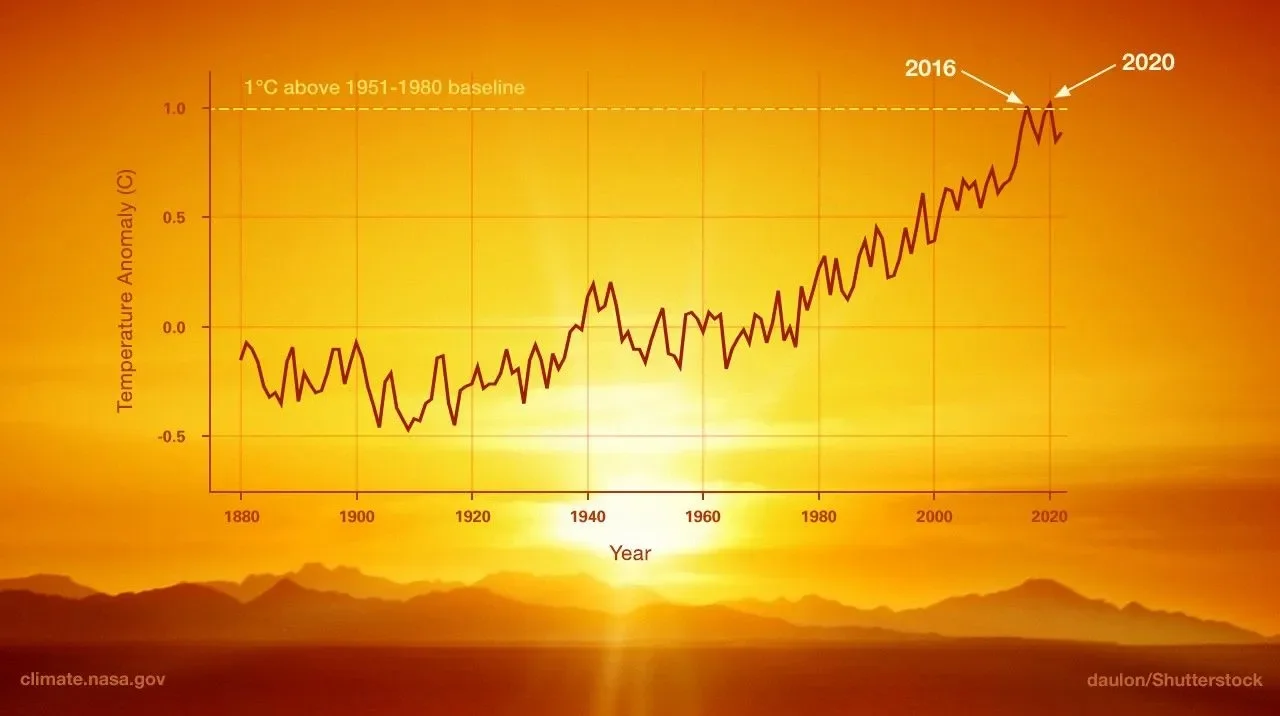
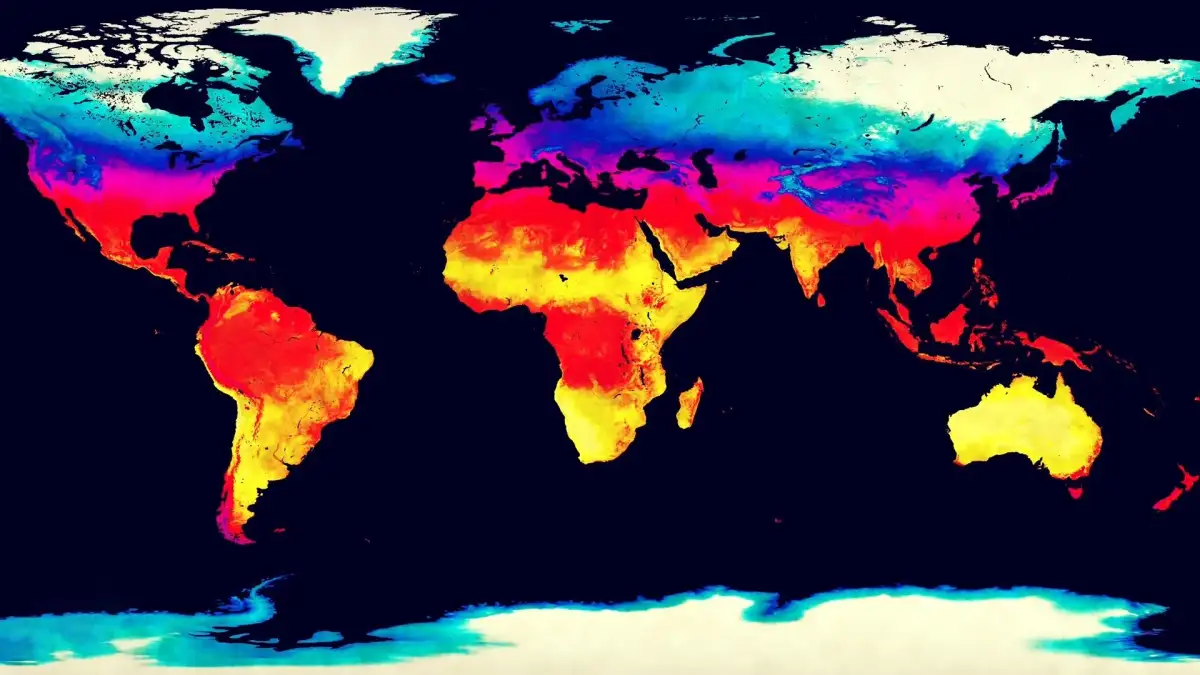
Understanding climate is crucial. Meteorologists measure and predict climate patterns over extended periods, often using 30-year averages to establish norms. This scientific endeavor helps in assessing the impact of human activities on the climate, as well as the influence of natural systems like oceans and atmospheric moisture. Organizations like the World Meteorological Organization (WMO) coordinate global efforts to study climate, its variations, and extremes, publishing reports to inform climate-resilient decision-making.
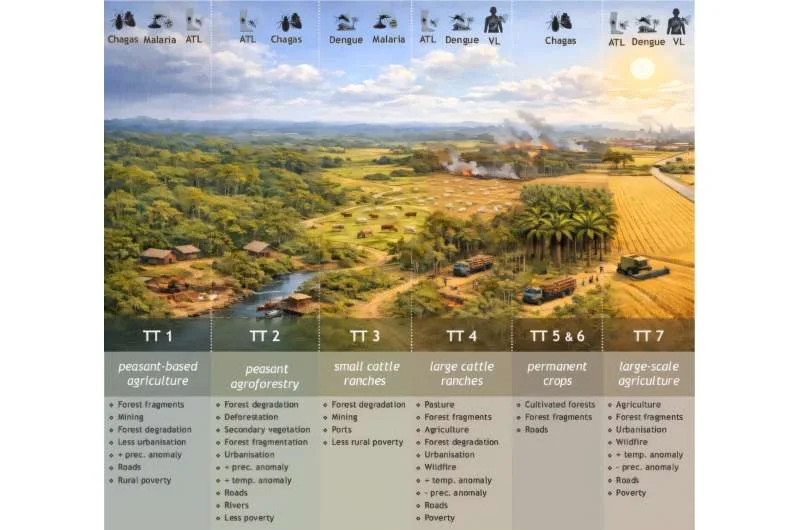
Read More: Amazon Land Use Changes Cause Disease Clusters in Brazil
Global climate models can be refined to regional levels through dynamic or statistical downscaling, offering a more localized view of potential impacts. This process is vital for understanding and adapting to the risks associated with a changing climate.