France and South Korea are cementing a more robust defense cooperation, a move amplified by escalating global tensions, particularly the ongoing Middle East conflict. The agreement signals a deepening strategic alignment between the two nations, building on prior discussions and exchanges.
The core of this intensified partnership involves mutual efforts to boost defense ties, with both countries recognizing their roles as significant arms manufacturers. This collaboration is not just about talk; preliminary agreements are slated to cover crucial sectors like critical minerals, semiconductors, quantum technologies, and nuclear energy.

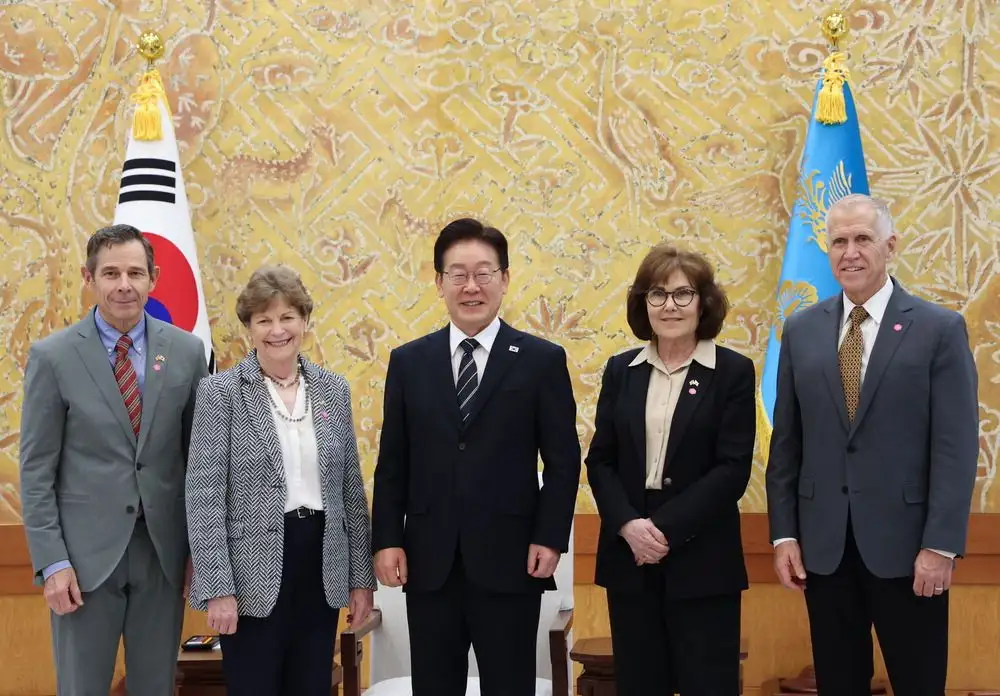
President Emmanuel Macron’s recent visit to Seoul, following a trip to Japan, underscores the geopolitical significance of this enhanced relationship. The summits held in Seoul have been directly framed against the backdrop of the Middle East war, with France expressing solidarity and a call for a ceasefire.
Read More: Ukraine gets 100 Patriot missiles with $1 billion EU loan for defense
Strategic Intersections
The drive for increased defense cooperation between France and South Korea is occurring within a broader context of South Korea's emergence as a significant defense exporter. Seoul is actively seeking alliances to expand its global market share, targeting both European and Middle Eastern nations. This positions South Korea as a potential alternative to traditional suppliers, a dynamic that carries implications for regional stability and established defense procurement markets. France, a key member of NATO, finds common ground with South Korea’s ambitions, particularly as both nations navigate a landscape of geopolitical instability and the increasing importance of economic security.
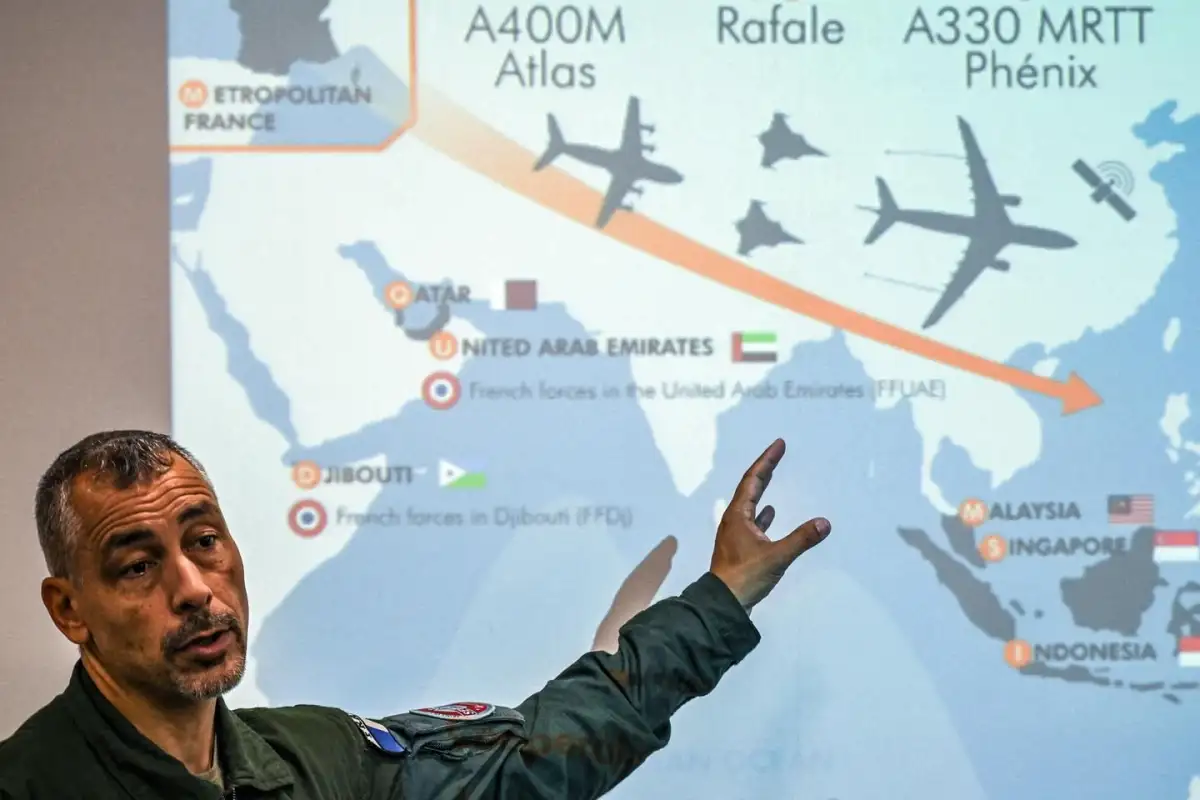
The Ministers exchanged views on global issues including climate change, environment, development cooperation and health, and agreed to further deepen the shared efforts going forward. The Ministers had in-depth discussions on the overall bilateral relationship, the potential for cooperation in the Indo-Pacific region, and a range of regional and global issues. The Ministers reaffirmed their will to further strengthen the Korea-France Comprehensive Partnership for the 21st Century between the two Governments through active high-level exchanges and concrete projects for cooperation, particularly in the fields of civil nuclear energy, space, renewable energy, digital technology, aeronautics and low-carbon mobility. In particular, they confirmed their commitment to working closely in the field of development cooperation projects in the Indo-Pacific region. The Ministers agreed, amidst the increasing importance of economic security, to strengthen cooperation in enhancing supply chain resilience and enhancing technological competitiveness.
This strategic convergence is also evident in nuclear energy. South Korea's reliance on energy imports, particularly through vital shipping lanes like the Strait of Hormuz, adds a layer of practical urgency to securing fuel supplies. Memoranda of understanding between South Korean and French nuclear companies are aimed at securing fuel for South Korean plants and establishing a foundation for joint ventures in the global nuclear market.
Read More: AFP Reviews War Crime Claims Against Australian in Gaza
A Pattern of Engagement
The recent summit builds upon a series of strategic dialogues and exchanges between the two nations. Foreign ministerial strategic dialogues have consistently reaffirmed a commitment to strengthening the "Korea-France Comprehensive Partnership for the 21st Century." These discussions have spanned a wide array of areas, including the Indo-Pacific, civil nuclear energy, space, renewable energy, and digital technology.
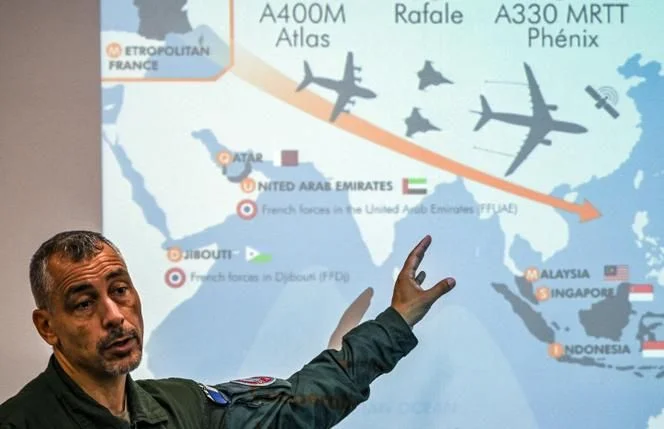
France has also expressed solidarity with South Korea concerning the security challenges posed by North Korea. This shared concern reinforces the rationale for enhanced defense and technological cooperation, especially in light of perceived threats from Russia and North Korea.
Broader Context of Defense Exports
South Korea's burgeoning defense industry is actively seeking international partnerships. The country has already become the world’s tenth-largest defense exporter, with its sales to the Middle East tripling in recent years. Seoul's strategy involves offering technology transfer, local production arrangements, and politically flexible partnerships, making it an attractive option for nations seeking to diversify their defense procurement.
Read More: India to Spend $2 Billion on New Drones for Defense
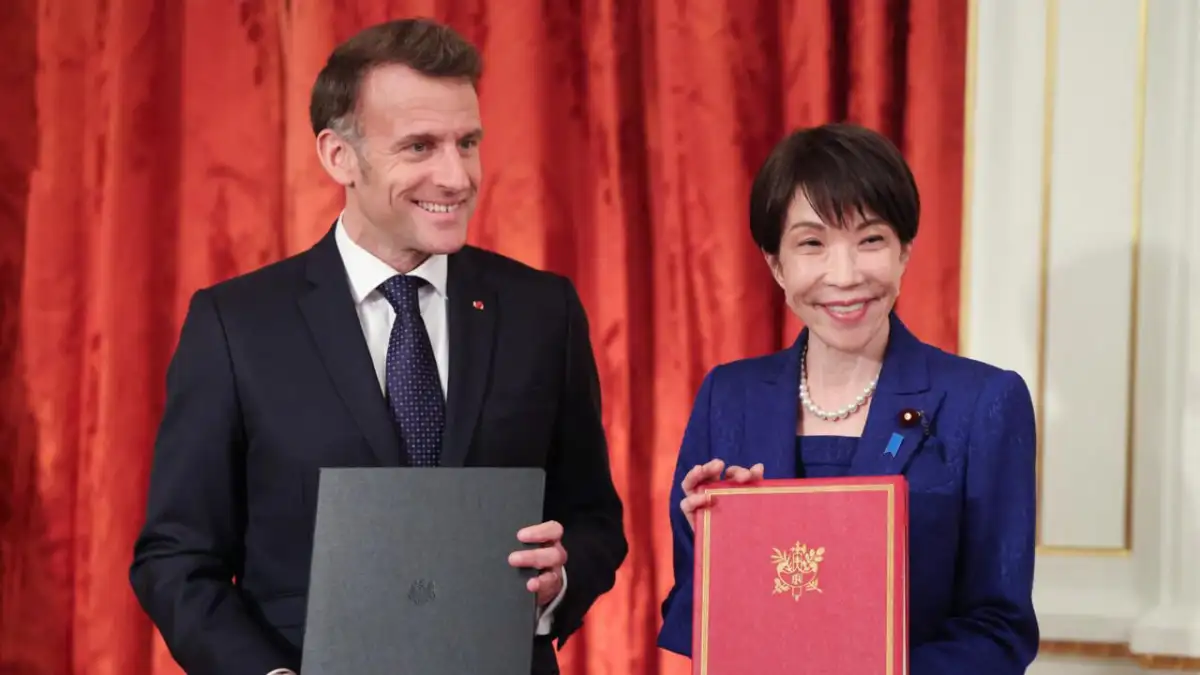
This expansion into European and Middle Eastern markets is supported by a reorganization of South Korea's bureaucracy to bolster its defense exporters. The country is highlighting its advancements in areas such as artificial intelligence, drones, and robotics as key selling points.
Historical Threads
The diplomatic relationship between France and South Korea is long-standing, marked by cooperation in scientific and cultural spheres. This partnership is built on pillars that include dialogue on international issues, security and defense cooperation, economic ties, and cultural and educational exchanges.
The initial French military training with its South Korean counterpart in 2023, for instance, was framed within the context of shared history and a desire to perpetuate partnership. North Korea has previously voiced criticism regarding French military exercises in the region, highlighting the sensitive geopolitical backdrop against which Franco-South Korean defense engagements unfold.
Read More: Indus Waters Treaty remains suspended in India and Pakistan April 2026
The comparison of military strengths between France and South Korea, while theoretical, provides a snapshot of their conventional capabilities as of 2026. This data is often presented in a context of assessing potential conflict scenarios.