Exclusion of Used Vehicles Reflects Affordability Concerns, Shifting Government Stance
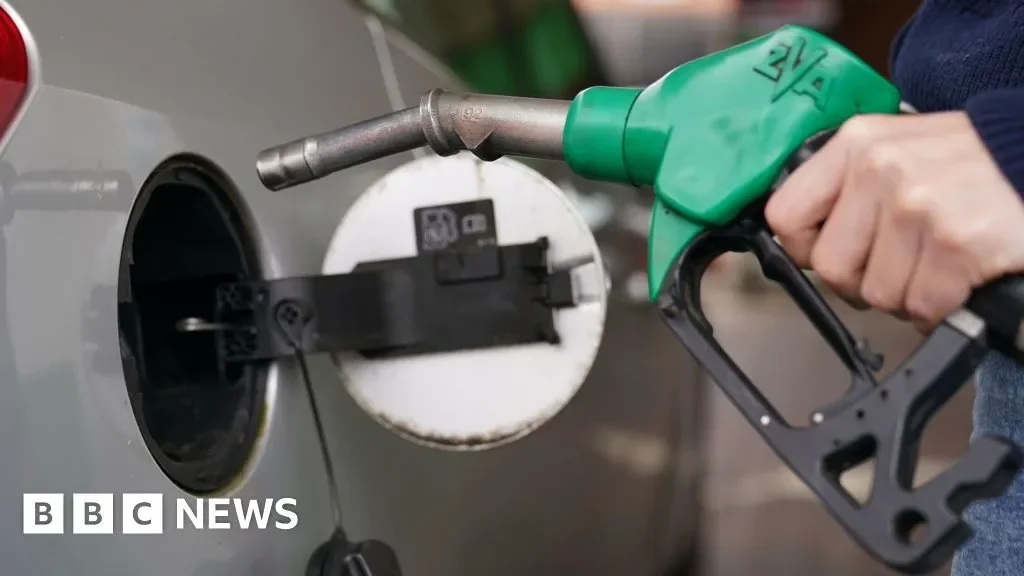
Jersey's environmental targets have seen a significant modification, with the government officially shelving plans to ban the import of used petrol and diesel vehicles from 2030. This abrupt change follows substantial public and business feedback, indicating the proposed policy was widely perceived as impractical and financially burdensome for island residents. The shift away from including second-hand vehicles in the immediate phase-out aims to accommodate affordability concerns and facilitate a more equitable transition towards lower-emission transport.
Public Feedback Drives Policy Reversal
The decision, announced by Environment Minister Steve Luce, comes after a public consultation process that garnered over 200 responses. The overwhelming sentiment expressed was a clear lack of support for including used vehicles in the phase-out, prompting the government to adjust its strategy. Luce stated that retaining the availability of used petrol and diesel vehicles will help ensure that the financial burden of this change does not disproportionately affect those with fewer resources. The focus now appears to be on encouraging the replacement of existing vehicles with zero or low-emission alternatives as they reach the end of their useful lives, rather than mandating immediate disposal or import bans for used stock.
Read More: Amazon Land Use Changes Cause Disease Clusters in Brazil
Modified Approach to Decarbonisation
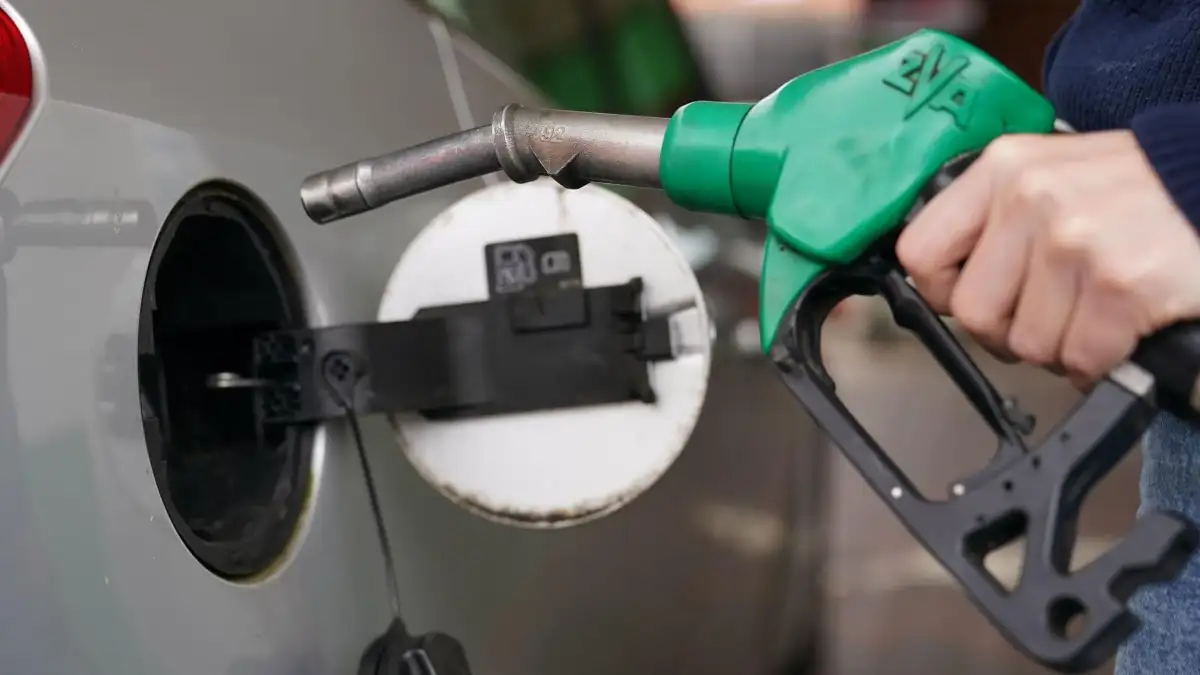
While the immediate ban on used petrol and diesel car imports has been scrapped, the broader objective of decarbonising Jersey's transport sector remains. The government still intends to prevent the registration and importation of new petrol and diesel vehicles, though a specific timeline for this aspect is subject to ongoing analysis and potential modification. Road transport accounts for a considerable portion of the island's total emissions, with cars being a significant contributor, making this transition a priority. Deputy Luce emphasized that the policy is not about forcing drivers to scrap their current vehicles, and those already in use will be permitted to remain on the road for the duration of their operational lifespan.

Acknowledging Economic Impacts and Future Tax Implications
The reconsideration of the ban on used vehicles was also influenced by an early assessment of its economic impact. This assessment, alongside public feedback, highlighted compelling reasons to revise the initial plan. The government is now looking into alternative methods for generating revenue to offset potential decreases in fuel duty income, which would likely result from a wider adoption of electric vehicles. Discussions are planned between the Environment Minister and the Treasury Minister to devise a new road vehicle tax structure. Exemptions are anticipated for classic cars, adapted vehicles, and essential services like ambulances and hearses. Furthermore, the government acknowledges concerns regarding the disposal and recycling of electric vehicle batteries and is undertaking work to ensure adequate facilities are in place, potentially through producer responsibility schemes.
Read More: Jersey recalls 250 patients for repeat bone scans due to reporting errors

Background of the Proposed Phase-Out
The initial proposals were part of Jersey's 'Carbon Neutral Roadmap,' aiming to significantly reduce the island's environmental footprint. The original plan had envisioned a complete phase-out of petrol and diesel vehicle imports and registrations by 2030. However, even before the public consultation, there were expressed doubts from senior government figures. The Chief Minister, Lyndon Farnham, had previously voiced concerns about the pace of the plan, citing the slow adoption of electric vehicles, associated high costs, and limitations in charging infrastructure as potential obstacles. These reservations underscored the complex interplay between environmental ambitions and practical implementation challenges within the island's specific context.