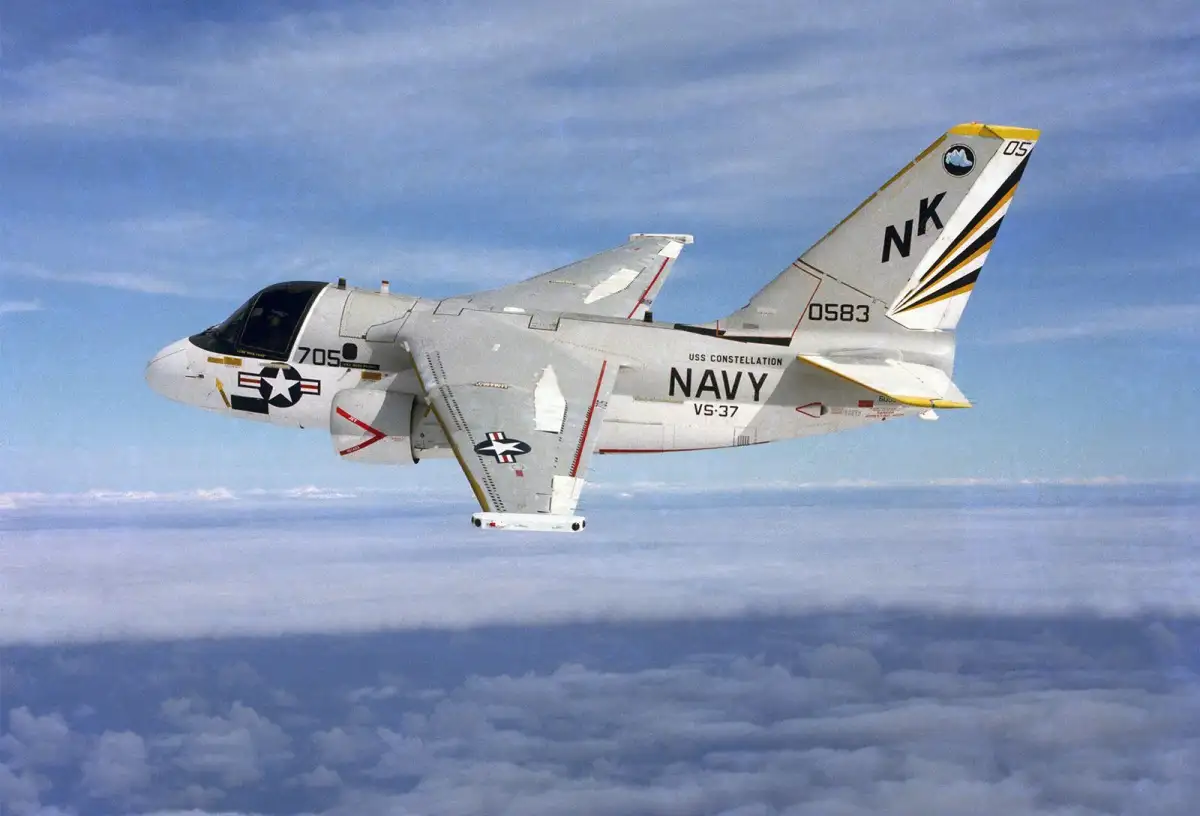
Lockheed Martin and RTX have been awarded substantial contracts, underscoring their ongoing pivotal role in the nation's defense and aerospace sectors. The precise details of the deals, particularly concerning the F-35 fighter jet program and other defense systems, remain subjects of ongoing scrutiny.
"The awarding of these contracts signifies a continuation of established relationships within the defense industrial complex."
Lockheed Martin has secured a contract valued at approximately $1.9 billion for the production and maintenance of C-130J simulators. This agreement mandates work across numerous Air Force, Marine Corps, Coast Guard, and Air National Guard installations, both domestically and internationally, including locations in Germany and Japan. These sophisticated simulators are designed to replicate various flight conditions, from normal operations to emergency scenarios and adverse weather, aiming to train aircrews for a wide range of operational challenges.
The broader operational scope of Lockheed Martin extends to space exploration and missile defense, including contributions to systems like the Aegis Ballistic Missile Defense system. The company's historical roots trace back to early aviation pioneers, with significant military aircraft production throughout the post-World War II era. Its advanced development division, Skunk Works®, is noted for its rapid aerospace innovation. The company's future trajectory is intrinsically linked to the evolving dynamics of the U.S. Department of Defense budget and its continued investment in sophisticated aerospace and defense technologies.
Read More: Ukraine gets 100 Patriot missiles with $1 billion EU loan for defense
The involvement of RTX in these defense contracts, particularly concerning the F-35 program, highlights a complex web of industrial dependencies and technological integrations. While specific details regarding RTX's contributions remain less publicly delineated in the provided information, their position as a major player in aerospace and defense suggests a substantial, if sometimes less visible, impact on the overall ecosystem. The company’s broader focus encompasses missile and defense systems, alongside fire control technologies, reinforcing its significance in national security infrastructure.