Service Leadership Upheaval as Conflict Grinds On
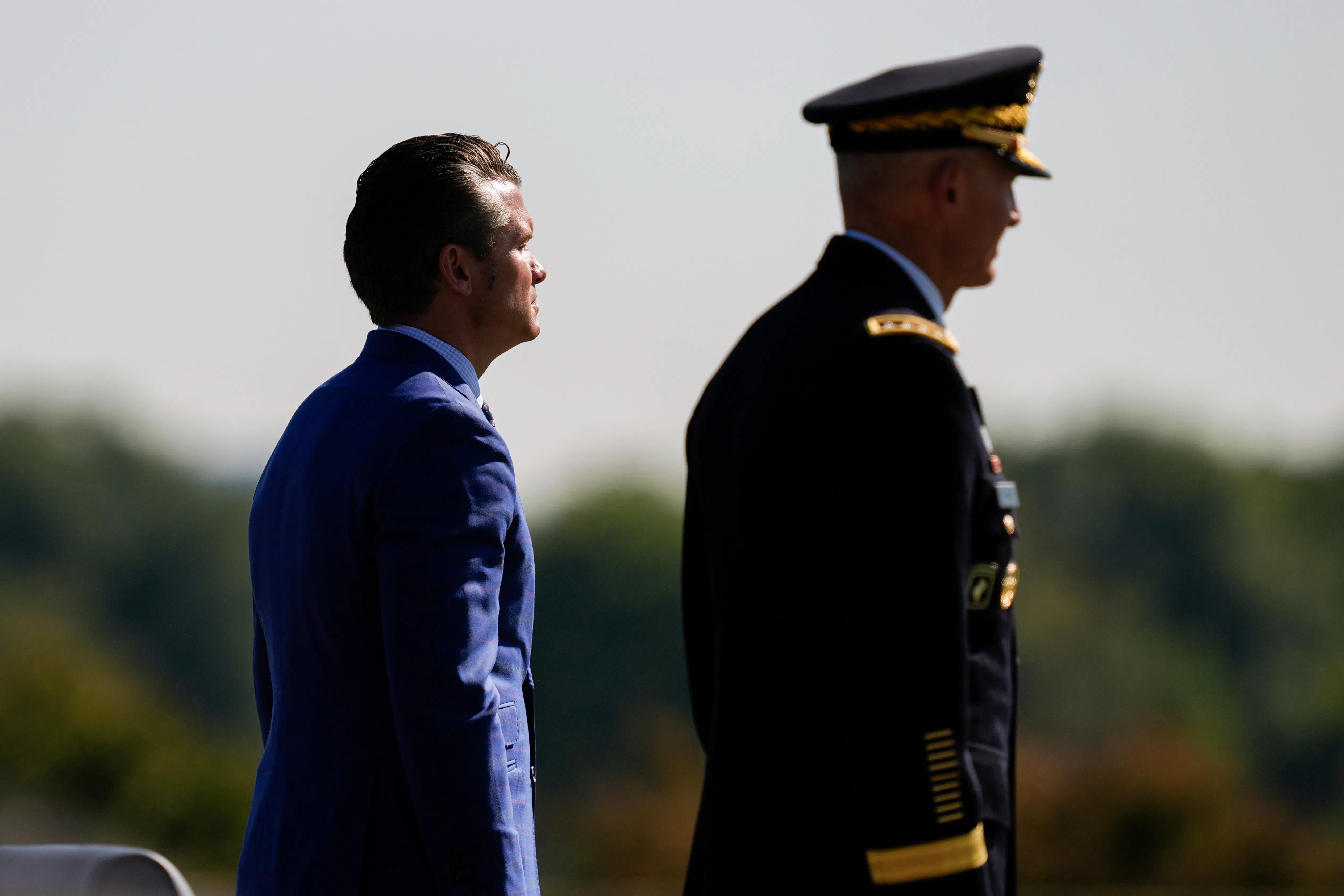
Defense Secretary Pete Hegseth has demanded the resignation of Army Chief of Staff Gen. Randy George, a jarring development occurring while the United States remains embroiled in its conflict with Iran. The Pentagon confirmed Thursday that George is expected to step down, though no specific reason for his departure has been officially stated. This unprecedented move marks the latest friction between Hegseth and the military's upper echelons during a period of intense military operations.
Hegseth Criticizes Allies, Stresses "Decisive" Moment
Pentagon spokesperson Sean Parnell offered no further explanation for Gen. George's exit. Meanwhile, Pete Hegseth himself has characterized the ongoing war as reaching a "decisive" stage. He publicly called for international partners to demonstrate greater commitment, singling out the United Kingdom's Royal Navy for not being more actively involved.
"You don't have much of an alliance if you have countries that are not willing to stand with you when you need them," Hegseth stated, emphasizing the need for global solidarity. He also alluded to the administration's diplomatic overtures, suggesting that Iran would be wise to negotiate, as the president's terms for a deal are understood by Tehran.
Read More: Taiwan Holds Nantou County Drills to Prepare for State Collapse
Strait of Hormuz Remains Flashpoint
Concerns over the 'Strait of Hormuz' persist, with Hegseth asserting that Iran must "open it for business or we have options." He noted a discrepancy between official tracking and actual cargo movement, citing the presence of ships broadcasting food transport intentions while not undergoing inspection. This lack of transparency contributes to rising energy prices, with 'gas prices' surging over a dollar per gallon in the past month.
Fortifications and Evolving Tactics in "Operation Epic Fury"
The U.S.-led, Israel-coordinated military campaign, dubbed 'Operation Epic Fury', is reportedly entering its second month. Pentagon leaders report a diminishing of Iran's 'weapons launches' and 'arms cache', while focusing on countering Iranian 'mine-laying capabilities' and naval assets. Approximately 50,000 U.S. troops are involved in this large-scale operation.
Read More: Ukraine gets 100 Patriot missiles with $1 billion EU loan for defense
Defense officials indicated a continuous effort to bolster troop safety through enhanced fortifications, 'air-and-missile defense capabilities', and 'electronic warfare options'. The military is employing 'dynamic strikes', a tactic allowing pilots to adjust targets in-flight based on real-time intelligence, such as newly identified launchers or troop formations.
Ground Operations Loom, Lawmakers React
Reports suggest the Pentagon is preparing for potential 'ground operations in Iran', raising questions among lawmakers. Senator James Lankford was pressed on the need for 'congressional approval' for troop deployment. House Majority Leader Steve Scalise maintained that the 'Trump administration' is meeting its objectives in the conflict. Senator Chris Van Hollen expressed hope that an additional 'Pentagon budget request' would not be approved by Congress.
Tehran residents have expressed dismay over President Trump's threats to escalate strikes, with one engineer stating that such rhetoric demonstrates a disregard for the Iranian people. Iran's 'Revolutionary Guard' has warned of retaliation against U.S. universities in the Middle East should 'US-Israeli strikes' continue to damage Iranian universities.
Read More: FBI Analysts Review Georgia 2020 Election Data in Fulton County