US President Donald Trump has repeatedly leveraged public events and personal mimicry to undermine British Prime Minister Keir Starmer. These actions—spanning from private bilateral meetings in Scotland to international stages in Egypt—function less as traditional diplomacy and more as calibrated theater intended to highlight a perceived imbalance of power.

The core of the tension resides in Trump’s mockery of Starmer’s hesitation to commit British forces to Middle Eastern conflicts. By adopting a high-pitched, hesitant voice to simulate the Prime Minister, the President paints the British administration as indecisive, specifically targeting Starmer’s reliance on team consultation over unilateral executive action.
Chronology of Public Friction
| Event / Location | Context | Signal |
|---|---|---|
| Scotland (July 2025) | Bilateral meeting | Public questioning of political alliances |
| Sharm El-Sheikh (Oct 2025) | Peace Summit | Strategic distancing from UK leadership |
| Truth Social (Oct 2025) | SNL UK sketch share | Digital amplification of incompetence |
| Global Stage (Jan 2026) | 'Board of Peace' | Displacement of official channels (Tony Blair) |
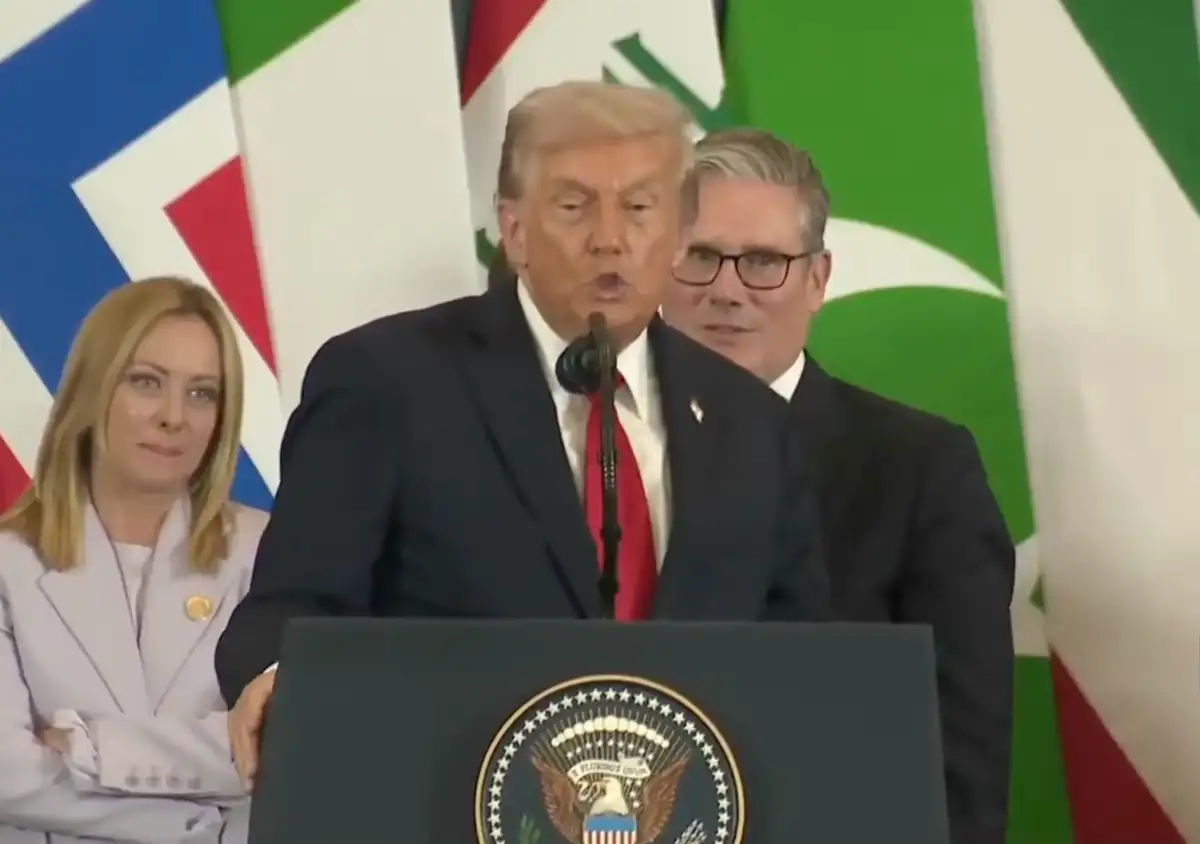
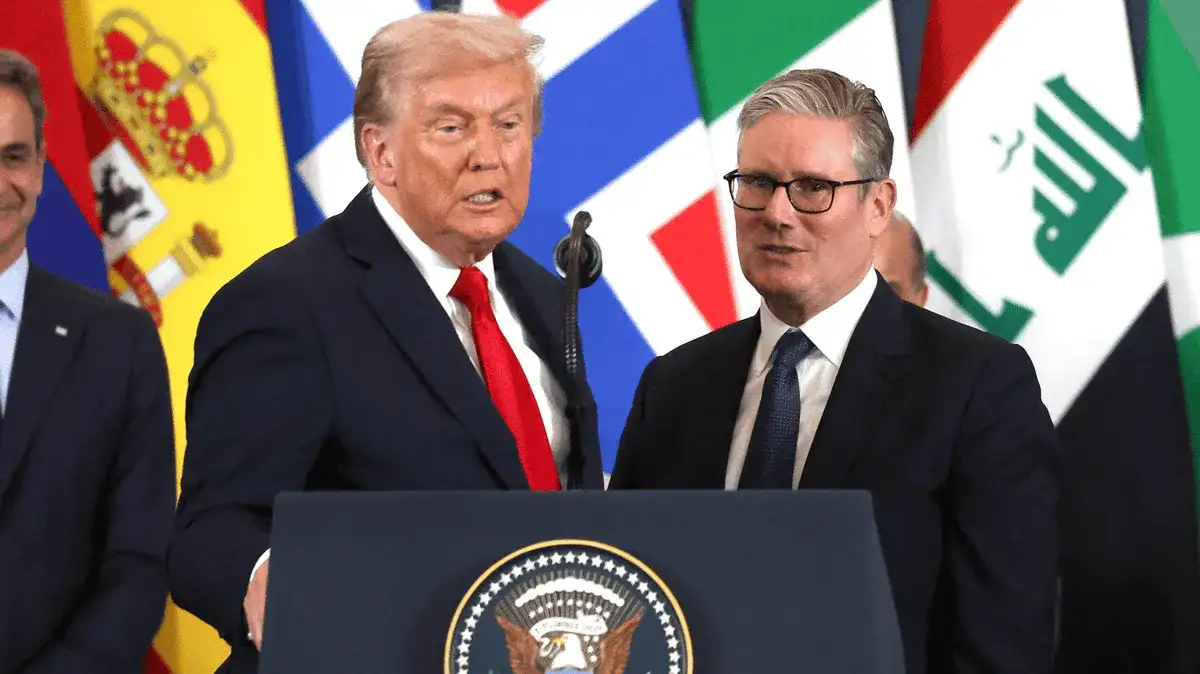
During the Sharm El-Sheikh summit, the performative humiliation reached a zenith when Starmer appeared to misinterpret a presidential gesture, assuming an invitation to the stage that did not manifest as expected.
Trump has widened the scope of these theatrics to include other heads of state, most notably mocking French President Emmanuel Macron regarding his private life, reinforcing a pattern of using domestic ridicule to assert dominance on the world stage.
The UK’s decision to boycott the President's new 'Board of Peace'—while simultaneously allowing former PM Tony Blair to attend in a private capacity—has created a fracture in the official narrative, exposing a lack of consensus between the current government and influential British political figures.
Analytical Context: The Performative State
The persistence of these "humiliation" narratives suggests a shift in the nature of executive discourse. The critique of Starmer—framed as "appeasement" by some observers and "incompetence" by others—points toward a deep discomfort within the current UK political structure.
Read More: Emmanuel Macron responds to Donald Trump personal comments about his wife during Iran war talks
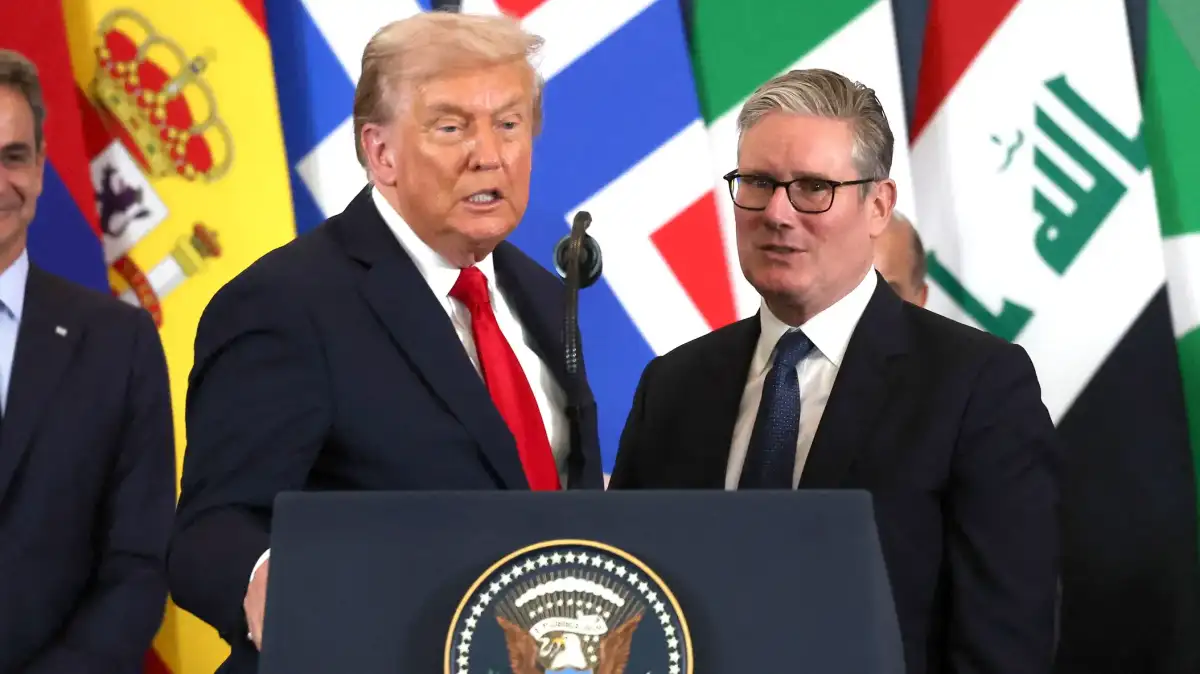
The Prime Minister’s position is defined by an attempt to balance traditional transatlantic relations against the volatile, personality-driven approach of the current US administration. By rejecting the 'Board of Peace' while facing ridicule for his military stance, Starmer is caught in a trap where the mechanics of conventional parliamentary consensus are being treated by the US executive as signs of structural weakness.
Ultimately, these moments are not mere gaffes. They represent a deliberate strategy to recalibrate the Anglo-American relationship, stripping away the formality of the "special relationship" in favor of a raw, interpersonal hierarchy. As the current administration in London seeks to navigate these pressures, the disconnect between traditional diplomacy and this emerging, hostile theater appears only to widen.